
Porsche’s Turbulent 2025: Electric Ambitions Meet Market Realities
In a year marked by economic uncertainties and shifting consumer preferences, Porsche AG reported a significant downturn in global deliveries, handing over 279,449 vehicles to customers worldwide in 2025. This figure represents a 10% decline from the 310,718 units delivered in 2024, according to the company’s official release on its newsroom site. The drop, the steepest since 2009, underscores broader challenges in the luxury automotive sector, where high-end brands grapple with weakening demand in key markets like China and the complexities of transitioning to electric mobility. Despite the overall slump, certain models and regions showed resilience, offering glimpses into Porsche’s strategic pivots amid industry-wide pressures.
The Stuttgart-based manufacturer attributed much of the decline to a sharp contraction in China, where deliveries plummeted 26% to around 42,000 units. This erosion reflects intensifying competition from local electric vehicle (EV) producers and a general luxury market downturn in the region, as noted in a report from CarNewsChina. Analysts point to brands like Li Auto and Nio gaining ground with premium EVs that undercut Porsche’s pricing while offering advanced tech features tailored to Chinese buyers. Porsche’s response includes plans to unveil an all-electric Cayenne at the Beijing Auto Show in April 2026, signaling a deeper commitment to electrification in this critical market.
Globally, the company’s performance varied by region. In Europe, deliveries held relatively steady, buoyed by strong demand for updated models, while North America emerged as a bright spot. Porsche Cars North America reported a record 76,219 vehicles delivered in the U.S. for 2025, a slight increase over the previous year, as detailed in the Porsche Newsroom USA. This resilience is credited to a loyal customer base and effective pricing strategies, including tariff mitigation efforts that helped maintain competitiveness.
Electrification Gains Amid Sales Pressures
Porsche’s push toward electrified vehicles provided a counterbalance to the overall decline. The share of electrified models—hybrids and full EVs—rose to 35.2% in the first nine months of 2025, up from previous levels, with battery-electric vehicles (BEVs) accounting for 23.1% of deliveries through September. This surge is evident in models like the Taycan and the new Macan Electric, which performed well in the third quarter, contributing to a 12.8 percentage point increase in electrified sales proportion, as outlined in Porsche’s third-quarter report on the Porsche Newsroom.
However, the transition hasn’t been without hurdles. The Taycan, Porsche’s flagship EV, faced production delays and regulatory challenges, including EU cybersecurity rules that temporarily halted some deliveries. These issues compounded the broader sales drop, with Reuters highlighting in a recent analysis that weak China demand and such regulatory snags led to the company’s worst annual performance in over a decade, per Reuters. Industry insiders note that while electrification is a long-term bet, short-term consumer hesitation around charging infrastructure and range anxiety continues to favor traditional combustion engines in some segments.
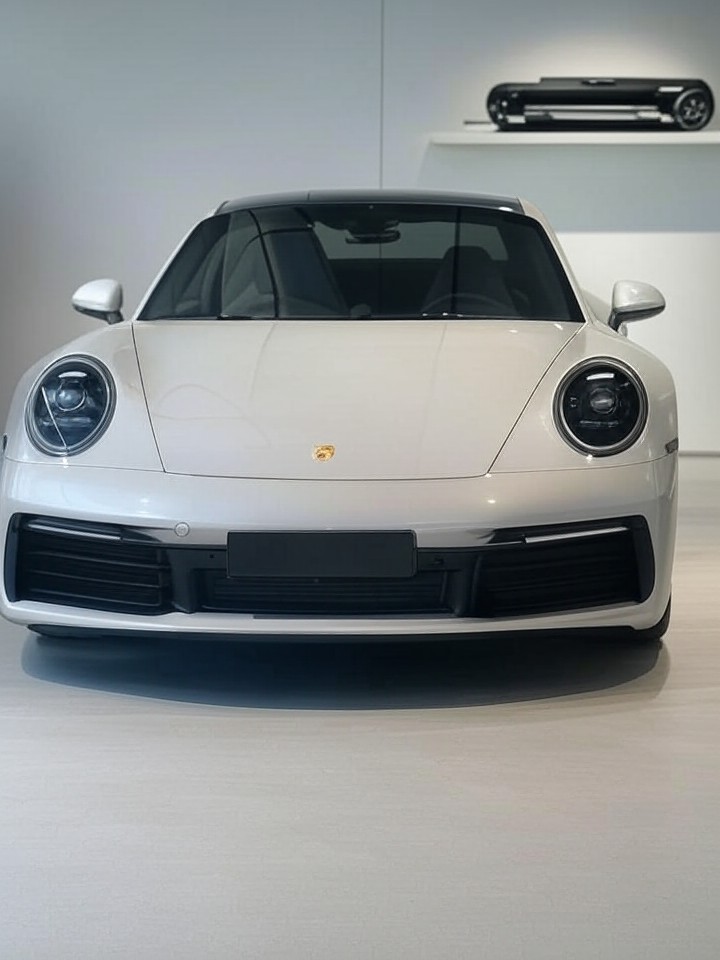
Model-specific trends reveal a mixed bag. The iconic 911 broke records, with deliveries increasing despite the overall downturn, showcasing its enduring appeal among enthusiasts. In contrast, the Macan and Cayenne lines saw declines, partly due to model transitions and competition from more affordable luxury SUVs. Just-Auto’s coverage emphasizes how China’s market contraction hit these volume drivers hardest, leading to a 10% global fall, as reported in Just-Auto.
Strategic Investments and Partnerships
To bolster its EV ambitions, Porsche made notable investments in 2025. A key move was acquiring a majority stake in V4Smart GmbH & Co. KG, a battery cell developer formerly tied to VARTA AG. Porsche now holds 76% of the voting rights, aiming to advance lithium-ion round cell production for future models. This partnership, detailed in the company’s quarterly statement available on Porsche Investor Relations, positions the brand to reduce dependency on external suppliers and enhance battery performance, crucial for competing in the high-end EV space.
Leadership changes also marked the year, with Dr. Michael Steiner taking on additional responsibilities and Dr. Jochen Breckner joining for finance and IT oversight. These shifts, as mentioned in the same quarterly document, reflect Porsche’s focus on streamlining operations amid economic headwinds. The company’s investor presentation from October further illustrates resilient North American deliveries, up 4.8% year-over-year through Q3, with the U.S. ranking as a top market in J.D. Power’s APEAL study, per Porsche Investor Relations.
Beyond batteries, Porsche emphasized its motorsports heritage to maintain brand equity. The balanced drivetrain offerings, including new variants across the lineup, helped mitigate some losses. Carscoops noted in its review that while global sales tanked, the 911’s strength and electric models’ refusal to falter highlight Porsche’s adaptive strategy, as explored in Carscoops.
Regional Dynamics and Competitive Pressures
Delving deeper into regional performances, Europe’s stability came from a refreshed product range, with four out of six model lines undergoing generational changes in 2024 that carried momentum into 2025. The Panamera, Taycan, 911, and Macan updates contributed to a 27% electrified share in 2024, rising further last year, according to historical data from Porsche Newsroom. Yet, the continent’s stringent emissions regulations pushed Porsche toward faster EV adoption, sometimes at the expense of short-term sales.
In contrast, the Asia-Pacific region, dominated by China’s woes, dragged overall figures. Il Sole 24 Ore reported that despite the 911’s record-breaking performance, total deliveries fell short of expectations, with the brand delivering fewer cars than in 2024, as per Il Sole 24 Ore. Local competition from high-end EVs intensified, prompting Porsche to explore pricing adjustments and localized production to regain footing.
North America’s success story extended to certified pre-owned (CPO) sales, which hit a quarterly record of 12,232 units in Q3, up 13% year-to-date to 35,439. Timo Resch, PCNA’s President and CEO, emphasized customer loyalty and the importance of choice during this transitional period, as quoted in the Porsche Newsroom USA. This segment’s growth underscores a secondary market that’s becoming increasingly vital for sustaining revenue amid new car slowdowns.
Future Outlook and Industry Implications
Looking ahead, Porsche’s 2025 results signal broader trends in the luxury auto sector, where electrification is no longer optional but a survival imperative. The company’s half-year presentation from July, accessible via Porsche Investor Relations, outlined strategies like balanced sales structures and product diversification to weather market volatility.
Industry observers anticipate that Porsche’s investments in EV tech, coupled with motorsports-driven innovation, could propel a rebound. However, challenges persist, including geopolitical tensions affecting supply chains and fluctuating raw material costs for batteries. The full-year delivery report, released on January 15, 2026, via Porsche Newsroom, paints a picture of a brand navigating turbulence with a mix of heritage appeal and forward-looking tech.
For insiders, these figures highlight the need for agile adaptation. Porsche’s ability to grow electrified sales amid a downturn suggests potential for leadership in premium EVs, but only if it addresses regional disparities effectively. As the industry evolves, the interplay between traditional performance icons like the 911 and emerging electric stars will define the next chapter for this storied marque.


 WebProNews is an iEntry Publication