
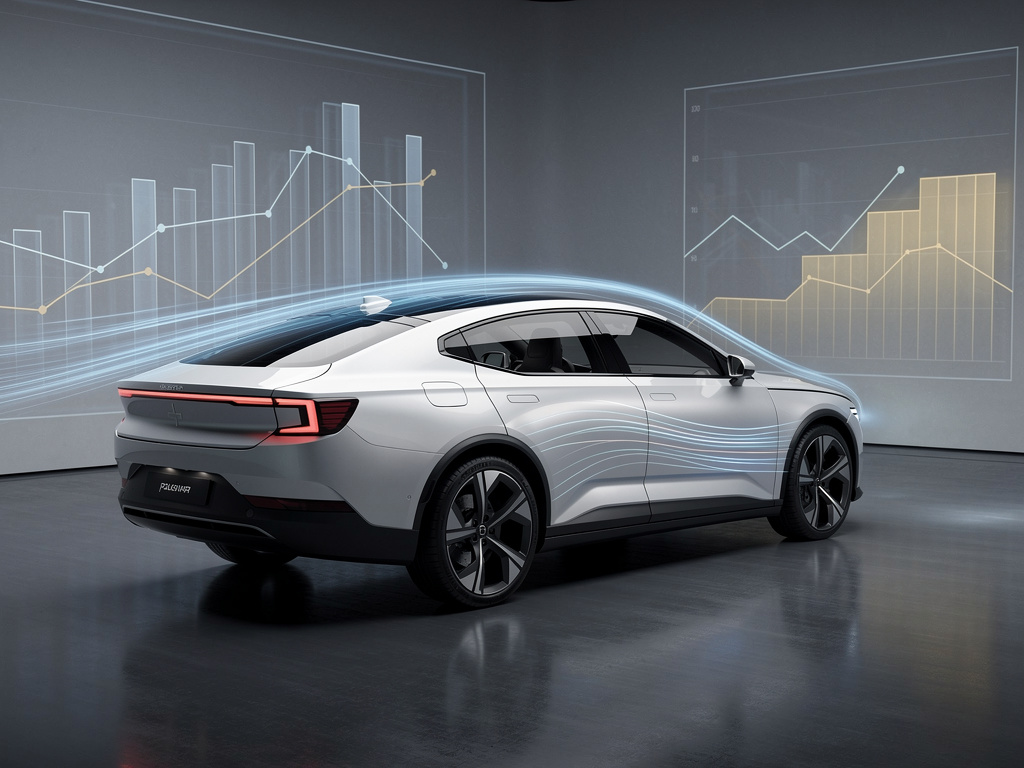
Polestar 4: Pioneering EV Quirks in a Crowded Field of Electric Contenders
In the evolving realm of electric vehicles, where innovation often clashes with practicality, the Polestar 4 emerges as a bold experiment from the Swedish automaker. Launched amid high expectations, this coupe-SUV hybrid ditches the traditional rear window in favor of a digital camera feed, a move that signals Polestar’s willingness to challenge conventions. Yet, as reviews pour in from outlets like Digital Trends, the vehicle is critiqued for not pushing boundaries far enough, blending audacious design with familiar EV tropes that leave some insiders wanting more. This deep dive explores the Polestar 4’s strengths, shortcomings, and its place in a competitive market increasingly defined by economic pressures and shifting consumer demands.
Polestar, a spinoff from Volvo now under Geely’s umbrella, positions the 4 as its fourth model, slotting it between the compact Polestar 2 and the larger Polestar 3 in terms of size and pricing. Priced starting around $60,000 in the U.S., it targets premium buyers seeking a blend of performance and sustainability. The absence of a rear window isn’t just a gimmick; it’s replaced by a high-definition camera system that streams to a digital rearview mirror, ostensibly improving aerodynamics and reducing drag for better efficiency. Early tests, including those from Top Gear, praise this setup for its clarity, noting how it eliminates blind spots caused by traditional glass.
However, the innovation comes with trade-offs. Drivers accustomed to glancing over their shoulder might find the digital alternative disorienting, especially in low-light conditions where camera quality can falter. Industry analysts point out that while this feature sets the Polestar 4 apart, it echoes similar experiments in vehicles like the Honda e, raising questions about whether it’s a true game-changer or merely a novelty. As EV adoption matures, such quirks must deliver tangible benefits to justify their inclusion, particularly when rivals like Tesla’s Model Y offer more straightforward visibility solutions without compromising on range or tech.
Design Gambles and Aerodynamic Edges
Delving deeper into the Polestar 4’s aesthetics, its sleek, fastback silhouette borrows from coupe-SUV trends popularized by models like the BMW X6, but with an electric twist. The vehicle’s minimalist Scandinavian design, characterized by clean lines and sustainable materials like recycled PET bottles in the upholstery, aligns with Polestar’s eco-conscious ethos. Reviews from What Car? highlight the spacious interior, which benefits from the lack of a rear window by allowing for a panoramic glass roof that extends uninterrupted, creating an airy cabin feel.
Performance-wise, the Polestar 4 offers single- and dual-motor variants, with the top-spec dual-motor version delivering 544 horsepower and a 0-60 mph sprint in under four seconds. This power is underpinned by a 100 kWh battery, promising up to 300 miles of range on the EPA cycle, though real-world figures can dip in colder climates. Road & Track notes software updates for the 2026 model year that refine handling, making it more composed on twisty roads, thanks to tweaks in suspension and torque distribution.
Yet, for all its dynamism, the Polestar 4 doesn’t fully escape the pitfalls common to many EVs. Its weight—over 5,000 pounds—can make it feel ponderous in urban settings, and the reliance on a massive central touchscreen for most controls draws criticism for distracting drivers. Insiders familiar with automotive UX design argue that while Polestar’s Android-based infotainment is intuitive, it lags behind competitors in voice command responsiveness, a point echoed in feedback from platforms like X, where users praise the car’s tech-forward cabin but lament minor glitches in over-the-air updates.
Market Pressures and Financial Realities
Shifting focus to the broader industry context, Polestar faces headwinds that amplify the scrutiny on models like the 4. Recent financial maneuvers, including securing a $300 million lifeline as reported by CBT News, underscore the company’s struggles with mounting losses amid slowing EV sales growth. This funding, coupled with debt-to-equity conversions, buys time but highlights vulnerabilities in a sector where giants like Tesla and legacy players like Ford dominate.
Analysts note that global EV trends, including policy rollbacks under potential U.S. administrations, could further complicate Polestar’s path. Insights from automotive expert Lauren Fix in a CBT News interview suggest that consumer hesitation stems from charging infrastructure gaps and high upfront costs, factors that the Polestar 4 must overcome with its premium positioning. In Europe and Asia, where Polestar has stronger footholds, the vehicle competes against affordable Chinese EVs, pressuring margins.
Social sentiment on X reflects a mix of enthusiasm and skepticism. Posts from influencers and enthusiasts laud the Polestar 4’s track-ready handling, with one user highlighting its Brembo brakes and active dampers as converting even petrolheads to the EV cause. However, others question its value proposition, especially when compared to the upcoming Polestar 5, which boasts 884 horsepower and faster charging, as detailed in announcements from sources like TESLARATI on the platform.
Technological Innovations and User Experience
On the tech front, the Polestar 4 integrates advanced features like a 15.4-inch central display and optional Harman Kardon audio, but it’s the rear camera system that garners the most discussion. RAC Drive describes it as a “radical shift” that enhances rear passenger space by eliminating the need for a bulky window mechanism, allowing for reclining seats and ample legroom. This design choice also contributes to a drag coefficient of 0.26, aiding efficiency in an era where every mile of range counts.
Driving impressions from Chasing Cars emphasize the vehicle’s benchmark-challenging interior quality, with soft-touch materials and ambient lighting creating a lounge-like atmosphere. For industry insiders, this points to Polestar’s strategy of prioritizing user-centric design over raw specs, a departure from volume-focused rivals. Yet, the lack of physical buttons for climate controls remains a sore point, as haptic feedback on screens can feel imprecise during high-speed maneuvers.
Comparisons inevitably arise with Tesla’s offerings, where the Model Y’s Full Self-Driving beta provides a more autonomous experience. Polestar counters with its own pilot assist features, but without the same ecosystem integration, it risks alienating tech-savvy buyers. Recent X posts underscore this, with users debating whether the Polestar 4’s sustainable credentials—such as its lower carbon footprint in production—outweigh Tesla’s software edge.
Competitive Positioning and Future Trajectories
As Polestar expands its lineup, the 4’s role becomes clearer: it’s a bridge model aimed at affluent urbanites who value style over outright utility. Carwow rates it highly for practicality, noting cargo space that rivals larger SUVs despite the coupe profile. In markets like the U.S., where EV incentives fluctuate, this positioning could either propel sales or expose weaknesses if gas prices stabilize.
Financially, Polestar’s challenges mirror those of other EV startups. The $300 million infusion, as covered by CBT News, provides breathing room to ramp up production in China and South Carolina, potentially lowering costs. Insiders speculate that partnerships, perhaps with Geely’s vast resources, could accelerate innovations like solid-state batteries for future iterations.
Looking ahead, the Polestar 4’s reception will influence the brand’s trajectory. Positive reviews from EV Powered commend its polished performance, though they flag tech “silliness” like over-reliance on screens. On X, recent chatter around the 2026 updates—smoother ride and refined software—suggests Polestar is responsive to feedback, a key trait in a fast-moving field.
Sustainability Focus and Broader Implications
Sustainability remains a cornerstone, with the Polestar 4 incorporating traceable materials and aiming for net-zero emissions by 2030. BIKMAN TECH explores how this aligns with global shifts toward greener manufacturing, potentially giving Polestar an edge in eco-aware markets like Scandinavia.
For executives tracking industry trends, the vehicle’s mixed reviews highlight a broader tension: balancing radical design with mass appeal. While the no-rear-window approach dares to differ, as Digital Trends argues, it may not suffice in a market demanding holistic advancements in autonomy and affordability.
Ultimately, the Polestar 4 embodies the EV sector’s maturation, where daring features must coexist with reliability. As adoption slows, per insights from Lauren Fix, success hinges on addressing pain points like range anxiety and pricing. For Polestar, refining this model could solidify its niche, turning quirks into hallmarks of a resilient brand.


 WebProNews is an iEntry Publication