
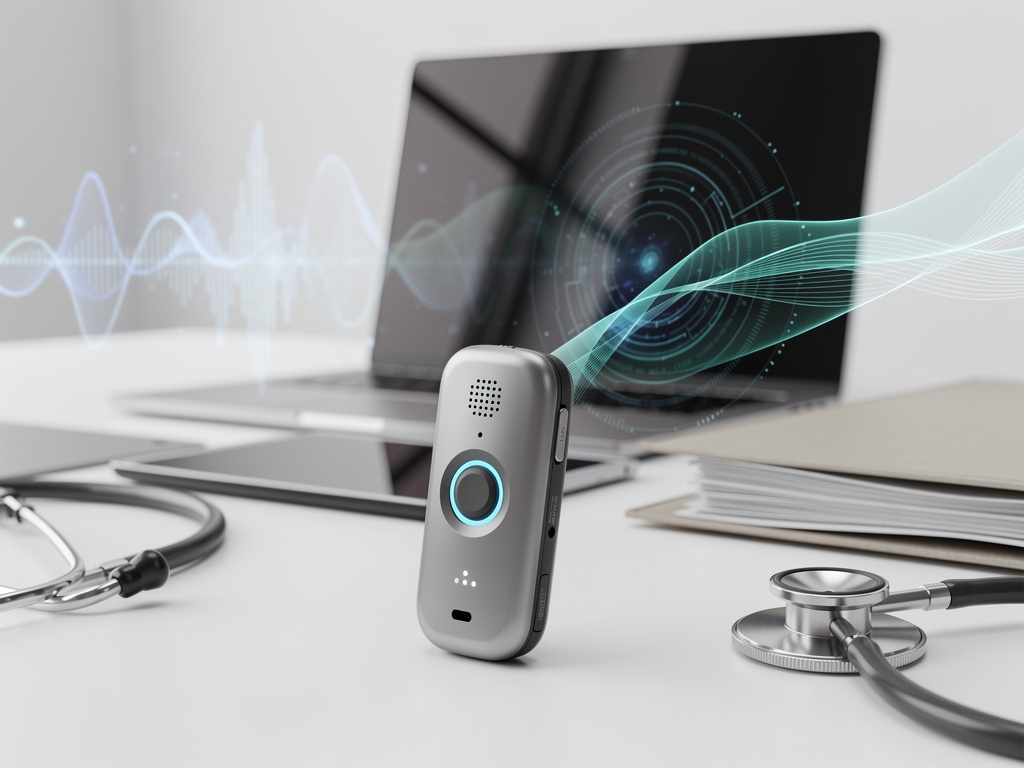
In the fast-evolving world of artificial intelligence hardware, Plaud AI has quietly carved out a niche as a leader in note-taking devices, blending sleek design with powerful transcription capabilities. The company’s latest offering, the NotePin S, represents a subtle yet significant evolution in wearable AI tech, introducing a physical button that allows users to flag key moments during recordings. This innovation addresses a common pain point in AI-assisted conversations: the need to highlight critical information in real time without disrupting the flow. Announced amid the buzz of CES 2026, the device builds on Plaud’s track record of delivering practical tools for professionals like doctors, lawyers, and salespeople who rely on accurate, summarized records of their interactions.
At its core, the NotePin S maintains the pill-shaped form factor of its predecessor, weighing just 0.6 ounces and featuring dual microphones with a recording range of up to 9.8 feet. Priced at $179, it’s available in multiple wearing options, including as a pin, lanyard, wristband, or clip, making it versatile for various professional settings. The standout feature, however, is the recessed button that replaces the original squeeze-to-record mechanism. A long press initiates recording, while short presses during a session mark “highlights” – essentially training the AI to prioritize certain segments in its summaries and transcriptions. This human-AI interaction aims to make the device more intuitive, as noted in an in-depth review by Engadget, which highlights how this addition refines the user experience without overcomplicating the hardware.
Plaud’s journey to this point has been marked by impressive growth. Founded as a bootstrapped venture, the company has sold over 1 million units worldwide, generating an estimated $250 million in annualized revenue, according to posts from industry observers on X. This success stems from its focus on niche applications rather than broad consumer appeal, differentiating it from flashier AI wearables like those from Humane or Rabbit. The NotePin S isn’t trying to be a smartphone replacement; instead, it’s a specialized tool for capturing and distilling conversations, powered by advanced language models that transcribe and summarize in real time.
Evolution of AI Wearables at Plaud
The introduction of the highlight button in the NotePin S is more than a minor tweak—it’s a response to user feedback emphasizing the need for better control over AI outputs. Early adopters of Plaud’s devices, such as the original NotePin launched in 2024, praised the seamless integration with apps for transcription but often wished for ways to emphasize pivotal moments without post-recording edits. By incorporating this feature, Plaud is enhancing what it calls “Human-AI alignment,” allowing the device to learn from user inputs and produce more relevant summaries. As detailed in a recent article by ZDNET, this upgrade positions the NotePin S as a compelling alternative to software-based solutions like Otter.ai, which rely on cloud processing but lack the tactile immediacy of a wearable.
Beyond hardware, Plaud has expanded its ecosystem with complementary software. At CES 2026, the company unveiled Plaud Desktop, a free app for PC and Mac that brings its AI transcription tools to virtual meetings. This move targets remote workers who juggle online calls, offering features like automatic summarization and integration with platforms such as Google Meet. According to coverage from T3, the desktop version leverages the same AI backbone as the wearables, potentially disrupting established players in the productivity software space by providing a unified experience across devices.
Industry insiders point to Plaud’s profitability as a key strength. Unlike venture-backed startups that burn through cash chasing hype, Plaud has achieved self-sustained growth by focusing on high-margin, professional-grade products. Social media sentiment on X reflects this, with users in fields like sales and healthcare sharing stories of how the devices have streamlined their workflows, reducing the time spent on manual note-taking by up to 70%. One viral post from a tech analyst highlighted Plaud’s sales figures, underscoring its dominance in a market where many AI hardware ventures have faltered.
Market Positioning and Competitive Edges
Plaud’s strategy contrasts sharply with competitors. While companies like Otter.ai dominate in app-based transcription, they often require users to actively manage recordings via smartphones, which can be cumbersome in dynamic environments. The NotePin S, with its button for instant highlighting, offers a hands-free advantage, as explored in a hands-on piece by CNET. This is particularly appealing for scenarios like lectures or client meetings, where discreet operation is crucial—though users must navigate privacy laws, as the device records audio without overt indicators.
The company’s global user base, exceeding 1.5 million according to its own website, includes a diverse array of professionals who value reliability over gimmicks. Reviews from sources like TechCrunch note that Plaud Desktop’s launch complements the wearable by handling bulkier tasks, such as transcribing hour-long webinars, freeing the NotePin S for on-the-go use. This dual approach could erode market share from incumbents, especially as AI transcription accuracy improves with models like GPT-4, which Plaud integrates for features such as mind maps and live summaries.
Critics, however, question whether such hardware is necessary when smartphone apps can perform similar functions. A 2024 review on X of an earlier Plaud device echoed this sentiment, asking if it couldn’t “just be an app.” Plaud counters by emphasizing the wearable’s offline capabilities and extended battery life—up to 20 hours of recording—making it ideal for situations where phone access is limited. Moreover, the physical button introduces a layer of intentionality that digital interfaces often lack, potentially reducing errors in AI interpretations.
Technological Underpinnings and User Adoption
Delving deeper into the tech, the NotePin S employs edge computing to process initial audio capture, with cloud syncing for advanced AI analysis. This hybrid model ensures low latency, a boon for real-time highlighting. As reported in Tom’s Guide, the device’s AI can distinguish speakers in multi-person conversations, attributing quotes accurately and generating actionable insights like task lists or key takeaways.
User adoption has been robust, particularly among knowledge workers. Posts on X from doctors describe using it to capture patient consultations without diverting attention, while lawyers appreciate the tamper-evident recordings for legal compliance. Plaud’s marketing, as seen on its official X account, positions the NotePin S as a “memory capsule,” capturing not just words but the essence of interactions. This narrative resonates in an era where information overload is rampant, with professionals seeking tools that augment rather than replace human cognition.
Looking ahead, Plaud’s innovations could influence broader AI hardware trends. By prioritizing subtle enhancements like the highlight button, the company avoids the pitfalls of overambitious designs that plagued devices like the Humane AI Pin. Industry analysts on X speculate that Plaud’s profitability model—focusing on recurring subscriptions for premium AI features—could sustain long-term growth, potentially leading to expansions into enterprise solutions.
Future Implications for Productivity Tools
The NotePin S also raises ethical considerations, such as consent in recordings. Plaud includes features like audible start tones, but users must remain vigilant about varying international regulations. A piece from NewsNowChicago emphasizes how the device’s discreet nature makes it a “secret weapon” for journalists and executives, but this same quality demands responsible use to avoid privacy breaches.
In terms of market impact, Plaud’s CES announcements signal a maturing segment where AI wearables transition from novelties to essentials. Competitors are taking note; for instance, integrations with tools like Gemini on Google Meet, as mentioned in various reviews, suggest a convergence of hardware and software. Plaud’s edge lies in its user-centric refinements, like the button that empowers wearers to guide AI without needing technical expertise.
As Plaud continues to iterate, the NotePin S exemplifies how incremental innovations can drive substantial value. For industry insiders, this device isn’t just another gadget—it’s a harbinger of how AI will integrate more seamlessly into daily professional life, blending hardware intuition with software intelligence to redefine productivity. With strong sales momentum and positive buzz, Plaud is poised to maintain its lead in this specialized arena, potentially inspiring a new wave of focused AI tools that prioritize utility over spectacle.


 WebProNews is an iEntry Publication