
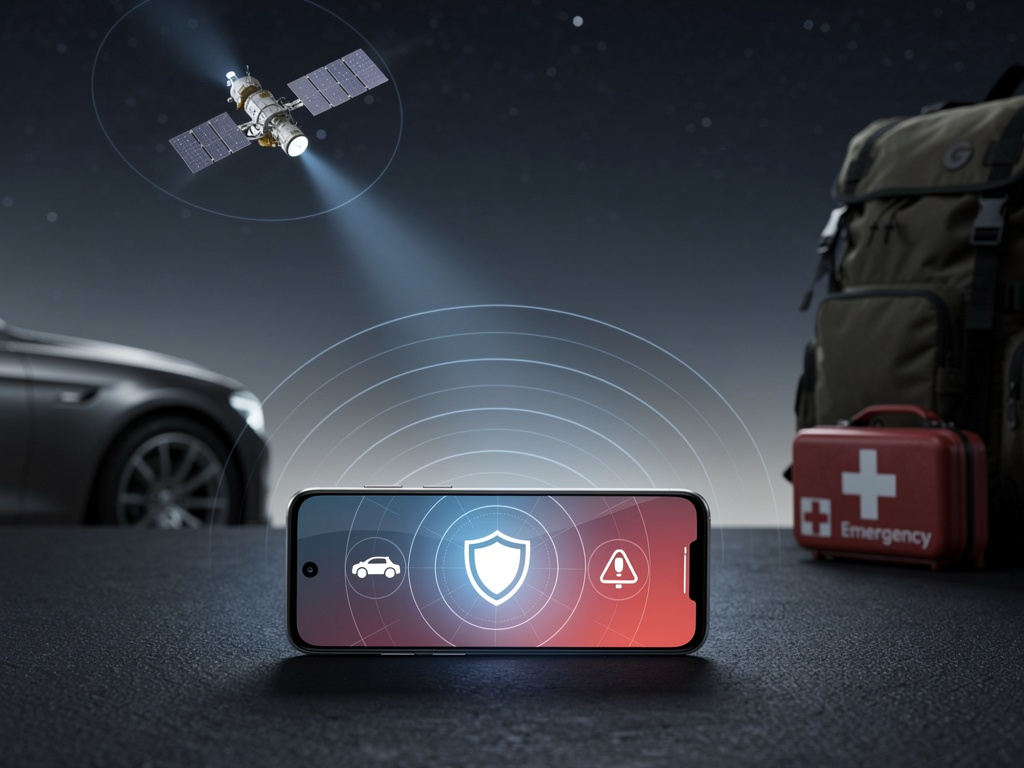
Google Pixel owners carry more than a phone. They hold a device packed with tools designed to summon help when every second counts. Yet one stands out for its ability to pierce dead zones where cell towers vanish. Few bother to test it.
Satellite SOS turns a smartphone into a direct line to rescuers from remote trails or storm-ravaged roads. The feature, introduced on the Pixel 9 series and expanded across the Pixel 10 lineup, connects handsets to geostationary satellites. Messages travel from the device upward, then down through ground stations to emergency dispatchers. No cellular signal required. No Wi-Fi either.
Brady Snyder at MakeUseOf put it plainly. “No safety feature is more important on Google Pixel phones than Satellite SOS.” He urges immediate practice. Real emergencies leave no room for a learning curve.
The setup looks simple on paper. Open Settings. Tap Safety & emergency. Select Satellite SOS. A demo button sits ready. Follow the prompts and the phone walks users through pointing at the sky, composing short texts — limited to 168 characters — and watching simulated replies arrive. Mobile service drops out during the test. It returns once finished. Google Messages must remain the default app or the option disappears.
Official documentation from Google confirms the details. Users dial emergency services first. When the network fails, Satellite SOS appears as an alternative. A questionnaire gathers critical facts. On-screen arrows guide the phone’s orientation toward the satellite overhead. Connection times vary. Clear skies help. Trees, buildings, or terrain can block the signal. Google’s support page stresses the feature exists for exceptional circumstances only.
But Satellite SOS doesn’t operate alone. The Personal Safety app ties together an array of protections. Safety Check lets users set a timer before a solo hike or late-night drive. Miss the check-in and chosen contacts receive the phone’s live location. Car Crash Detection listens for the sickening sounds of impact and sudden stops. Sensors measure deceleration. Microphones capture audio. No response after an alarm triggers an automatic call for help.
Jason Howell detailed ten such tools in a ZDNet article last June. Emergency SOS activates with five rapid power button presses. It sounds an alarm, dials emergency services, shares location, and records video. Medical information appears on the lock screen for first responders. Live location sharing streams through Google Maps. Even Crisis Alerts warn of nearby disasters.
Car Crash Detection has saved lives since its debut on earlier Pixels. A BuyMobiles report from early May explains the process. The phone vibrates and sounds an alert after detecting a collision. Users can cancel. Silence leads to a countdown and then contact with responders. A demo mode shows the sequence without placing real calls. Permissions for location, microphone, and activity data must stay enabled.
Recent coverage shows the safety net continues to widen. A March PhoneArena story highlighted maps now embedded in Wireless Emergency Alerts. Tornado warnings or AMBER alerts display affected areas directly in the notification. No extra app needed. The update arrived through Google Play Services.
Pixel Watches add layers too. Fall Detection, Loss of Pulse alerts, and Earthquake Warnings — the latter pulling data from USGS ShakeAlert — extend protection to the wrist. These features sync with the phone’s Personal Safety app. One system. Multiple entry points.
Still, many owners remain unaware. The demo for Satellite SOS takes minutes. It builds familiarity so muscle memory kicks in under stress. Point. Wait. Send essential details. Stay in view of the sky for replies. Simple steps. High stakes.
Google warns against casual testing in real mode. Unnecessary activations pull resources from genuine calls. The demo avoids that risk entirely. It simulates everything, including the brief loss of cellular connection.
And the list grows with each software update. Seven years of support for recent Pixels means these tools receive refinements long after purchase. New countries gain Satellite SOS coverage. Crash Detection expands to additional markets. The core promise stays constant. Your device can act when you cannot.
Users who explore the Safety & emergency section discover more than expected. Emergency contacts. Medical notes. Quick access to location sharing. Each piece fits into a coordinated response. But knowledge only helps if activated beforehand.
So open the Settings app today. Run the Satellite SOS demo. Enable Car Crash Detection. Set up a Safety Check for your next uncertain outing. The technology sits ready. Preparation turns potential tragedy into managed risk. Few features repay the small effort with greater return.


 WebProNews is an iEntry Publication