
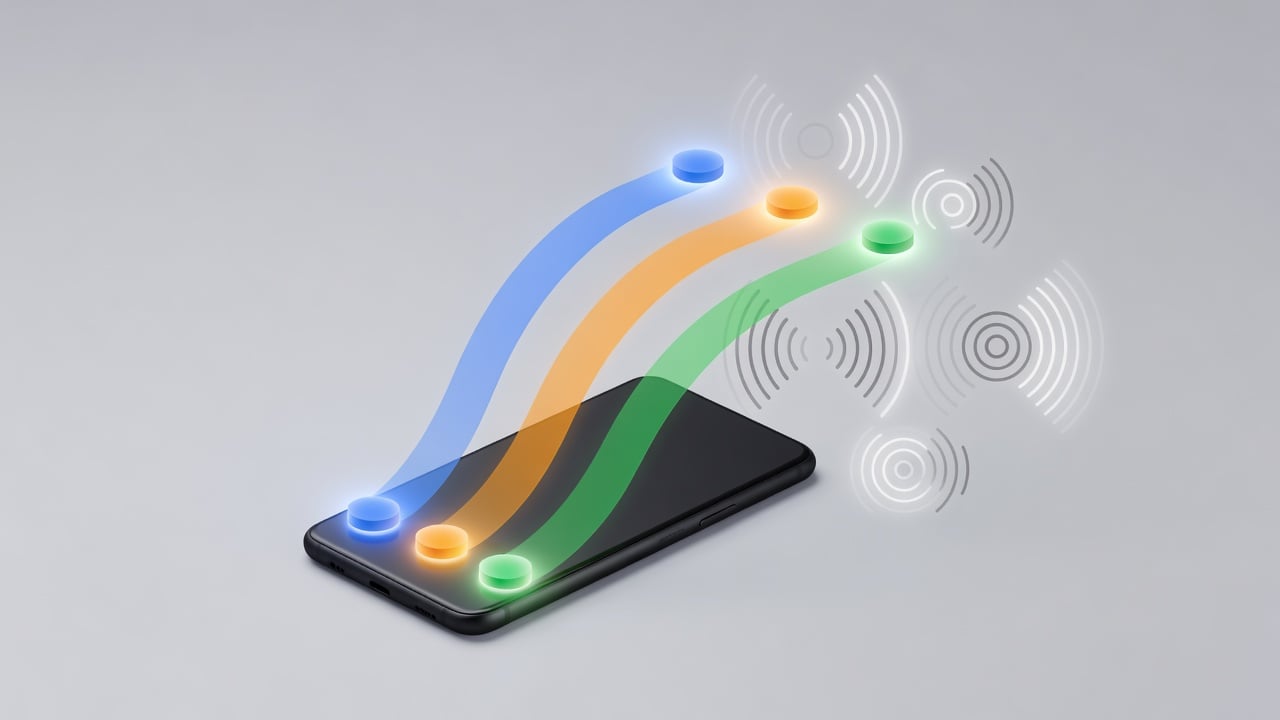
Google continues to refine how users interact with sound on its Pixel phones. A new unreleased build of the Sounds app reveals volume sliders placed directly inside the ringtone, alarm and notification pickers. The change promises to eliminate the familiar dance of previewing a tone then retreating to the main settings screen to tweak its level.
Android Authority first reported the discovery today after examining firmware destined for the Pixel 11. The sliders activate without extra effort. Preview a chime and drag the control. Volume updates instantly. Simple. Effective.
But the story runs deeper. Fresh strings in the same code point to an expanded vibration menu that has lingered in development since early last year. One string reads “tab_vibrations” while another describes a collection that lets your Pixel “come to life” through familiar patterns and new personal vibrations. The feature appeared in an earlier teardown yet has not reached public devices. Its reappearance signals persistence.
Current Pixel sound selection works in stages. Open Settings. Choose a category. Listen. Exit. Adjust media, call or alarm volume separately. The upcoming interface collapses those steps. One screen. One flow. Users stay focused on the tone itself rather than the surrounding controls.
And the timing matters. Pixel 11 firmware carries this build. Hardware launch remains months away. Software often ships earlier. Expect the change to surface in a future feature drop or monthly patch. Google rarely comments on unreleased code so confirmation will arrive only when the update hits.
Volume sliders alone solve a daily annoyance. Many owners set custom sounds only to discover they sit too loud or too soft during actual use. In-app adjustment removes that guesswork. The preview plays at the exact level the device will use later. No surprises.
Yet the vibration strings intrigue more. Android Authority uncovered a prototype last January. Version 3.2 of the app introduced separate tabs for sounds and vibrations. Twelve patterns awaited ringtones. Eleven served notifications. Options ranged from “Drumbeat” and “Heartbeat” to “Rattlesnake” and “Rapid fire.” A tipster named Nail Sadykov supplied the APK. Testing confirmed the selector worked yet the release never followed.
Now those concepts resurface alongside volume tools. The vibration collection description hints at something more expressive than basic on-off pulses. “Feel your Pixel come to life” suggests curated sequences that match specific tones or even allow light customization. Whether Google ships the full set or trims it back remains unclear. Past patterns show the company tests ambitious ideas then scales them to match hardware consistency across the lineup.
Pixel devices already deliver strong haptics. The Tensor chip powers nuanced motor control. Earlier models offered basic vibration intensity. Newer ones layer patterns that feel distinct. Adding a dedicated gallery would place Pixel alongside devices from Samsung and Apple that let users pair audio with precise tactile feedback.
Industry observers note the slow rollout. The January prototype stayed internal. Today’s strings could follow the same path. Or they could indicate renewed priority as Google prepares the Pixel 11 experience. Firmware leaks frequently expose work in progress. Not every element survives to launch. Still the volume sliders already function. Their inclusion feels certain.
Integration with existing systems looks straightforward. The Sounds app already powers ringtone and alarm selection. Alarms receive dedicated volume handling on Pixels. Notifications tie into the broader stream. Placing sliders inside each picker unifies the experience. One less setting to hunt.
Recent coverage reinforces the momentum. No major publications have addressed today’s specific finding yet the vibration story from Android Authority in January generated discussion among customization enthusiasts. Forums lit up with requests for more tactile options. Users wanted patterns that complemented their chosen sounds rather than competed with them.
Google’s broader audio strategy plays in here. The company invests heavily in spatial audio, adaptive sound and on-device processing. Pixel Buds receive frequent updates. The phone side evolves more quietly. Features like these sliders and potential vibration packs represent the everyday polish that keeps loyal owners satisfied between tentpole releases.
Of course challenges exist. Different Pixel models carry slightly different haptic motors. A pattern that feels sharp on the Pixel 9 Pro might land softer on the base Pixel 11a. Google must calibrate across the board. Volume sliders introduce fewer variables. They read the current system level and apply it to the preview. Clean implementation.
Developers behind the teardown highlighted another detail. The build came embedded in Pixel 11 firmware. That points to deeper system integration. The Sounds app is not a standalone Play Store download for most users. It ships as a system component. Updates arrive through Google Play services or full OS patches. Wider availability could follow quickly once testing completes.
So what should Pixel owners expect next? The volume sliders will likely appear first. They solve an immediate pain point and require little additional design work. The vibration collection might debut alongside them or arrive later as a refined feature drop. Watch for beta releases in the coming months. Android 16 betas already circulate. Sound enhancements often ride those waves.
The discovery also underscores the value of APK analysis. Reporters and enthusiasts who dig through code surface changes long before official announcements. Today’s report from Android Authority follows that tradition. It gives the community time to speculate and Google time to refine based on feedback.
Customization sits at the heart of Android. Ring tones. Notification sounds. Vibration rhythms. These small choices turn a mass-produced device into a personal object. Google has lagged competitors in some areas of sound personalization. Features like these help close the gap. They show attention to detail that frequent users notice and appreciate.
Future updates could expand further. Imagine sliders that adjust not just overall volume but bass emphasis or fade timing. Or vibration patterns that users build themselves through a simple editor. The current strings stop short of those promises. They focus on selection and preview. Yet the foundation supports growth.
For now the message is clear. Google listens to feedback about sound management. It acts on it. The volume sliders represent a quiet but meaningful step toward smoother daily use. When the update lands many will wonder how they managed without it. And those waiting for richer haptics now have fresh reason to stay hopeful.
One final observation. The same firmware that holds these audio tweaks also carries countless other changes. Pixel 11 expectations run high. Camera improvements. Performance gains. Battery life. Yet sometimes the smallest adjustments deliver the biggest satisfaction. A slider in the right place at the right time can transform routine tasks. Google seems poised to deliver exactly that.


 WebProNews is an iEntry Publication