
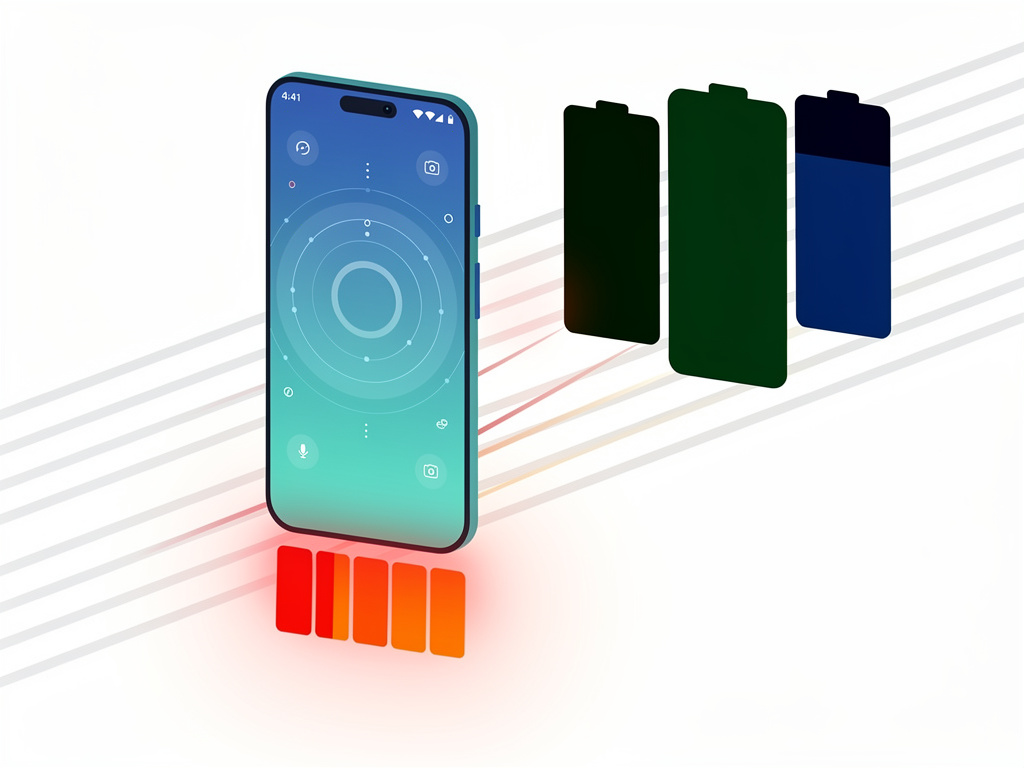
Google’s Pixel phones have made undeniable strides. Cameras capture more detail. Software feels snappier. Artificial intelligence features arrive faster than rivals can copy them. Yet one complaint echoes across forums, review sites and social media with stubborn regularity. Battery life.
Users report phones that heat up while sitting idle. Overnight drains that surprise them in the morning. Days when moderate use forces an early charger visit. The pattern repeats with each new model. And each major update.
Android Police examined this tension in a piece published May 25, 2026. Pixels keep advancing. Battery gripes follow anyway. The article traces the issue back to the Pixel 6 series. Overheating. Standby drain. Poor efficiency on mobile data. Especially after certain patches.
Similar stories hit the Pixel 7 and 8. Inconsistent endurance. Heat during ordinary tasks. Noticeable drops while the screen stayed off. Then came the Pixel 9 and 10. Expectations rose with larger cells and a shift to TSMC’s 3-nanometer process for the Tensor G5. Results proved mixed at best.
But the latest wave hit hardest. The March 2026 and April 2026 updates triggered fresh frustration. 9to5Google reported on April 21, 2026 that hundreds of users flooded Google’s Issue Tracker. Nearly 600 comments piled up in under 10 days. Symptoms pointed to excessive CPU wakeups. The phone kept working in the background. Even with the screen off. Even in airplane mode. Battery life halved for some. Others saw it drop to just a few hours of screen time.
Google acknowledged the reports on April 14. It asked for more data while investigating. A May 2026 update arrived. It fixed other bugs but left many idle drain complaints untouched. Android Authority ran the numbers in December 2025. Battery capacity grew from 4,600 mAh in the Pixel 6 to 5,200 mAh in the Pixel 10 Pro XL. That jump should have delivered clear gains. Daily charging remained the norm for reviewer Ryan Haines after months of use.
The Tensor chips sit at the center of this story. Early versions ran hot. They throttled under load. The modem in the Pixel 6 drew particular blame. Later iterations brought modest thermal gains. The Tensor G5 on TSMC’s process delivered better CPU numbers. GPU performance and heat management still trailed expectations. Stress tests showed the Pixel 10 running warmer than the Pixel 9. Throttling followed.
Hardware choices compound the problem. Google stays conservative on battery size compared with Chinese brands. Those competitors pack silicon-carbon cells reaching 6,000 to 7,300 mAh. They support 90-watt or 120-watt wired charging. Pixels top out near 30 watts in many cases. The gap shows in real-world endurance. OnePlus models stretch to two days between charges. Many Pixels demand attention by evening.
Software adds another layer. Monthly security patches arrive first on Pixels. They also surface bugs first. AI features demand background processing. Gemini models run on-device. Adaptive charging and other optimizations sometimes falter after updates. The April 2026 patch illustrated the risk. What began as a routine release snowballed into widespread reports of rapid drain and warmth.
PCMag noted in April 2026 that thousands had flagged the issue on Google’s Issue Tracker and support forums. The problem lingered past the April release. It affected devices from the Pixel 6a through the Pixel 10 series. Not every unit suffered. Enough did to create noise. Users described phones losing 25 percent overnight despite strict battery saver modes.
Google has improved plenty elsewhere. Seven years of updates. Brighter Super Actua displays. Advanced computational photography. Satellite connectivity on newer models. These wins matter. They also raise the bar. When battery falls short of the rest of the package, it stands out more.
Some owners tweak settings to cope. Limiting always-on display. Restricting background activity for certain apps. Turning off high-refresh rates when not needed. These steps help individuals. They do not erase the systemic sense that Google has yet to master this aspect of the hardware-software marriage.
Industry watchers point to the company’s priorities. Pixel teams emphasize camera magic and clean Android. Tensor development focuses on AI acceleration over raw efficiency. The result feels like a phone built for enthusiasts who value photography and timely features. Battery life becomes the trade-off many accept. Until they don’t.
Recent months brought no full resolution. A Forbes report on April 26, 2026 described the situation as “Draingate.” It urged users to change specific settings while Google prepared a fix. Idle drain continued for some even after subsequent patches. The May 2026 update addressed charging quirks and camera glitches. Background CPU behavior proved harder to pin down.
So the cycle continues. New Pixels launch to praise for their software polish and imaging prowess. Early reviews note solid if unspectacular battery performance. Real-world months pass. Updates roll out. A subset of users watch their screen-on time shrink. Forums light up. Google investigates. The cycle repeats.
Competitors have shown another path. Adopt silicon-carbon technology. Accept slightly thicker designs or minor redesigns. Deliver noticeably longer runtime without sacrificing other strengths. Google could follow. Its current direction suggests it prefers incremental Tensor gains and software smarts. That strategy produced strong cameras and reliable updates. It has not yet conquered battery anxiety.
Owners who love their Pixels often cite the overall experience. Clean interface. Helpful AI. Regular improvements. Many carry a charger anyway. Or lower expectations. The complaints persist because the gap between what Pixels promise and what their batteries deliver remains visible. Google has fixed harder problems before. This one lingers. And users keep noticing.


 WebProNews is an iEntry Publication