
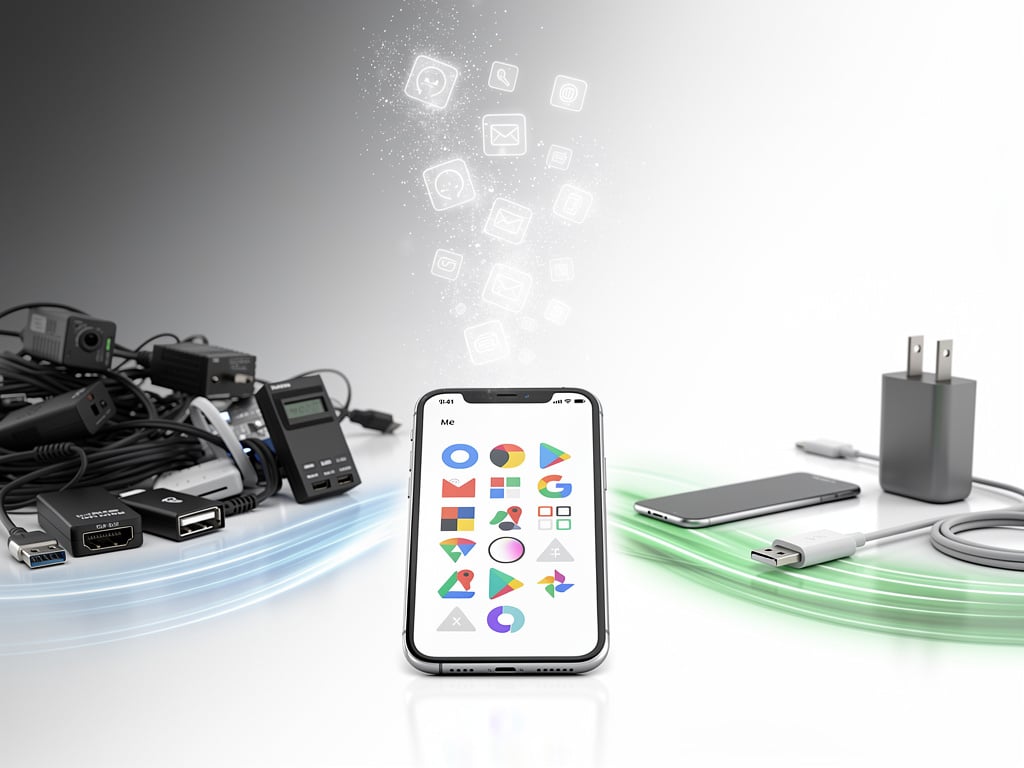
Smartphone buyers have grumbled about it for years. Unbox a new Android device and dozens of apps greet you. Some come from the carrier. Others bear the manufacturer’s name. Many sit unused yet consume storage, battery and background cycles. Now signs point to change. Manufacturers edge toward optional software. One recent tool shows the shift was long overdue.
Preinstalled software weighs down devices and frustrates owners
Critics call it bloatware. The term covers everything from duplicate galleries and weather widgets to shopping portals and games. Android Authority captured the irritation in December 2024. Its writer, fresh from a clean Pixel experience, fired up an OPPO Find X8 Pro. “Holy crab, that’s a ton of bloatware,” he wrote. ColorOS pushed folders packed with third-party apps. Hot Apps suggested downloads automatically. The poll attached to the piece told the story. Sixty-seven percent of 1,767 respondents said their latest phone carried too much.
Samsung draws similar fire. Its One UI layer once packed the interface with extras. Users on community forums and Reddit threads still complain in 2026. A Samsung Members post from April 2026 questioned the S26 Ultra’s lineup of non-removable apps despite flagship pricing. ZDNet listed five common offenders in March 2026. Global Goals pushed sustainability campaigns and donations. Samsung Free mixed streaming with news and games. Samsung TV Plus delivered ad-supported channels. Samsung Shop turned into notification spam. Samsung Kids occupied storage for features many never touch. Each drains resources in small ways. Together they slow midrange hardware that already runs tight on RAM.
But. Removal has grown easier. Settings menus let users disable many apps outright. Advanced users turn to ADB commands for deeper cleaning. One MakeUseOf writer detailed the process in April 2026. After three years with a budget Galaxy model that grew sluggish, he spent thirty minutes on his laptop. Developer options, USB debugging, and a string of “adb shell pm uninstall -k –user 0” commands cleared Gaming Hub, Samsung Messages, Smart Switch, Galaxy Themes and more. The phone felt fresh again. Battery lasted longer. Performance picked up. He warned that major updates sometimes reinstall the apps. The fix? Repeat the process. Still, no root required. No warranty lost.
And the industry notices. Google tightened rules on what partners can preinstall. Some brands now offer cleaner variants or let users skip extras during setup. Recent Samsung flagships allow more granular control than before. The pattern spreads. What once looked like permanent manufacturer control now appears negotiable.
Hardware peripherals tell a parallel story. Buy a premium mouse or keyboard and software prompts follow. Logitech Options+, Razer Synapse, Corsair iCUE. Each bundles hundreds of megabytes, runs background services and sometimes conflicts with rivals. Razer Synapse reportedly idles near 1 GB of RAM with memory leaks. Logitech’s offering once spawned over 126 threads. Mac users fared worse. Early 2026 saw Logitech Options+ break after an expired SSL certificate. The app looped on launch. Fixes required terminal commands. All to adjust a scroll wheel or button mapping.
Open-source alternatives expose the unnecessary overhead
Enter OpenLogi. The open-source utility launched in mid-2026 for macOS. Built in Rust, it configures Logitech devices through the documented HID++ protocol. No Electron framework. No cloud account. No persistent daemon fighting permissions. Configuration lives in a local TOML file. The app talks directly to the hardware via Bolt receiver or Bluetooth. Developer Ryo Nakano created a focused tool that does the job without the overhead. Linux users have long enjoyed Solaar, a mature open-source counterpart. Windows support sits on the roadmap.
Yadullah Abidi laid out the case at MakeUseOf on June 14, 2026. “The cloud account, the Electron wrapper, the daemon permission maze, none of it was ever an engineering constraint. It was a product decision,” he wrote. The article argues manufacturers chose convenience and data collection over efficiency. Independent developers proved lighter options work. Visual Studio Code shows Electron can succeed when optimized, yet peripheral utilities rarely bother. The contrast stings.
Smartphone parallels stand out. Many preinstalled manufacturer apps duplicate Google or third-party functions. Weather, email, photo editors, even app stores. Users ignore them. Background sync and update checks still run. Battery drains faster. Storage fills. Privacy questions linger over data shared with brand servers. ADB debloating scripts circulate on GitHub and X. One popular tool, Universal Android Debloater, lets users review and remove packages safely over USB. Recent X posts praise it for non-technical owners who want a cleaner device without technical hurdles.
Windows faces the same issue. Fresh installs of Windows 11 include consumer apps, trialware and OEM utilities. T-Mobile‘s guide from January 2026 outlines removal across platforms. PowerShell scripts and built-in settings handle much of it. Enterprises deploy custom images to strip extras before deployment. Consumers follow similar playbooks at home.
So manufacturers respond, slowly. Some now label additional apps as optional during first boot. Others reduce the default list on premium models. Samsung’s recent One UI updates give users more uninstall power than in prior generations. Google pushes partners toward cleaner experiences on Pixel-like builds. The shift remains incomplete. Lower-tier devices from certain brands still ship loaded. Carrier variants add another layer. Yet momentum builds.
Performance gains appear real. Users who clear unnecessary apps report snappier interfaces and extended battery life. Fewer background processes mean less thermal throttling on demanding tasks. Privacy improves when telemetry from unused software stops. The change also signals maturing competition. Buyers vote with wallets for devices that respect their time and resources. Brands that ignore the signal risk losing loyalty to cleaner alternatives.
Challenges remain. Some system-level components truly belong. Security patches and core services cannot vanish. Manufacturers must balance support, monetization and user control. Legal and contractual obligations with partners complicate full removal. Still, the bar for what counts as essential rises. Tools like OpenLogi and community debloating projects set new expectations. They demonstrate that thoughtful, native code focused on function beats heavy frameworks every time.
The evidence accumulates. Bloatware was never a technical necessity. It grew from business incentives that no longer align with user demands. As open alternatives proliferate and regulators watch data practices more closely, the pressure increases. Phone makers and peripheral vendors now face a choice. Deliver optional software that adds value without burden. Or watch customers seek experiences that start clean and stay that way. The tools exist. The proof sits in open repositories. The question is how quickly the industry catches up.


 WebProNews is an iEntry Publication