
Unmasking the Pulse: Inside the Pentagon’s Covert Quest to Decode Havana Syndrome
The mystery of Havana Syndrome has perplexed government officials, medical experts, and intelligence analysts for nearly a decade, ever since U.S. diplomats in Cuba first reported bizarre symptoms in 2016. What began as reports of strange sounds and debilitating health issues has evolved into a global puzzle affecting hundreds of American personnel. Now, fresh revelations about a secretive Pentagon operation are shedding new light on potential causes, pointing to advanced directed-energy technology that could explain these anomalous health incidents.
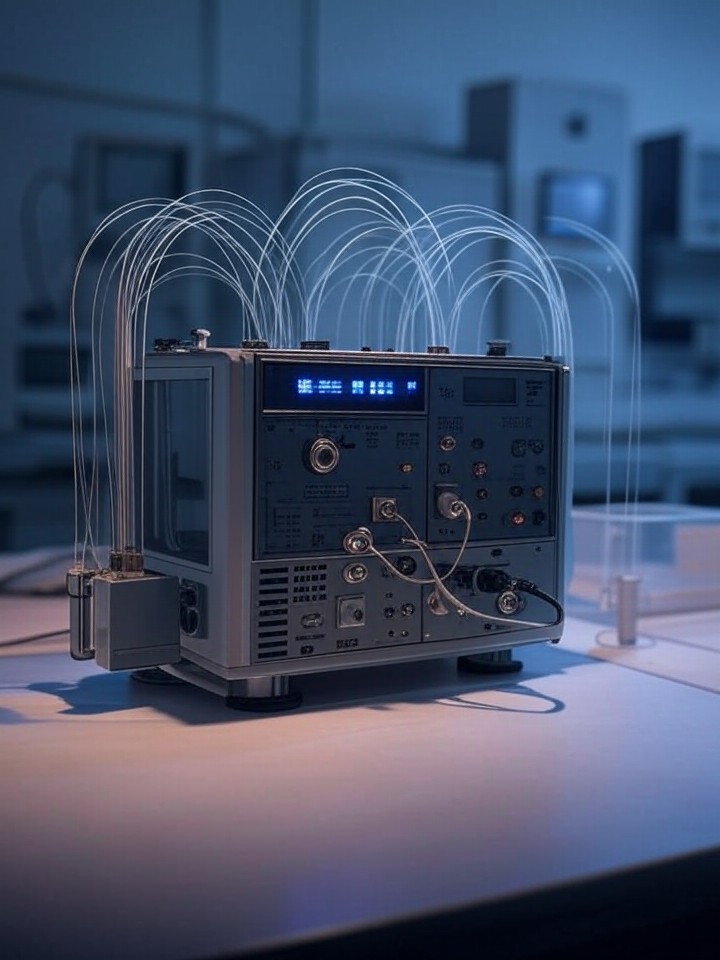
According to recent reporting, the Defense Department acquired a mysterious device through an undercover purchase, spending an eight-figure sum in the waning days of the Biden administration. This portable apparatus, which emits pulsed radio waves, has been under rigorous testing for over a year. Sources familiar with the matter suggest it may replicate the effects associated with Havana Syndrome, including headaches, dizziness, and cognitive impairments. The operation involved Homeland Security Investigations, using Pentagon funds to secure the device from undisclosed sellers.
Investigators are particularly intrigued by the device’s components, some of which appear to originate from Russia, fueling speculation about foreign involvement. While no definitive proof links this technology to specific attacks, its acquisition marks a significant step in unraveling the syndrome’s origins. Officials have briefed Congress on the findings, emphasizing the potential proliferation of such weapons and the need for enhanced protections for U.S. personnel abroad.
The Genesis of a Global Enigma
Havana Syndrome first gained notoriety when American and Canadian diplomats in Havana reported hearing piercing noises followed by symptoms like hearing loss, vertigo, and memory problems. By 2021, cases had surfaced in over a dozen countries, affecting more than 1,000 individuals, including spies, troops, and State Department employees. Initial theories ranged from sonic attacks to pesticide exposure, but consensus has increasingly leaned toward directed-energy weapons.
A pivotal moment came in a 2024 White House statement, as reported by investigative journalist Catherine Herridge on X, acknowledging that a subset of these incidents might stem from pulsed electromagnetic or acoustic energy. This admission contrasted earlier dismissals by some agencies, which attributed symptoms to stress or mass psychogenic illness. The Pentagon’s budget requests, including a $36 million allocation in 2023 for syndrome-related responses, underscore the government’s growing concern.
Experts like those at Scientific American have described the device as a machine capable of emitting targeted radio waves, potentially interfering with human neurology. In an article from Scientific American, it’s noted that while the technology’s role remains debated, its testing represents a breakthrough in understanding the “strange panoply of symptoms” experienced by victims.
Undercover Operations and High-Stakes Acquisitions
The covert purchase of the device was no small feat. As detailed in a CNN report, Homeland Security agents posed as buyers in an elaborate sting operation to obtain the equipment without alerting potential adversaries. The transaction, funded by the Defense Department, highlights the lengths to which the U.S. is going to counter emerging threats. Sources indicate the device was procured amid suspicions it could be responsible for incidents dating back to 2016.
This isn’t the first time such technology has surfaced in intelligence circles. Posts on X from users like Sarah Adams, a former CIA officer, have long advocated for recognizing directed-energy weapons as a real danger to public servants. Her statements emphasize the debilitating injuries that prevent affected individuals from continuing their duties, calling for robust government protection measures.
Further complicating the narrative, the device’s Russian components have reignited debates about geopolitical motivations. A piece in The Hill reports that the Pentagon’s secret acquisition points to possible foreign development, though no direct evidence ties it to state actors like Russia or China. Officials worry about proliferation, with one source telling CNN that if viable, this technology could be in the hands of multiple entities.
Scientific Scrutiny and Health Implications
Testing the device has involved multidisciplinary teams, including engineers, neurologists, and physicists, who are analyzing its output to match reported symptoms. Pulsed radio waves, unlike continuous emissions, can penetrate tissues and disrupt brain functions, potentially causing the auditory hallucinations and physical ailments described by victims. This aligns with findings from a National Academies of Sciences study in 2020, which deemed directed pulsed radiofrequency energy as the most plausible mechanism.
Victims’ advocacy groups have pushed for better medical support, with some X posts highlighting the lack of specific diagnosis codes for electromagnetic injuries in U.S. healthcare systems. Ashton Forbes, in a 2025 post on X, praised journalists for bringing attention to “electromagnetic scalar weapons” that have allegedly been in use for decades but remain unacknowledged officially.
The health effects are profound and varied. Affected individuals report chronic fatigue, balance issues, and cognitive fog, with some requiring long-term care. A Newsweek article suggests this device could “finally solve the mystery” that has baffled experts, as reported in Newsweek. However, skepticism persists; not all cases fit the directed-energy profile, and environmental factors can’t be ruled out entirely.
Government Responses and Policy Shifts
In response to these developments, the Pentagon has drafted memos urging personnel to report symptoms promptly. A 2021 CNN piece by Katie Bo Lillis detailed how the Department of Defense instructed its workforce to document any unusual health events, distinguishing them from explainable causes. This proactive stance has evolved, with recent briefings to the incoming administration emphasizing the need for continued investigation.
International implications are significant. Allies like Israel have taken note, with Israel Hayom covering the story and noting the covert operation’s success in acquiring the device. As per Israel Hayom, the testing phase has raised alarms about similar technologies affecting personnel worldwide.
On X, discussions reflect public sentiment, with users expressing concern over potential domestic misuse. One post questioned whether such devices could be turned against civilians, echoing broader fears about weaponized technology. Government officials, however, maintain that the focus is on defense and countermeasures, not offensive applications.
Technological Insights and Future Defenses
Delving deeper into the device’s mechanics, it reportedly operates by generating short, intense bursts of electromagnetic energy, capable of being directed at specific targets from a distance. This portability makes it a game-changer in asymmetric warfare, allowing non-lethal incapacitation without physical traces. Engineers testing it have replicated some syndrome symptoms in controlled environments, though ethical constraints limit human trials.
Comparative analysis with known technologies, such as those used in military non-lethal weapons, shows similarities. A Substack exclusive by Sasha Ingber reveals that sources confirm the U.S. has been testing this captured weapon, as detailed in Sasha Ingber’s Substack. This testing aims to develop countermeasures, like shielding materials or detection systems, to protect vulnerable personnel.
The financial aspect is telling: the eight-figure price tag, as mentioned in a Daily Mail report, underscores the perceived value and urgency. Sources in Daily Mail claim the weapon has been blamed for ailments over the past decade, prompting this high-stakes investment.
Broader Geopolitical Ramifications
As investigations continue, the device’s discovery has strained diplomatic relations. Accusations of foreign involvement, particularly from Russia, have surfaced in various reports, though denied by Moscow. Times Now’s coverage highlights how this revelation fuels suspicion of directed-energy attacks on U.S. officials globally, as explored in Times Now.
X posts from geopolitics accounts, such as GeopolitiX Monitor, discuss the device’s Russian ties and its potential as a threat, noting ongoing congressional briefings. This has led to calls for international treaties regulating such technologies, similar to arms control agreements.
For industry insiders, the implications extend to defense contractors. Companies specializing in electromagnetic countermeasures are likely to see increased funding, as the Pentagon ramps up R&D to counter these threats.
Victim Voices and Ongoing Challenges
Personal stories from those affected add a human dimension to the technical discourse. Many victims, including former diplomats, have shared experiences of sudden onset symptoms that upended their lives. Advocacy efforts, amplified on platforms like X, demand recognition and compensation, with posts criticizing the government’s slow response.
Legal battles are emerging, with lawsuits against the State Department for inadequate support. A 2024 X post by Sarah Adams underscores the moral imperative to protect loyal servants, highlighting cases where injuries halted careers.
Despite progress, challenges remain. Proving causation is difficult without direct evidence of attacks, and the device’s testing, while promising, hasn’t yielded conclusive results yet.
Path Forward in Uncertainty
The Pentagon’s work continues amid secrecy, with interagency collaboration aiming to decode the full capabilities of this technology. Future updates may come from congressional hearings, potentially declassifying more details.
For now, the acquisition and testing represent a critical advancement in addressing Havana Syndrome, offering hope to victims and a warning to potential adversaries.
This deep dive draws from multiple sources, including a Slashdot summary linking to broader discussions, as found on Slashdot, which aggregates insights from primary reports like CNN’s original coverage.
As the story unfolds, it underscores the evolving nature of modern threats, blending technology, health, and international intrigue in ways that demand vigilant oversight.


 WebProNews is an iEntry Publication