
Reviving Nostalgia: Pebble’s Round 2 Ushers in a New Era of Minimalist Wearables
In the bustling halls of CES 2026, amid the flash of cutting-edge displays and AI-driven gadgets, one announcement stood out for its deliberate simplicity. Pebble, the once-defunct smartwatch pioneer, has resurrected its iconic round design with the Pebble Round 2, a device that harkens back to the brand’s roots while addressing long-standing criticisms. Priced at $199 and set for a May release, this smartwatch promises up to two weeks of battery life, a larger color e-paper display, and a focus on essential features without the bloat of modern competitors. Drawing from hands-on experiences and early reviews, the Round 2 appears poised to carve out a niche for users weary of power-hungry wearables.
The original Pebble Time Round, launched in 2015, was celebrated for its slim profile but criticized for short battery life and a diminutive screen. Now, a decade later, Pebble’s revival—spearheaded by a team including original founders—fixes those flaws. According to a detailed hands-on report from Android Authority, the new model boasts a 1.3-inch touchscreen that’s sharper and more vibrant, encased in a body that’s just 7.5mm thick. This makes it one of the slimmest smartwatches on the market, blending seamlessly with traditional timepieces.
Beyond aesthetics, the Round 2 emphasizes endurance. Its e-paper display, which consumes minimal power, allows for that impressive two-week runtime on a single charge, far outpacing rivals like the Apple Watch or Galaxy Watch series. Pre-orders are already open, with shipments expected in spring, signaling strong initial interest from tech enthusiasts nostalgic for Pebble’s heyday.
Design Evolution and User-Centric Improvements
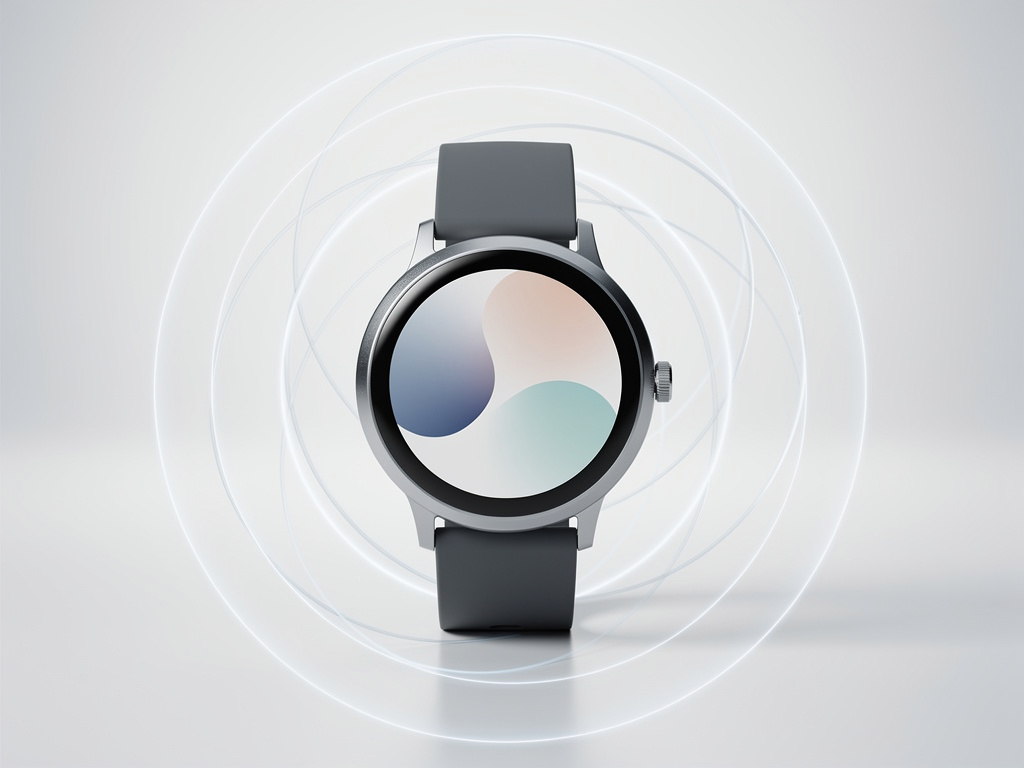
Pebble’s approach with the Round 2 is refreshingly restrained. The watch retains the circular form factor that set the original apart from the square-faced masses, but it now features a bezel-free design for a more immersive viewing experience. Materials include matte black and brushed silver options, with standard 20mm bands that users can swap easily, enhancing customization. As noted in coverage from TechCrunch, this iteration ditches the heart rate sensor to prioritize battery efficiency and affordability, a bold choice in an era where health tracking is ubiquitous.
Hands-on impressions highlight the tactile appeal. The physical buttons—four in total—provide intuitive navigation, echoing the original Pebble’s user-friendly interface. Reviewers at CES praised the always-on display’s readability in bright sunlight, a nod to e-paper’s strengths over OLED screens. One insider at the show described it as “the smartwatch for people who hate smartwatches,” underscoring its minimalist ethos.
Integration with smartphones remains core, supporting notifications, music controls, and basic fitness tracking like steps and sleep. However, without advanced sensors, it’s not aiming to compete in the wellness arena. Instead, it leverages Pebble’s open ecosystem, compatible with thousands of apps from the brand’s past, now updated for modern devices.
Battery Life as the Killer Feature
The standout specification is undoubtedly the battery. In a market where daily charging is the norm, the Round 2’s two-week claim is revolutionary. This is achieved through a combination of low-power e-paper tech and efficient software optimizations. Early tests, as reported by PCMag, confirm that even with moderate use—checking notifications and occasional app interactions—the watch holds up without needing a plug.
Industry analysts point to this as a potential disruptor. For professionals on the go, such as executives or travelers, the freedom from constant recharging could be a game-changer. Pebble’s software, built on a custom OS that’s open-source, further extends longevity by minimizing background processes. Unlike Wear OS or watchOS, which drain power with constant syncing, Pebble’s system focuses on essentials.
Comparisons to contemporaries are inevitable. While devices like the OnePlus Watch 2 boast up to 100 hours in smart mode, as detailed in posts on X from tech influencers, Pebble’s offering extends that to 336 hours or more. This positions it as a bridge between basic fitness trackers and full-fledged smartwatches, appealing to a segment tired of feature overload.
Software Ecosystem and Compatibility Challenges
Delving deeper, the Round 2 runs on an evolved version of Pebble’s Timeline interface, which organizes notifications and events in a chronological stream. This system, beloved by original users, has been refined for better touch interactions on the larger screen. Compatibility extends to both Android and iOS, though some features may vary by platform. Developers are already buzzing about porting apps, with Pebble encouraging an open community to build on its legacy.
However, challenges remain. Without native GPS or advanced biometrics, it might not satisfy power users. Reviews from Lifehacker note that while the display is crisp, it’s not as responsive as high-end OLEDs, potentially frustrating those accustomed to fluid gestures. Battery estimates assume light usage; heavy notification traffic could reduce it to a week, still impressive but worth noting.
On X, sentiment is overwhelmingly positive, with users posting about the nostalgia factor and excitement for a “simple” smartwatch. One viral thread highlighted how the Round 2 avoids data-hungry features, aligning with growing privacy concerns in wearables. Pebble’s team has addressed this by minimizing cloud dependencies, storing most data locally.
Market Positioning and Competitive Edge
Pebble’s re-entry comes at a time when the wearable sector is saturated, yet ripe for innovation in simplicity. Priced under $200, it undercuts premium options while offering premium build quality. As per insights from TechRadar, the Round 2 “fixes all the original’s major pitfalls,” such as the tiny screen and poor battery, making it a true successor rather than a mere reboot.
Competitors like Garmin and Fitbit focus on fitness, while Apple and Samsung dominate lifestyle segments. Pebble carves a middle path, targeting urban professionals who want smart features without the hassle. Early pre-order numbers, though not publicly disclosed, suggest robust demand, fueled by CES buzz.
Insiders speculate on Pebble’s broader strategy. This launch follows other revivals like the Core 2 Duo, indicating a portfolio build-out. Partnerships with app developers could expand functionality, potentially adding third-party health integrations without compromising core values.
Hands-On Insights from CES 2026
From the show floor, the Round 2 feels premium in hand, with a weight of just 28 grams that belies its capabilities. The e-paper screen refreshes smoothly for most tasks, though animations are subdued to save power. Testers appreciated the water resistance up to 30 meters, suitable for everyday wear but not extreme sports.
Integration with voice assistants is limited, relying on phone passthrough rather than onboard processing. This keeps things lightweight but might limit appeal for hands-free users. Feedback from The Verge emphasizes the watch’s role as a “companion” device, not a standalone powerhouse.
Social media reactions on X amplify the hype, with influencers sharing unboxing previews and feature breakdowns. Posts praise the nostalgic design, often comparing it favorably to bulkier modern watches. One common thread: the Round 2’s potential to reduce screen time by filtering notifications intelligently.
Future Prospects and Industry Implications
Looking ahead, Pebble’s success with the Round 2 could influence larger players to rethink power management. If consumers embrace this back-to-basics model, we might see a shift toward hybrid devices that blend analog aesthetics with digital smarts. The May launch will be telling; initial shipments could sell out quickly given the pent-up demand from Pebble loyalists.
Challenges include scaling production and maintaining software support. Pebble’s small team must navigate supply chain issues, especially for e-paper components. Yet, their track record—reviving a brand from obscurity—suggests resilience.
Broader implications touch on sustainability. With longer battery life, the Round 2 reduces electronic waste from frequent replacements. Industry watchers, including those at 9to5Google, see it as a counterpoint to disposable tech trends, promoting longevity over gimmicks.
Innovation in Simplicity’s Shadow
Pebble isn’t stopping at hardware. Plans for firmware updates promise to add features like customizable watch faces and improved app compatibility. Community forums are abuzz with ideas, from integration with smart home systems to enhanced fitness metrics via software hacks.
Critics argue the lack of a heart rate monitor is a misstep, but defenders counter that it keeps costs down and focus sharp. In CES demos, the watch excelled at quick glances—weather, calendar, texts—without overwhelming the user.
Ultimately, the Round 2 embodies a philosophy: technology should enhance life, not complicate it. As one X post put it, it’s “the smartwatch we’ve waited 10 years for,” capturing the sentiment of a generation disillusioned with over-engineered gadgets.
Pebble’s Path Forward
For industry insiders, the Round 2 represents more than a product—it’s a case study in revival. By leveraging nostalgia and addressing pain points, Pebble challenges incumbents to innovate beyond specs. Sales data post-launch will reveal if this strategy pays off.
In conversations with developers, there’s optimism for an expanding ecosystem. Potential tie-ins with health apps could bridge gaps without hardware changes.
As CES 2026 wraps, the Round 2 stands as a beacon of thoughtful design, proving that sometimes, less truly is more in the evolving world of wearables.


 WebProNews is an iEntry Publication