
Reviving the Circle: Pebble’s Timely Return to Smartwatch Simplicity
In the ever-evolving world of wearable technology, where devices cram in features from health tracking to AI assistants, a familiar name is making a comeback with a focus on less-is-more design. Pebble, the pioneering smartwatch brand that captured hearts in the early 2010s before fading into acquisition oblivion, has relaunched its iconic round-faced model. The new Pebble Round 2, announced at the start of 2026, promises to blend nostalgia with modern refinements, addressing the shortcomings of its predecessor while betting on consumers’ desire for simplicity amid a sea of complex gadgets.
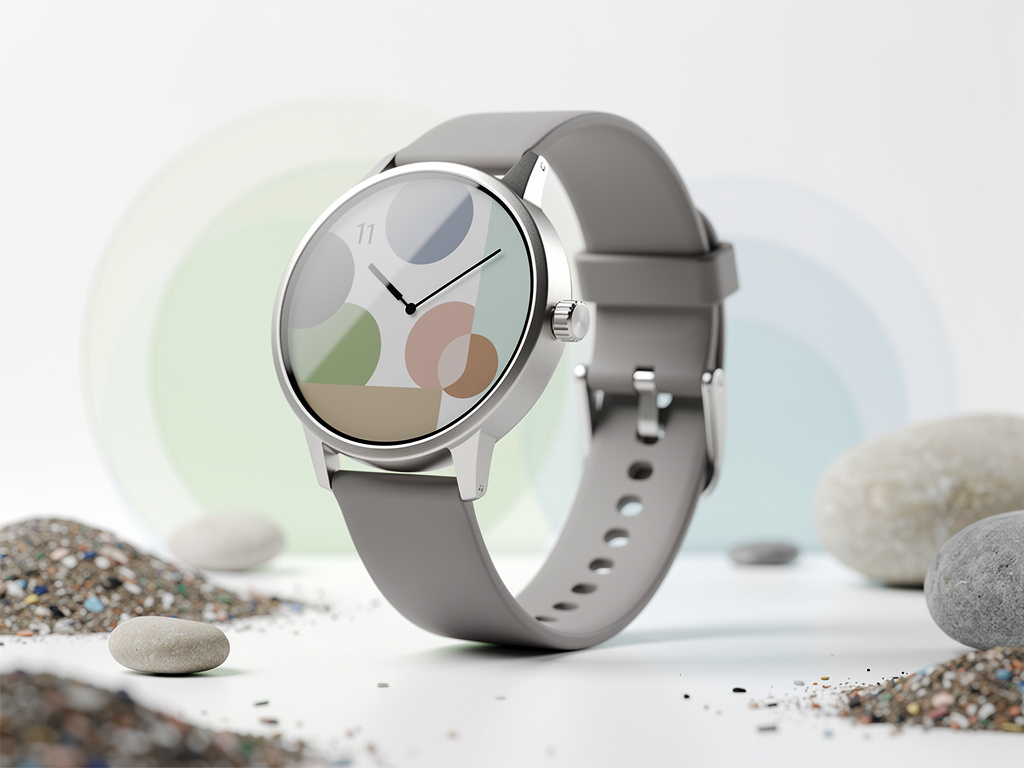
The original Pebble Time Round, released in 2015, was celebrated for its slim profile and e-paper display but criticized for its short battery life and chunky bezels. Now, under the banner of RePebble—a revived entity formed by former Pebble engineers and enthusiasts—the Round 2 emerges as a thoughtful evolution. Priced at $199, it boasts a 1.3-inch color e-paper touchscreen, a dramatic reduction in bezel size for a more immersive viewing experience, and battery life extending up to two weeks on a single charge. This revival isn’t just about hardware; it’s a statement on sustainable tech in an industry dominated by short-lived batteries and constant upgrades.
Drawing from recent announcements, the Round 2 fixes key flaws of the original, such as its mere two-day battery endurance, by incorporating advanced low-power components and optimized software. Pre-orders opened on January 2, 2026, via the official RePebble site, with shipments slated for May. Industry observers note this timing aligns with CES 2026 buzz, where wearables are showcasing everything from augmented reality integrations to biometric innovations. Yet Pebble’s approach stands out for its restraint, echoing the brand’s original ethos of providing essential notifications, fitness tracking, and customizable watch faces without overwhelming users.
From Dormancy to Rebirth: Pebble’s Turbulent Journey
Pebble’s story began as a Kickstarter sensation in 2012, raising over $10 million and kickstarting the smartwatch era. By 2016, however, financial pressures led to its acquisition by Fitbit, which eventually phased out support for Pebble devices. Fans kept the flame alive through community projects like Rebble, an open-source server replacement that maintained functionality for legacy watches. This grassroots effort paved the way for RePebble’s formation in 2025, backed by investors nostalgic for Pebble’s minimalist appeal.
According to reports from TechCrunch, the Round 2 launch represents a “reboot” of the thinnest smartwatch in Pebble’s lineup, emphasizing a rounded screen that lasts far longer than competitors like the Apple Watch. The article highlights how RePebble has leveraged e-paper technology advancements to achieve this endurance, drawing on low-energy displays that remain visible in sunlight without backlighting. This isn’t mere revival; it’s a calculated pivot toward eco-conscious consumers frustrated with daily charging rituals.
Social media sentiment on X underscores this enthusiasm. Posts from tech influencers express excitement over the return of Pebble’s “iconic DNA,” with many praising the extended battery as a game-changer. One prominent thread from early 2025 even teased the revival, noting dramatic improvements in sensors and display tech. These online discussions reflect a broader yearning for devices that prioritize longevity over flashy features, especially as global supply chains emphasize sustainability.
Design Innovations: Trimming the Fat for a Sleeker Future
At the heart of the Round 2’s appeal is its bezel-minimizing design, a direct response to critiques of the original’s thick borders that ate into screen real estate. As detailed in an AppleInsider piece, the new model features a near-bezel-free 1.3-inch display, creating a more modern aesthetic while retaining the classic circular form factor. This engineering feat involved custom glass shaping and integrated circuitry, allowing for a thinner profile overall—measuring just 7.5mm thick, it’s among the slimmest smartwatches available.
Battery life remains the star attraction, with RePebble claiming 10 to 14 days of usage, depending on features like heart rate monitoring and notification syncing. This is achieved through a combination of efficient e-ink-like displays and a proprietary OS that’s open-sourced, inviting developers to create apps without draining power. In contrast to power-hungry OLED screens in devices from Samsung or Google, Pebble’s choice harkens back to its roots, where always-on visibility was a hallmark.
Compatibility extends to both iOS and Android, with seamless integration for calls, texts, and basic fitness metrics. However, it eschews advanced health features like ECG or blood oxygen monitoring, positioning it as a companion device rather than a full-fledged health hub. This deliberate omission, as noted in web searches of recent news, appeals to users seeking a break from data overload, aligning with trends toward digital minimalism.
Market Positioning: Navigating a Competitive Arena
The smartwatch sector has ballooned since Pebble’s heyday, with giants like Apple, Garmin, and Fitbit dominating sales. Yet RePebble’s strategy targets a niche: retro enthusiasts and those disillusioned with subscription-locked features. Priced accessibly at $199, the Round 2 undercuts premium models while offering premium battery life, a point emphasized in a Engadget analysis that lauds the revival for “fixing all of its flaws.”
Competitive edges include water resistance up to 50 meters and a modular band system for customization. Early reviews from CES 2026 previews, as covered in various outlets, highlight the device’s lightweight comfort, weighing only 28 grams. This makes it ideal for all-day wear without the bulk of rugged alternatives. Moreover, the open-source OS fosters a developer community, potentially leading to innovative apps that extend functionality without compromising core simplicity.
Challenges loom, however. RePebble must rebuild trust after years of dormancy, ensuring server stability and software updates. X posts from users recall past server shutdowns post-Fitbit acquisition, fueling skepticism. Still, the company’s commitment to transparency—detailed in their pre-order page—includes promises of long-term support, which could sway wary buyers.
Technological Underpinnings: Powering the Pebble Renaissance
Diving deeper into the tech, the Round 2 employs a custom processor optimized for low-power tasks, paired with 64-color e-paper that refreshes quickly for smooth interactions. This tech, evolved from the original Pebble’s monochrome roots, now supports vibrant watch faces and app interfaces. As reported by The Verge, the larger touchscreen improves usability, making navigation intuitive via swipes and buttons.
Battery innovations stem from advanced lithium-polymer cells and software algorithms that intelligently manage power draw. For instance, the watch can enter a deep sleep mode during inactivity, preserving charge for essential alerts. This contrasts sharply with the daily recharges required by most modern smartwatches, a frustration echoed in consumer forums and recent web articles.
Integration with ecosystems is another strength. Users can sync with popular apps for music control, weather updates, and even voice assistants, though Pebble avoids embedding heavy AI to maintain its lightweight profile. This balance, as TechCrunch previously noted, positions the Round 2 as a “retro-minimalist” option in a market saturated with multifunctional behemoths.
Community and Ecosystem: Building on Fan Loyalty
Pebble’s revival owes much to its dedicated fanbase, who through projects like Rebble kept devices operational long after official support ended. RePebble is leaning into this by open-sourcing the OS, inviting contributions that could expand features like third-party app stores. X discussions from 2025 highlight community excitement, with developers already prototyping integrations for everything from calendar apps to gaming.
Partnerships are emerging too. Reports from Digital Trends mention collaborations with fitness brands for enhanced tracking accuracy, without bloating the device. This ecosystem approach mirrors successful models like Garmin’s, but with Pebble’s signature accessibility.
Sustainability is a subtle yet powerful angle. By emphasizing longevity, RePebble reduces electronic waste, appealing to environmentally conscious consumers. Web searches reveal growing interest in durable tech, with the Round 2’s repairable design—modular components for easy fixes—setting it apart from sealed-off competitors.
Future Prospects: Pebble’s Path Forward
As pre-orders ramp up, analysts predict steady adoption among niche markets like professionals seeking discreet notifications or athletes valuing battery reliability. The May shipping date allows time for refinements based on feedback, a agile strategy in today’s fast-paced tech world.
Comparisons to past revivals, such as Nokia’s phone comebacks, suggest Pebble could carve a sustainable niche if it maintains innovation. Engadget’s coverage reinforces this, noting the Round 2’s potential to disrupt by proving simplicity sells.
Broader implications for the industry include a push toward efficient designs. If successful, Pebble might inspire rivals to prioritize battery life over gimmicks, reshaping consumer expectations.
Strategic Insights: Lessons from a Decade of Evolution
Reflecting on Pebble’s trajectory, the Round 2 embodies lessons from a decade of wearable advancements. Original compromises, like the Time Round’s battery trade-offs for thinness, have been rectified through material science breakthroughs.
Market data from recent reports indicates wearables grew 15% in 2025, driven by health features. Yet Pebble bets on differentiation, as TechRadar points out, with its “huge do-over” addressing every major pitfall.
For industry insiders, this launch signals opportunities in underserved segments. RePebble’s model—reviving IP with community input—could become a blueprint for other dormant brands.
Global Reach and Challenges Ahead
Internationally, the Round 2’s appeal spans regions where affordable, long-lasting tech is prized. Availability through global shipping, as per the RePebble site, broadens its footprint.
Hurdles include regulatory compliance for health data and competition from low-cost Chinese alternatives. Still, Pebble’s heritage provides a unique edge.
Ultimately, this revival underscores enduring demand for thoughtful tech, proving that sometimes, going back to basics is the smartest move forward.


 WebProNews is an iEntry Publication