
The Stealthy Scam Lurking in Your PayPal Inbox: Subscriptions Turned into Phishing Weapons
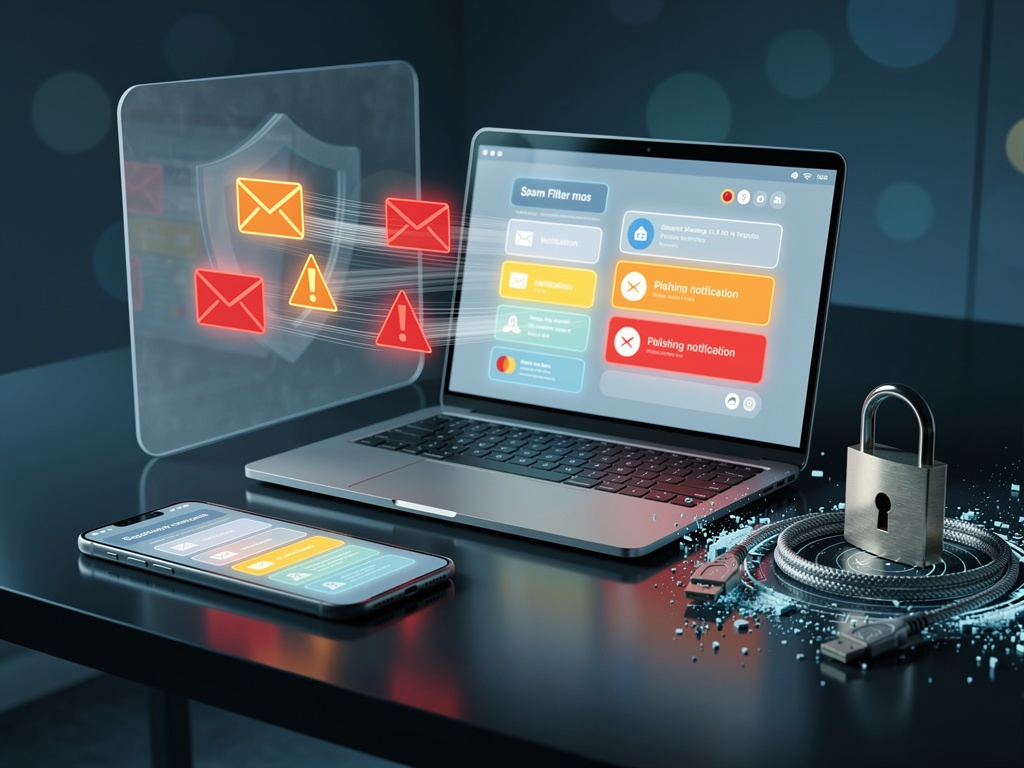
In the ever-evolving world of cyber threats, a new tactic has emerged that exploits one of the most trusted names in online payments: PayPal. Scammers are leveraging the platform’s subscription billing feature to send emails that appear entirely legitimate, embedding fake purchase notifications designed to panic users into action. This method allows fraudulent messages to bypass spam filters and land directly in inboxes, originating from PayPal’s own servers. The result is a sophisticated phishing scheme that has cybersecurity experts sounding alarms, as it blurs the line between genuine communications and deceitful ploys.
The scam typically unfolds with an email notifying the recipient of a supposed subscription or purchase they never authorized, often for a substantial amount like hundreds of dollars. These messages include a customer service URL that, when examined closely, reveals embedded fake details urging the user to call a provided number for resolution. What makes this particularly insidious is that the emails come from service@paypal.com, PayPal’s official domain, making them indistinguishable from real alerts at first glance. Victims who dial the number connect with fraudsters posing as PayPal support, who then attempt to extract sensitive information or remote access to devices.
This abuse of PayPal’s infrastructure highlights a vulnerability in how subscription features are structured. According to reports, scammers create subscription agreements with manipulated fields, such as the customer service URL, which PayPal’s system then incorporates into automated emails. This allows the injection of phishing content without triggering the platform’s security checks. As one security analyst noted, it’s like hijacking a trusted messenger to deliver poison pills.
Unmasking the Mechanics of the Deception
Delving deeper into the technical underpinnings, the scam exploits PayPal’s “Subscriptions” feature, which is intended for recurring payments like those for streaming services or software. Fraudsters set up these subscriptions with altered metadata, embedding misleading information in fields that PayPal automatically includes in notification emails. For instance, the customer service contact section might contain a fake phone number linked to a tech support scam, where callers are tricked into believing their accounts are compromised.
Recent investigations reveal that this tactic has been active for several months, with a surge in reports toward the end of 2025. Cybersecurity firms have tracked how these emails evade detection: since they originate from legitimate PayPal servers, email providers like Gmail or Outlook often fail to flag them as suspicious. This authenticity lends credibility, increasing the likelihood that recipients will engage with the content.
PayPal has acknowledged the issue and taken steps to mitigate it, including closing certain loopholes in their subscription creation process. However, the company emphasizes that users should always verify suspicious activity by logging directly into their accounts rather than clicking links or calling numbers from emails. This advice underscores a broader challenge in digital security: even robust systems can be gamed if not constantly updated against emerging threats.
Victim Stories and Real-World Impacts
Personal accounts from those affected paint a vivid picture of the scam’s reach. One user, a small business owner in California, received an email claiming a $500 subscription to an unknown service. Panicking, she called the provided number, only to be walked through steps that nearly granted scammers access to her computer. Fortunately, she hung up and contacted PayPal directly, avoiding financial loss. Such stories are becoming common, with forums and social media buzzing with similar experiences.
The financial toll can be significant. In cases where victims fall for the ruse, scammers may install malware, steal credentials, or even drain accounts. According to data from cybersecurity watchdogs, account takeover scams have siphoned off hundreds of millions in 2025 alone, with PayPal-related fraud contributing a notable portion. The FBI has issued warnings about these schemes, noting a spike in tech support fraud that preys on users’ fears of unauthorized charges.
Beyond individual losses, this scam erodes trust in digital payment systems. PayPal, which processes billions in transactions annually, relies on user confidence. When legitimate emails become vectors for fraud, it forces a reevaluation of how platforms design their notification systems. Industry insiders argue that this incident could prompt regulatory scrutiny, pushing for stricter controls on automated communications.
Evolving Tactics in Cyber Fraud
Scammers’ ingenuity doesn’t stop at subscriptions; they’ve adapted techniques from other phishing campaigns. For example, similar abuses have been seen in invoice scams, where fake bills mimic PayPal’s format but come from spoofed addresses. The subscription variant takes it a step further by using the real system, making detection harder. Experts point to the role of underground forums where these methods are shared and refined, often for a fee.
In response, security researchers are developing tools to spot these anomalies. Advanced email filters that analyze metadata, rather than just sender addresses, are in the works. Companies like Malwarebytes have detailed how the scam works, advising users to hover over links and check for inconsistencies. As reported in a recent analysis by Malwarebytes, PayPal has now patched the specific vulnerability, but variants may persist.
Posts on X, formerly Twitter, reflect growing user awareness and frustration. Many share screenshots of suspicious emails, warning others to avoid calling embedded numbers. One viral thread from a tech influencer highlighted how these scams target vulnerable groups, like the elderly, who may be less tech-savvy. This social media chatter has amplified calls for better protections, pressuring PayPal to act swiftly.
PayPal’s Response and Industry Repercussions
PayPal’s official stance, as outlined on their help pages, includes tips for spotting fakes: look for generic greetings, urgent language, or requests for personal info. A guide from PayPal’s own site stresses logging in directly to verify any claims. Following the outbreak, the company rolled out updates to restrict how subscription fields can be customized, aiming to prevent malicious insertions.
Yet, critics argue this is reactive rather than proactive. In an in-depth piece by BleepingComputer, experts warned that without fundamental changes to email authentication, similar exploits will continue. The article details how scammers use forwarding services to mask their tracks, adding layers to the deception.
The broader industry is taking note. Competitors like Stripe and Square are reviewing their own systems for analogous weaknesses. Analysts predict that this could lead to enhanced standards for payment processors, possibly involving AI-driven anomaly detection to flag unusual subscription setups before emails are sent.
Preventive Measures for Users and Businesses
For everyday users, vigilance is key. Always access PayPal via the official app or website, never through email links. Enable two-factor authentication and monitor account activity regularly. Businesses using PayPal for subscriptions should audit their agreements and educate customers on scam indicators.
Security professionals recommend tools like password managers and VPNs to add layers of protection. In a report from TechWorm, it’s noted that educating users about these tactics reduces victimization rates significantly. The piece emphasizes reporting suspicious emails to PayPal immediately, helping the company track and dismantle scam operations.
Looking ahead, the integration of blockchain or decentralized verification might offer more secure alternatives, though adoption remains slow. Meanwhile, regulatory bodies like the FTC are monitoring these developments, potentially mandating transparency in how platforms handle user data and communications.
The Global Reach and Future Threats
This scam isn’t confined to the U.S.; reports from Europe and Asia indicate a global operation. In the UK, for instance, similar emails have targeted users with pound-denominated fake charges, as covered in international cybersecurity bulletins. The cross-border nature complicates enforcement, with scammers often operating from jurisdictions with lax cyber laws.
Emerging technologies could exacerbate or mitigate these risks. AI-generated content might make phishing emails even more convincing, but the same tech could power better detection systems. A discussion in TechNadu explores how machine learning is being deployed to analyze email patterns in real-time.
As cyber threats grow more sophisticated, collaboration between tech giants, governments, and users becomes essential. This PayPal subscription scam serves as a stark reminder that even trusted platforms can be weaponized, urging a collective push toward more resilient digital defenses.
Lessons from the Front Lines
Industry veterans recall past incidents, like the 2023 PayPal invoice scams mentioned in older X posts, which foreshadowed this evolution. Those earlier tactics relied on spoofing, but the subscription abuse represents a step up in sophistication. Learning from these, companies are investing in threat intelligence sharing to stay ahead.
For insiders, the takeaway is clear: design systems with abuse in mind from the outset. PayPal’s quick patch, as detailed in Lifehacker, shows responsiveness, but proactive measures like regular security audits are crucial.
Ultimately, this episode underscores the need for ongoing innovation in cybersecurity. By understanding these scams’ inner workings, users and providers can fortify their defenses, ensuring safer online transactions for all. As the digital economy expands, staying informed and adaptable will be the best armor against such stealthy adversaries.
Charting a Path Forward in Digital Security
Experts foresee a future where multi-layered verification becomes standard, perhaps integrating biometric checks for high-value notifications. In the meantime, community efforts on platforms like X continue to spread awareness, with users sharing tips and experiences to collective benefit.
PayPal’s experience may catalyze industry-wide changes, fostering environments where trust is not just assumed but engineered. For now, the onus remains on individuals to question every unexpected email, turning potential victims into informed guardians of their own security.
This deep dive reveals that while scammers innovate, so too do defenders, in a perpetual cat-and-mouse game that defines modern cyber resilience.


 WebProNews is an iEntry Publication