
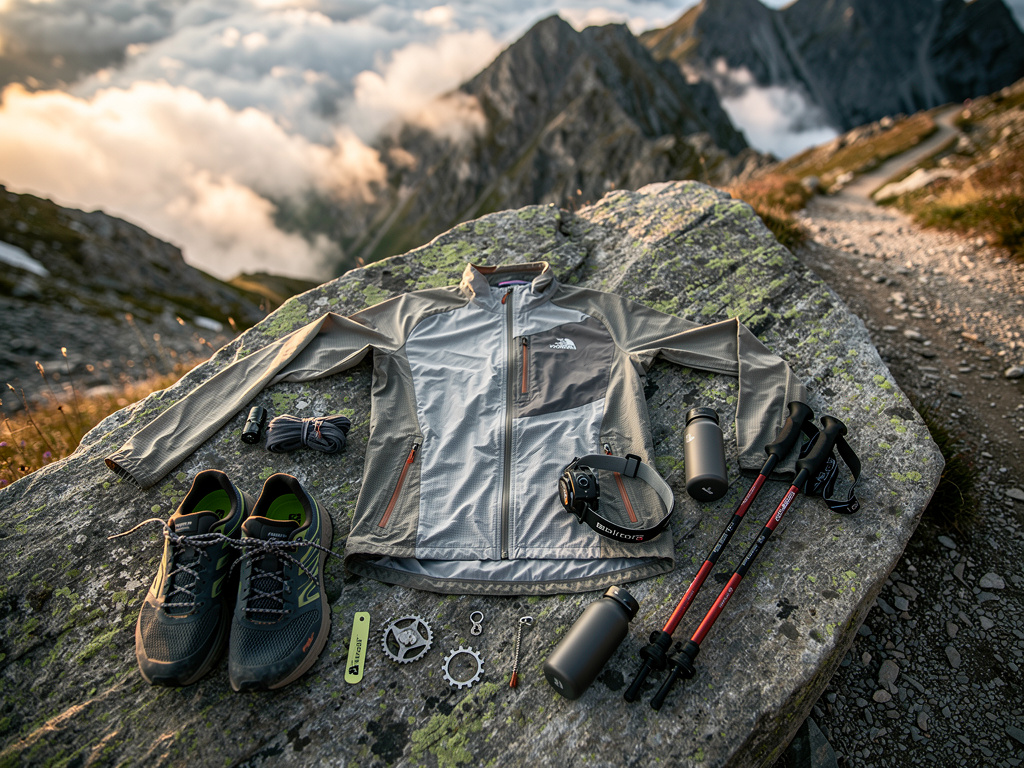
In the competitive world of outdoor apparel, where brands vie for attention with flashy innovations, Patagonia’s trail-running division under Global Product Line Director Jessica Rogers pursues a counterintuitive goal: gear so reliable it fades into the background. “Building a good product means it goes unnoticed. You don’t pay any attention to the gear you’re wearing, because you’re confident in it,” Rogers told Outside Online in a 2020 interview. This philosophy drives a line that prioritizes performance, durability and sustainability over showmanship.
Rogers, who joined Patagonia in 2016 after stints at Saucony and Adidas designing apparel for NBA stars, shifted her focus to the demands of wild terrain. Her path to trail running came via cross-country at Boston College following an ACL injury that derailed basketball dreams. At Patagonia, she leads categories blending trail running and hiking, emphasizing products that support athletes in climbing, backpacking and surfing as much as pure running. As of spring 2020, every item in the trail-running collection used recycled materials and was produced in Fair Trade Certified factories, a benchmark that persists today according to Patagonia’s site.
Philosophy of Unseen Reliability
The “invisibility” ethos extends to design choices that eliminate distractions. Rogers highlighted the Airshed Pro pullover in her Outside Online discussion, noting its packability and versatility. In a Backpacker interview, she praised the Airshed jacket as her first Patagonia trial upon joining: “It’s one of my favorite pieces to run with. It’s so tiny that it can pack in my bag and gives me that range of use that I want on the trail.” Breathability and moisture management, overlooked in indoor gym gear at Adidas, became central as she adapted to outdoor rigors.
Pockets pose ongoing challenges amid evolving smartphones, Rogers noted in Backpacker, underscoring the need for adaptable features. Patagonia avoids running shoes, allowing Rogers to endorse competitors like the Brooks Caldera: “When I’m gearing up for trail running, trail hiking, or anything, I bring my Brooks Caldera trail running shoes.” This focus on apparel lets the brand excel in uppers, shorts, vests and jackets tailored for ultras and singletrack.
Evolution from Endurance to Trail Focus
Patagonia’s trail-running roots trace to the 1990s endurance line for Nordic skiing and road running, evolving by the early 2000s as trail interest surged. “By the early 2000s, trail running was seeing a huge growth in interest and Patagonia changed its focus to cater more specifically to this sub-section of the running world,” Rogers explained in a Like the Wind Magazine feature. “We’ve had a lot of different folks work on these categories over the years.” Today, products blur lines between running, scrambling and hiking for versatile use, aiding sustainability by reducing specialized gear needs.
“In many ways, it’s people thinking about different types of gear they’re bringing as they’re going from single-track trails into more of a scrambling space,” Rogers added, reflecting adaptive designs. The line ties to activism; Rogers serves with Runners for Public Lands, where she is described as leading trail running and hike categories with 15 years of experience, per the organization’s about page. She highlights peers like Nnormal, founded by Kilian Jornet, sharing ambassador Peyton Thomas, who studies marine impacts.
Sustainability at the Core
Recycled fabrics and Fair Trade production define the collection, aligning with Patagonia’s 2025 Work in Progress Report, which details efforts to lessen environmental impact. Current offerings include the Slope Runner Trail Running Vest for organized storage on long efforts, as listed on Patagonia.com. Wool items and breathable layers cater to variable conditions, with new arrivals in fresh colors maintaining classics.
Men’s and women’s lines feature outerwear for messy trails, packs for ultras and technical tees. Rogers’ team tests rigorously; she endured ill-fitting shoes early in her career: “I’ve had a lot of discomfort that I’ve run through; that’s just the nature of testing product and trying to make it better,” per Backpacker. This real-world validation ensures gear withstands lifetimes of abuse.
Blurring Activity Boundaries
Modern users mix disciplines, prompting flexible products. Like the Wind notes Patagonia’s recognition of lateral movement through wild places, from singletrack to scrambles. Rogers’ leadership now as Global Product Line Director-Trail Run and Hike Categories, confirmed by profiles on RocketReach, builds on this, incorporating her Stanford GSB studies in 2024-2025.
Activism infuses the brand; trail running platforms change, as with ambassador Felipe Cancino’s runs against hydropower threats. Patagonia’s trail stories on its site feature redemption arcs and cultural reconnections, like Colombian runner Vanessa Chavarriaga Posada rediscovering roots. Gear enables these pursuits unnoticed.
Current Offerings and Future Outlook
Patagonia’s trail page emphasizes connection to nature and land protection, with packs, vests and wool for fast pursuits. As 2026 approaches, fresh styles emerge amid events like Patagonia Bariloche by UTMB. Rogers’ vision keeps evolution steady: reliable, sustainable, invisible. Industry watchers note this approach sustains loyalty in a market chasing trends, proving quiet confidence outlasts hype.


 WebProNews is an iEntry Publication