
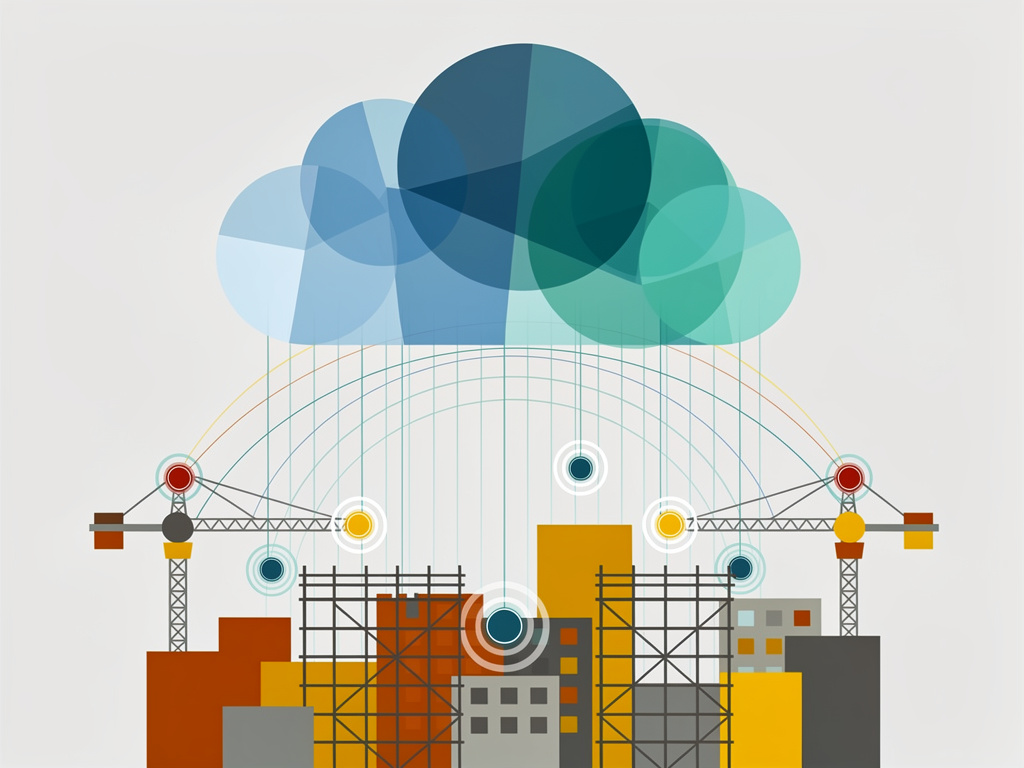
Oracle just dropped something the construction industry has been quietly waiting for: an AI-powered safety platform designed to predict jobsite incidents before they occur. Not after the fall. Not after the near-miss gets logged in a spreadsheet nobody reads. Before.
The new offering, called Oracle Construction Intelligence Cloud, integrates predictive analytics directly into construction project workflows, pulling data from across Oracle’s existing construction management tools to flag emerging safety risks in real time. According to ERP News, the platform uses AI and machine learning models trained on historical project data, environmental factors, and workforce patterns to generate risk scores and safety recommendations for project managers.
Construction remains one of the deadliest industries in the United States. The Bureau of Labor Statistics reported 1,056 fatal work injuries in construction and extraction occupations in 2022 — the highest of any sector. That number has barely budged in years. So the pitch from Oracle isn’t subtle: the old way of managing safety — reactive reports, compliance checklists, post-incident investigations — isn’t working.
What the Platform Actually Does
Oracle Construction Intelligence Cloud aggregates data from multiple sources: scheduling systems, weather feeds, equipment logs, labor records, inspection reports, and historical incident data. The AI models then analyze this information to identify patterns that precede accidents. Think of it as anomaly detection applied to the physical world — flagging when a particular combination of crew fatigue, weather conditions, project phase, and equipment usage creates elevated risk.
The system generates daily safety briefings with specific, actionable recommendations. If a project is entering a high-risk phase — say, steel erection during high winds with a crew that’s been working extended shifts — the platform surfaces that confluence of factors and recommends mitigation steps. It’s not just a dashboard. It’s a decision-support tool that pushes alerts to supervisors and safety managers.
Oracle has also built in natural language processing capabilities, allowing field teams to query the system conversationally. A superintendent could ask, “What are the top risks on Building C this week?” and get a synthesized answer drawn from project data. That’s a meaningful UX choice for an industry where the end users aren’t data scientists — they’re people in hard hats.
And the integration angle matters. Because Oracle already runs a significant chunk of construction project management through its Primavera and Aconex platforms, the new AI layer doesn’t require firms to rip and replace their existing tech stack. The data pipelines are already there. Oracle is essentially monetizing the data its customers have been feeding it for years, now with an AI wrapper that turns passive records into predictive signals.
This isn’t Oracle’s first AI play in construction. The company has been steadily adding machine learning features to its cloud construction products over the past two years, including automated document classification and risk-based project scoring. But a dedicated predictive safety product represents a sharper, more vertical bet — one that targets a pain point with clear regulatory and financial implications.
The financial case is straightforward. Construction firms spend billions annually on workers’ compensation, OSHA fines, project delays caused by incidents, and litigation. According to the National Safety Council, the average cost of a medically consulted injury in 2022 was $44,000, while the average death claim exceeded $1.3 million. If predictive analytics can reduce incident rates by even a modest percentage, the ROI math works quickly.
But skeptics will rightly ask: does this actually prevent injuries, or does it just generate more alerts that get ignored? The construction industry is littered with safety technology that looked promising in demos but failed on muddy jobsites. Wearables, IoT sensors, drone-based inspections — all have struggled with adoption. The key differentiator Oracle is banking on is that this platform lives inside tools people already use daily. No new hardware. No extra app. Just smarter outputs from familiar systems.
Competitors aren’t standing still. Procore, Autodesk, and a crop of construction-tech startups like Newmetrix (acquired by Oracle itself in 2022) and Smartvid.io have been working on AI-driven safety analytics for years. Procore’s acquisition of AI safety startup Iris Automation and Autodesk’s integration of machine learning into BIM 360 signal that the entire sector sees predictive safety as a high-value differentiator. Oracle’s advantage is scale and data — it manages project controls for some of the largest infrastructure programs globally.
So where does this go? If the models prove accurate and adoption scales, expect insurers to start requiring or incentivizing these tools, much like telematics in trucking. That’s the real inflection point — when predictive safety moves from optional software to a condition of coverage.
For now, Oracle is positioning this as an enterprise product aimed at large general contractors and owners managing complex portfolios. Pricing and availability details haven’t been fully disclosed, but the product is available through Oracle Cloud Infrastructure.
One thing is clear: the construction industry’s tolerance for preventable deaths is eroding, and the companies that can credibly demonstrate AI’s ability to save lives — not just optimize schedules — will own the next wave of enterprise construction tech.


 WebProNews is an iEntry Publication