
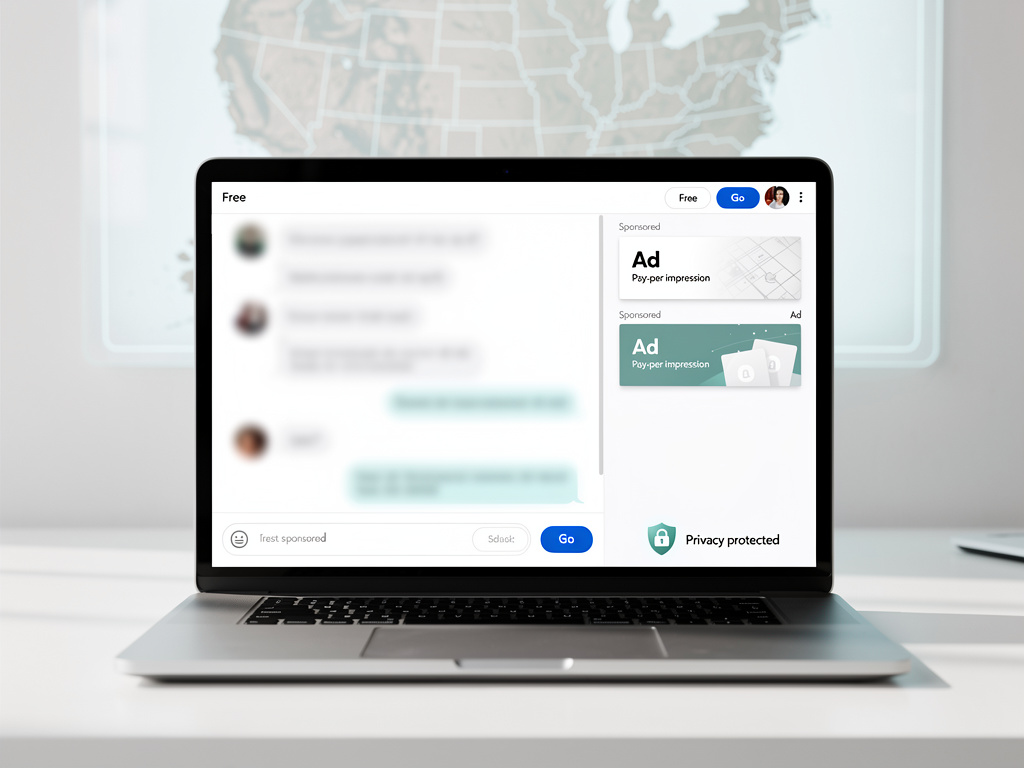
OpenAI, the AI powerhouse behind ChatGPT, is poised to introduce advertising to its flagship chatbot next month, marking a sharp reversal from CEO Sam Altman’s long-held aversion to ads. The company plans a pay-per-impression model, charging advertisers for each ad displayed to users on free and new low-cost tiers. This shift comes as OpenAI grapples with soaring infrastructure costs and mounting losses, pushing it toward monetization strategies once dismissed as undesirable.
According to a report from The Information, OpenAI staff are finalizing details for ads that could appear alongside ChatGPT responses, with tests targeting logged-in U.S. adults. The move follows announcements last week about ChatGPT Go, an $8 monthly plan offering expanded access, where ads will also run. Sam Altman posted on X that the company is ‘starting to test ads in ChatGPT free and Go tiers,’ emphasizing no influence on responses and user privacy from advertisers.
OpenAI’s Financial Pressures Mount
OpenAI’s decision reflects acute financial strain. The firm is burning through billions annually on compute resources for models like GPT-5.2, even as revenue from subscriptions grows. A Forbes analysis highlights how CEO Altman’s past anti-ads stance—calling it a ‘last resort’—has given way amid massive losses and infrastructure demands from partners like Microsoft.
Posts on X from OpenAI outline principles: ads won’t alter ChatGPT answers, conversations remain private, and premium tiers stay ad-free. The rollout begins in the U.S. with simple banner formats below responses, as shown in OpenAI’s example images shared on the platform.
Advertiser Outreach Accelerates
OpenAI has contacted dozens of advertisers, seeking commitments under $1 million each for initial tests, per Sherwood News. The pay-per-impression pricing mirrors digital ad giants like Google, but tailored to AI interactions—ads contextually relevant without compromising core functionality. Brands are inquiring about placement, targeting, and measurement, according to Ad Age.
The Computerworld report details internal preparations for a February launch, citing sources familiar with the plans. This aligns with OpenAI’s January 16 blog post on its approach to advertising, stressing transparency and global access via ChatGPT Go, now available worldwide with GPT-5.2 Instant.
ChatGPT Go Enters the Fray
Launched globally on January 16, ChatGPT Go provides 10x more messages, file uploads, and memory than the free tier for $8 monthly. OpenAI’s X post states it includes ‘unlimited use of GPT 5.2 instant,’ positioning it as an affordable bridge to premium plans. Ads here aim to subsidize access, reversing earlier ad-free promises.
Ars Technica reports in its coverage that the U.S.-focused test targets free and Go users, with age safeguards via recent age-prediction rollouts. OpenAI’s blog specifies ad formats as non-intrusive, appearing post-response.
Industry Reactions and Privacy Safeguards
Advertisers see potential in ChatGPT’s 300 million weekly users, but concerns linger over ad relevance in conversational AI. Los Angeles Times notes OpenAI’s push diversifies revenue ahead of a possible IPO, offsetting AI build costs. Privacy remains central: no training on ad interactions, no personal data sharing.
On X, Altman elaborated: ‘It is clear to us that a lot’—cut off mid-post but signaling commitment. OpenAI’s principles post lists user trust first, with tests limited to adults.
Monetization Mechanics Unpacked
Pay-per-impression means advertisers pay per 1,000 views, potentially yielding high volume from ChatGPT’s scale. The Keyword confirms targeting logged-in free-tier U.S. users. Unlike search ads, these won’t bid on queries but appear generically or contextually without bias.
IntuitionLabs’ economic analysis projects viability, citing user conversion data and AI costs. OpenAI’s ChatGPT Go intro ties ads to affordability, expanding AI reach.
Broader AI Revenue Shifts
This caps a year of pivots: from o1 launches to Pro tiers at $200 monthly. Reddit discussions on r/singularity, per a thread, buzz with 2026 rollout updates from The Information. Digital Watch Observatory observes in its update rising commercialization pressure on AI firms.
As tests proceed, OpenAI balances growth with trust, potentially reshaping AI economics.


 WebProNews is an iEntry Publication