
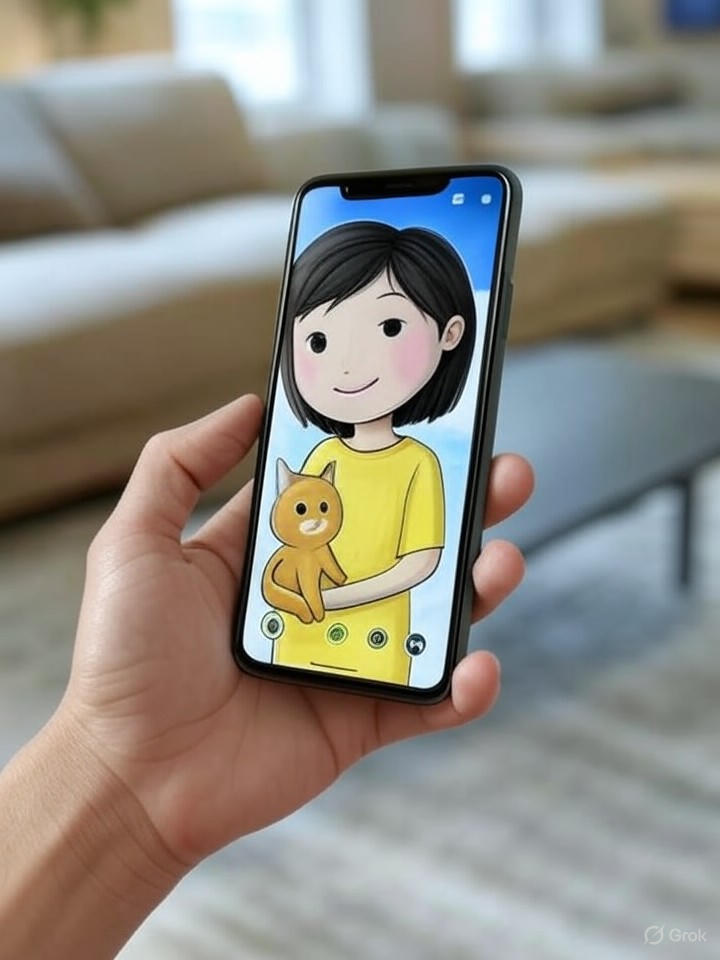
OpenAI has unveiled a series of updates to its Sora video-generation app, marking a significant evolution in how users can create and manipulate AI-driven content. The new features include the ability to create reusable “characters” from almost any source, such as pets, stuffed toys, or even doodles, which can then be inserted into videos as avatars. This development, detailed in a recent report by The Verge, positions Sora as a more versatile tool for both casual creators and professional filmmakers, potentially disrupting traditional video production workflows.
Beyond character creation, Sora now supports video stitching, allowing users to combine multiple AI-generated clips into cohesive narratives. This stitching capability addresses previous limitations in the app’s editing suite, enabling smoother transitions and more complex storytelling. Industry observers note that these enhancements come at a time when AI video tools are rapidly advancing, with OpenAI aiming to capture a larger share of the creative market dominated by platforms like Adobe and TikTok.
Legal Turbulence Amid Innovation: The Cameo Lawsuit and Its Implications for AI Branding
The updates have not been without controversy, as celebrity video service Cameo has filed a lawsuit against OpenAI, alleging trademark infringement over Sora’s “cameo” feature. According to coverage in The Verge, Cameo argues that the term “cameo” in Sora’s context—where users can generate AI likenesses of people or objects—directly competes with its business model of personalized celebrity messages. This legal challenge highlights the growing tensions between AI innovators and established brands in the entertainment sector.
OpenAI’s response has been to emphasize the feature’s creative potential, with executives like the head of Sora pointing out its applications for non-human characters, such as turning a user’s dog into a recurring video star. As reported in Gadgets 360, the app is also expanding to Android devices soon, broadening its accessibility and potentially accelerating adoption rates that have already surpassed 1 million downloads in under five days.
Technical Advancements and Market Expansion: From Hyperreal Motion to Global Reach
At the core of these updates is Sora 2, OpenAI’s latest video generation model, which boasts improved physical accuracy, realistic movements, and synchronized audio. Details from OpenAI’s official announcement reveal enhancements in controllable elements, making it easier for users to direct scenes with precision. This builds on the app’s initial launch as a TikTok-like platform, as noted in WIRED, where social sharing features encourage community-driven content creation.
The rollout includes invite-free access and expansion into new markets like Thailand, Taiwan, and Vietnam, according to BGR. For industry insiders, this signals OpenAI’s strategy to democratize AI video tools, reducing barriers that previously limited access to beta testers. However, concerns about deepfakes and misuse persist, especially with features that replicate likenesses so convincingly.
Social and Editing Features: Enhancing User Engagement in a Competitive Arena
Sora’s new social feed has been optimized for faster loading and better discovery, fostering a more interactive environment reminiscent of short-form video giants. TechCrunch highlights how these changes, combined with basic editing tools, allow users to refine AI outputs in-app, minimizing the need for external software. This could appeal to content creators seeking efficiency in fast-paced production cycles.
Moreover, the character cameo system extends to original personas, enabling users to craft persistent digital identities. As explained in OpenAI’s Help Center, users control who can access these cameos, adding a layer of privacy amid rising ethical debates. Analysts suggest this positions Sora not just as a generator but as a full-fledged ecosystem for AI-enhanced storytelling.
Future Prospects and Industry Ripples: Balancing Creativity with Responsibility
Looking ahead, OpenAI’s push into pet cameos and object avatars, as teased in India Today, could open doors for novel applications in marketing and education. Yet, the lawsuit from Cameo underscores potential pitfalls, with Reuters reporting on the federal court’s involvement, which may set precedents for AI trademark disputes.
For tech executives and creators, these developments underscore OpenAI’s aggressive roadmap under CEO Sam Altman, who has navigated internal upheavals to steer the company toward broader AI integration. As Sora evolves, it may redefine content creation, but stakeholders must weigh innovation against regulatory and ethical hurdles to ensure sustainable growth in this dynamic field.


 WebProNews is an iEntry Publication