
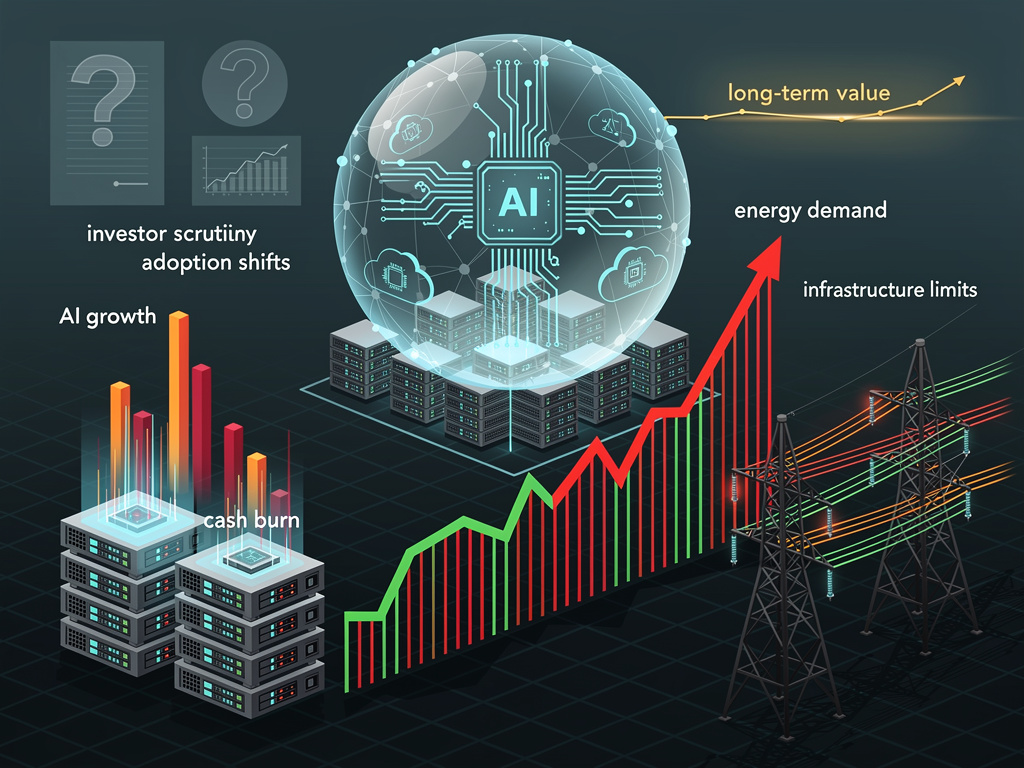
At a time when artificial intelligence valuations soar into the trillions, OpenAI board chair Bret Taylor delivered a sobering assessment: the sector is probably in a bubble, poised for a correction in the coming years. Speaking at the CNBC tech conference in San Francisco on Thursday, Taylor, who also leads enterprise-software startup Sierra, likened the current frenzy to past tech manias but stressed the free market would sort winners from losers.
“I think we’re probably in a bubble,” Taylor said, according to CNBC. He anticipates a shakeout that will reward companies with superior products, echoing sentiments from OpenAI CEO Sam Altman. Taylor’s remarks come amid explosive growth for OpenAI, which reported annualized revenue exceeding $10 billion, yet faces scrutiny over massive cash burn and infrastructure demands.
Industry observers note Taylor’s position atop OpenAI lends weight to his views, even as the company pushes boundaries with models like GPT-5. His comments signal caution to investors pouring billions into AI startups, hyperscalers and chip makers.
Bubble Echoes from Dot-Com Days
Taylor drew parallels to the dot-com era, where hype outpaced delivery, leading to widespread failures but eventual transformation. “The free market will ultimately determine where the value is and which AI players have the best products,” he told the audience, per CNBC. Unlike pure speculation, he argued AI’s underlying progress in compute and models justifies much of the investment, though excess will unwind.
This isn’t Taylor’s first foray into bubble talk. In September 2025, he told TechCrunch the sector was in a bubble but that was fine, predicting massive economic value akin to the internet boom. Fortune reported him doubling down, warning “a lot of people will lose a lot of money” but foreseeing economy-wide gains.
OpenAI’s High-Stakes Path Forward
OpenAI enters 2026 under pressure. The Economist described it as one of history’s fastest-growing firms in a perilous spot, with cash burn projected to hit billions quarterly on training runs and data centers. CFO Sarah Friar emphasized “practical adoption” this year in a CNBC interview, signaling a shift from raw innovation to revenue-generating uses.
Recent moves include rolling out ChatGPT Go, a low-cost tier, and testing ads, as announced in OpenAI posts on X. The company also launched Horizon 1000 with the Gates Foundation for African health clinics. Yet, compute scarcity looms large, with Friar and Vinod Khosla discussing surging demand on the OpenAI Podcast.
Analysts flag warning signs. PCWorld listed eight: circular investments, slowing revenues, energy constraints and consumer fatigue. A CNBC chart captured divided opinions among 40 tech leaders.
Valuation Frenzy Meets Reality Check
OpenAI’s own trajectory fuels debate. A New York Times opinion piece affirmed AI’s promise but warned prominent firms like OpenAI might fail amid financing strains. The Economist highlighted cash burn as 2026’s key question, with costs for Nvidia GPUs and power outstripping revenue growth.
Taylor remains optimistic long-term. “AI will transform the economy,” he said in the 2025 Fortune piece. Recent X sentiment echoes this, with posts from OpenAI touting age verification, global rollouts and partnerships, though no direct response to Taylor’s latest comments.
Hyperscalers like Microsoft, Amazon and Google continue capex sprees, betting on AI infrastructure. Nvidia’s dominance persists, but alternatives emerge amid bubble fears.
Investor Implications and Market Signals
For VCs and public markets, Taylor’s words urge diligence. AI stocks have surged, but corrections loom if ROI disappoints. PCWorld noted energy limits could cap growth, with U.S. grids straining under data center loads.
OpenAI’s board, with Taylor at the helm since the 2023 Altman saga, prioritizes stability. Recent X posts confirm focus on safeguards like teen experiences and ad transparency tests in the U.S.
Competitors like Anthropic and xAI face similar pressures, but OpenAI leads in adoption. Friar’s push for monetization via ads and subscriptions aims to stem losses.
Path Through the Trough
History offers lessons. Post-dot-com, survivors like Amazon thrived. Taylor expects the same: a purge yielding giants. OpenAI’s $157 billion valuation hinges on delivering AGI-like capabilities profitably.
Regulators watch closely, with antitrust probes into Big Tech AI deals. Energy policy debates intensify as AI power needs rival small countries.
As 2026 unfolds, Taylor’s prediction tests the sector’s mettle, separating transformative tech from froth.


 WebProNews is an iEntry Publication