
The Enigmatic Scribble: Unraveling OpenAI’s Venture into AI Hardware with Jony Ive
In the bustling world of artificial intelligence, where software has long reigned supreme, a surprising pivot toward tangible gadgets is capturing the imagination of tech enthusiasts and investors alike. OpenAI, the San Francisco-based company behind ChatGPT, has been quietly forging a path into hardware, partnering with legendary designer Jony Ive, formerly of Apple fame. Recent leaks suggest this collaboration might culminate in an AI-powered pen, a device that could redefine how we interact with technology in everyday scenarios. This development comes amid a broader push by AI firms to embed their intelligence into physical forms, moving beyond apps and cloud services.
The partnership traces back to whispers in 2023, but it gained momentum when Ive confirmed his involvement in September 2024. Ive, who left Apple in 2019 to found his design firm LoveFrom, brings a pedigree of creating iconic products like the iPhone and iMac. His alliance with OpenAI CEO Sam Altman signals an ambition to craft hardware that isn’t just functional but evokes emotion and simplicity. According to reports, the project began as exploratory discussions rooted in friendship and shared visions, evolving into a full-fledged company named “io” – though that name has since hit legal snags.
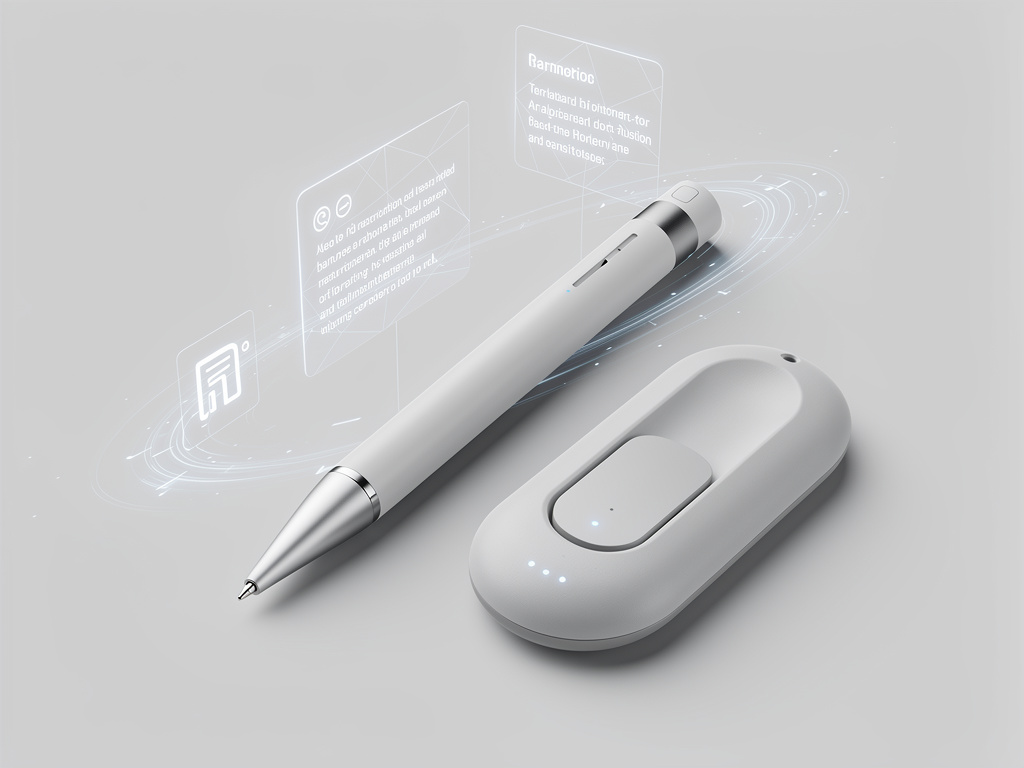
Details about the device remain shrouded in secrecy, but a tip from reliable leaker Evan Spiegel, shared via social media, points to a pen-like form factor. This isn’t your ordinary stylus; imagine a writing instrument infused with AI capabilities, perhaps transcribing notes in real-time, suggesting edits, or even generating content based on scribbles. Such a tool could appeal to professionals in creative fields, educators, or anyone jotting down ideas on the fly, blending the tactile satisfaction of pen and paper with digital smarts.
From Concept to Prototype: The Evolution of an Idea
The timeline for this venture has been marked by incremental revelations. In May 2025, a letter from Altman and Ive, published on OpenAI’s website, described how tentative ideas grew into tangible designs. They assembled a dream team including hardware engineers, physicists, and product experts, founding the entity “io” about a year prior. This new company aimed to celebrate human achievement through tools that enhance learning and creation, evoking a sense of optimism absent in today’s gadget-saturated lives.
By November 2025, executives confirmed the existence of initial prototypes. In an interview hosted by Laurene Powell Jobs, Altman and Ive revealed that a prototype was already in hand, with plans to unveil the device within two years. Altman teased a “calmer vibe” compared to the frenetic nature of smartphones, hinting at a design philosophy that prioritizes mindfulness over constant connectivity. This aligns with Ive’s history of minimalist aesthetics, where form serves function without overwhelming the user.
However, not all has been smooth sailing. Legal hurdles emerged when AI audio startup iyO sued over the “io” branding, claiming similarity to its own name. A U.S. appeals court upheld a temporary restraining order in December 2025, as reported by MacRumors, barring OpenAI and Ive’s venture from using “io” for similar products. This setback underscores the competitive tensions in the AI hardware space, where naming rights can derail even the most promising projects.
Leaked Insights and Speculative Designs
Fresh leaks in late December 2025 have fueled speculation. A tipster cited in Android Authority claims the hardware could manifest as an AI-enabled pen, a pocketable gadget that integrates seamlessly into daily routines. This description evokes images of a sleek, ergonomic tool that might use sensors to detect handwriting, convert it to digital text, and leverage OpenAI’s models for enhancements like summarization or translation. Posts on X (formerly Twitter) from industry analysts echo this, with some suggesting it could be a wearable or pin-like device, though the pen form seems to dominate recent chatter.
Further details from The Verge describe the device as “playful” and screenless, a deliberate departure from the addictive screens of modern smartphones. Altman has positioned this as an alternative that fosters a more serene interaction with AI, potentially using voice commands, haptic feedback, or even e-ink displays for minimalism. This approach could address growing concerns about screen fatigue and digital overload, appealing to a market hungry for balanced tech integration.
Industry insiders speculate on the technical underpinnings. OpenAI’s exploration of smaller AI models and custom chips, as noted in a Reuters newsletter, suggests the pen might run lightweight versions of models like GPT, enabling on-device processing without constant cloud reliance. This would enhance privacy and speed, crucial for a portable gadget. Posts on X from supply chain experts, such as analyst Ming-Chi Kuo, indicate mass production might begin in 2027, with assembly shifting to Vietnam to mitigate geopolitical risks – a prudent move in an era of trade uncertainties.
Competitive Pressures and Strategic Shifts
Altman’s vision extends beyond a single device; he sees Apple as OpenAI’s chief rival in AI, according to WebProNews. By recruiting Ive, who shaped Apple’s design ethos, OpenAI aims to challenge the iPhone’s dominance with hardware that embeds AI at its core. This comes ironically after OpenAI’s deal to integrate ChatGPT into Apple’s ecosystem, highlighting Altman’s strategic maneuvering. The pen could serve as an entry point, disrupting how we capture and process information in professional settings.
Broader market dynamics play a role too. Competitors like Humane and Rabbit have attempted AI wearables with mixed success, often criticized for overpromising on functionality. OpenAI’s effort, backed by Ive’s expertise, might avoid those pitfalls by focusing on a niche like note-taking. A Gizmochina roundup notes the device as a calmer alternative to smartphones, potentially incorporating audio features for dictation or reminders, blending pen functionality with subtle AI assistance.
Legal and production challenges aside, funding appears robust. OpenAI’s collaboration with Ive’s LoveFrom has attracted significant investment, with prototypes signaling progress toward commercialization. An AppleInsider report from November 2025 confirms LoveFrom’s role in prototyping, aiming for a 2027 launch. This timeline allows refinement, ensuring the device isn’t rushed to market like some predecessors.
Innovation at the Intersection of Design and AI
Delving deeper, the pen concept represents a fusion of analog and digital worlds. Imagine sketching a diagram, and the AI instantly refines it into a professional graphic, or jotting meeting notes that auto-generate action items. Such features could transform workflows in industries from journalism to architecture, where quick ideation meets intelligent augmentation. Drawing from Ive’s Apple legacy, the design might emphasize premium materials like aluminum or recycled alloys, with ergonomic grips for prolonged use.
Critics, however, question the practicality. Will users abandon traditional pens or existing styluses like the Apple Pencil? Posts on X reflect mixed sentiment: excitement from tech optimists, skepticism from those wary of another gadget fad. Yet, OpenAI’s track record with accessible AI could make this a hit, especially if priced affordably – rumors suggest under $200, though unconfirmed.
Ethically, embedding AI in everyday tools raises privacy concerns. How will data from handwritten notes be handled? OpenAI has emphasized user control in past products, but hardware introduces new vulnerabilities. Regulators might scrutinize such devices, particularly if they process sensitive information on-device.
Future Implications for AI Hardware
Looking ahead, this project could herald a new era where AI hardware becomes as ubiquitous as smartphones. If successful, the pen might evolve into a family of devices, from wearables to home assistants, all unified by OpenAI’s ecosystem. Altman’s comments in a CNBC piece underscore a focus on humane technology, countering the addictive pull of current gadgets.
Industry watchers on platforms like Reddit’s r/singularity subreddit, as per a July 2025 thread, debate the pen’s potential to accelerate human-AI symbiosis. It aligns with broader trends toward ambient computing, where intelligence permeates without demanding attention.
Ultimately, OpenAI’s foray with Ive tests whether software giants can master hardware. Success could redefine personal computing, making AI as intuitive as putting pen to paper. As prototypes advance and leaks continue, the tech world watches closely, anticipating a device that might just rewrite the rules of innovation.


 WebProNews is an iEntry Publication