
OnePlus has built its name on delivering flagship performance at prices that sting less than the competition. Yet the whispers around its next device suggest something different this time. Not just faster hardware. Not just bigger numbers. An accelerated timeline that could upend the usual fall release rhythm.
Spec Sheets Swell While Questions Mount
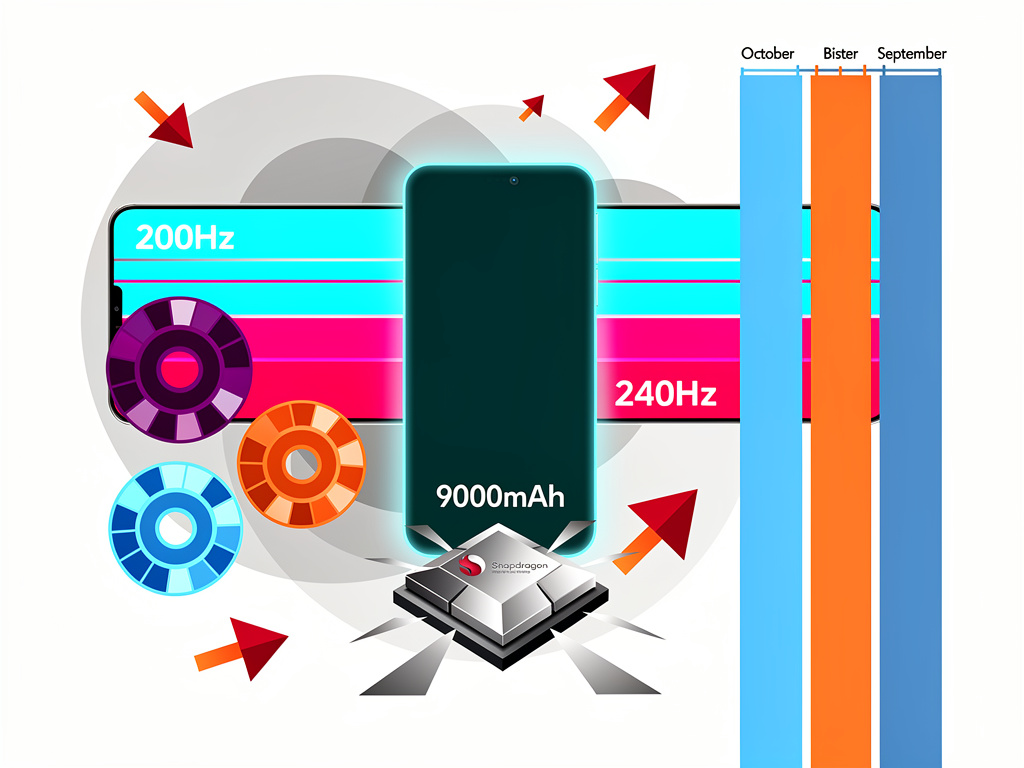
Leaked details paint the OnePlus 16 as a device chasing every extreme. A battery that stretches toward 9,000mAh. A display that could hit 240Hz. Cameras swapping between 200MP main or 200MP telephoto configurations depending on which tipster you trust. And underneath it all, the Snapdragon 8 Elite Gen 6 Pro paired with next-generation LPDDR6 memory. These aren’t incremental steps. They read like a manufacturer determined to dominate benchmark charts.
But here’s the twist. Development appears to be moving quicker than expected. Regulatory filings and product schedules have been accelerated, according to multiple industry voices on X. OnePlus 16 and sister device iQOO 16 could reach consumers in September rather than the more typical October or November window. Android Authority first highlighted this potential early launch based on fresh leaks, noting the brand’s pattern of China-first releases followed quickly by global availability.
And the camera debate refuses to settle. Earlier reports pointed to a 50MP primary sensor joined by a 200MP periscope telephoto with 3x optical zoom. Then Digital Chat Station, the prolific Weibo leaker, offered a different picture. A 200MP main camera. A 50MP periscope. A 50MP ultrawide. GSMArena reported the shift just yesterday, underscoring how fluid these early details remain. One setup prioritizes primary sensor resolution for everyday shots. The other bets on zoom prowess.
Battery talk generates equal heat. The 9,000mAh figure, tied to new Glacier Battery technology in some accounts, would dwarf most current flagships. Pair that with 120W wired and 50W wireless charging and you get a phone that promises fewer anxious glances at the battery indicator. Android Police examined these claims in May and wondered aloud whether such ambition reflects confidence or desperation. The publication noted parallel rumors of OnePlus scaling back operations in the US, EU, and UK. If true, the OnePlus 16 might arrive as one of the brand’s final broad global efforts.
Display rumors add another layer. BOE-sourced LTPO OLED panels measuring around 6.78 or 6.8 inches. Resolutions in the 1.5K range. Refresh rates starting at 165Hz or 185Hz but with prototypes reportedly reaching 240Hz. Smoothness matters. Yet industry observers question whether consumers notice the difference past 120Hz in daily use. Still, the spec sheet wins headlines. And OnePlus has long played that game.
So why push the schedule? Competition in China grows fiercer by the quarter. Xiaomi, vivo, and Oppo all eye September windows for their own 2026 flagships. Apple looms with its iPhone 18 series. A tipster cited by Gizmochina today suggested accelerated development across OnePlus and iQOO lines could trigger an earlier clash. September suddenly looks crowded.
Storage and RAM follow the flagship script. UFS 5.0 or better. Generous options that reach 1TB in some projections. The signature Plus Key returns for customizable shortcuts. IP68, IP69, and even IP69K ratings appear in certain leaks, signaling stronger dust and water resistance than before.
Yet uncertainty lingers over availability. Android Headlines warned in January that the device might skip the US market entirely amid reports of corporate restructuring. Market share in India has slipped. Europe faces potential withdrawal. These factors don’t kill the product. They reshape its ambitions. A China-focused powerhouse that still influences the broader Android conversation through its component choices and aggressive targets.
OnePlus 15 launched with surprising speed last year. China debut in late October 2025, global availability just weeks later. The company has proven it can move fast when conditions align. This time the conditions include prototype testing that has already revealed multiple camera configurations and display variants. Leaks surface earlier because progress has accelerated. Simple as that.
Critics point out the arms race problem. 240Hz displays sound impressive until you realize most content and games don’t demand it. A 9,000mAh cell adds weight and thickness unless the chassis shrinks elsewhere. And camera megapixels only tell part of the story. Processing, stabilization, and software tuning determine real-world results. OnePlus knows this. Its history shows a willingness to trade pure numbers for features users actually notice, like alert sliders and clean software.
Still, the company appears all-in. Snapdragon’s next elite platform on 2nm process. Memory speeds that outpace current standards. Charging that refills the massive battery in minutes. These choices suggest OnePlus wants the 16 series to stand out not through one breakthrough but through sheer accumulation of advantages.
Watch the next few months closely. More filings will surface. Additional leaks will refine or contradict what’s known today. By September, if the accelerated timeline holds, OnePlus could unveil its most extreme phone yet. Whether that earns it renewed attention or simply adds another data point in the spec sheet wars remains to be seen. The numbers look big. The calendar just got smaller.


 WebProNews is an iEntry Publication