
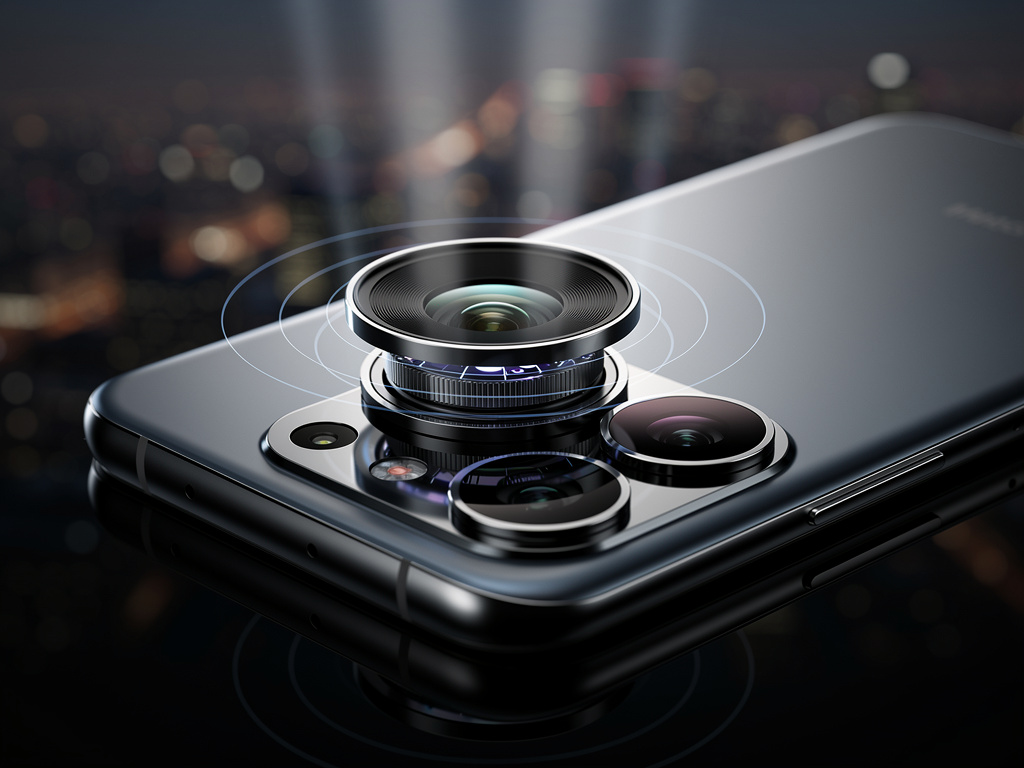
OnePlus 16’s Camera Leap: A Potential Game-Changer in Smartphone Imaging
In the fast-paced world of smartphone innovation, OnePlus has long been recognized for delivering high-performance devices at competitive prices, but its camera systems have often lagged behind rivals like Samsung and Google. Recent leaks suggest that the upcoming OnePlus 16 could address these persistent shortcomings with a significant upgrade, potentially featuring a 200-megapixel sensor. This development comes at a time when consumers are increasingly demanding professional-grade photography capabilities from their mobile devices, pushing manufacturers to invest heavily in imaging technology.
According to reports from various tech outlets, the OnePlus 16 is rumored to borrow camera hardware from its sister company Oppo’s Find N6, including that headline-grabbing 200MP sensor. This move isn’t entirely surprising given the shared parent company, BBK Electronics, which facilitates technology sharing between brands. Insiders note that while the OnePlus 15 introduced some improvements, it still fell short in areas like zoom quality and low-light performance, leaving fans vocal about their dissatisfaction on social media platforms.
Drawing from a detailed analysis in Android Central, the anticipated upgrade could finally resolve complaints that have plagued OnePlus devices for years. The article highlights how previous models struggled with color accuracy and detail in zoomed shots, issues that competitors have mitigated through advanced computational photography. If these rumors hold true, the OnePlus 16 might elevate the brand’s standing in the premium segment, where camera prowess often determines market success.
Pushing Boundaries with Megapixel Might
The shift to a 200MP sensor represents more than just a numbers game; it’s about enhancing real-world usability. High-resolution sensors allow for better cropping and digital zoom without significant loss in quality, which could be a boon for photography enthusiasts. Leaks indicate this sensor might be paired with a periscope telephoto lens, enabling superior optical zoom capabilities that OnePlus has historically underdelivered on.
Beyond hardware, software optimizations will likely play a crucial role. OnePlus has been collaborating with imaging experts like Hasselblad to refine its camera algorithms, a partnership that began with earlier flagships. This could mean improved image processing for dynamic range and noise reduction, addressing feedback from users who found the OnePlus 15’s output inconsistent in challenging lighting conditions.
Industry analysts point out that this upgrade aligns with broader trends in mobile photography, where megapixel counts are soaring to meet demands for ultra-detailed captures. However, as noted in reports from GSMArena, the true test will be how OnePlus integrates this hardware with its OxygenOS software to deliver seamless performance without draining battery life excessively.
From Leaks to Launch Expectations
Tipsters like Digital Chat Station, known for reliable insights into Chinese smartphone developments, have fueled much of the speculation. Their posts on platforms such as Weibo suggest the OnePlus 16 could debut late in 2026, following the Oppo Find N6’s release. This staggered approach allows OnePlus to refine the technology based on initial feedback from Oppo’s foldable.
Fan sentiment, as gleaned from recent posts on X (formerly Twitter), reflects a mix of excitement and skepticism. Many users express hope that this camera revamp will make OnePlus competitive with Apple’s iPhone series, which has set benchmarks in video stabilization and portrait modes. Yet, some remain cautious, recalling past promises that didn’t fully materialize.
In a piece from HT Tech, experts discuss how the 200MP sensor might improve zoom performance, potentially offering up to 10x hybrid zoom with minimal degradation. This could position the OnePlus 16 as a strong contender for users prioritizing telephoto capabilities, such as wildlife photographers or sports enthusiasts using their phones on the go.
Competitive Pressures and Market Dynamics
The smartphone market is intensely competitive, with brands like Xiaomi and Vivo also ramping up their camera tech. OnePlus’s potential adoption of a 200MP sensor could help it stand out, especially in emerging markets where price-sensitive consumers seek value-packed devices. However, success hinges on more than just specs; user experience, including intuitive camera apps and AI-driven features, will be key.
Historical context shows OnePlus evolving from a “flagship killer” to a premium player, but camera consistency has been a weak link. The OnePlus 15, for instance, received mixed reviews for its imaging, with some praising its macro shots but criticizing overprocessing in portraits. The rumored upgrades in the OnePlus 16 aim to balance these elements, potentially incorporating advanced AI for scene recognition and enhancement.
As detailed in Gadgets 360, the shared hardware with Oppo could streamline production costs, allowing OnePlus to offer these features without a steep price hike. This strategy might appeal to insiders watching how economies of scale influence innovation in the tech sector.
Technological Synergies and Future Implications
Integration with cutting-edge chipsets, such as the rumored Snapdragon 8 Elite Gen 6, could further amplify the camera’s potential. High refresh rates and powerful processors enable faster image processing, which is crucial for burst modes and 8K video recording. Leaks suggest the OnePlus 16 might boast a display with over 200Hz refresh rate, complementing the camera for smoother previews and editing.
On the software front, OxygenOS updates have increasingly focused on photography tools, including pro modes and raw file support. This evolution reflects OnePlus’s response to community feedback, where users on forums and social media have long requested more manual controls and better post-processing options.
Insights from Android Police emphasize that while the 200MP sensor is exciting, its effectiveness depends on lens quality and sensor size. Larger sensors typically perform better in low light, an area where OnePlus could make strides to match or exceed competitors like Google’s Pixel line.
Fan Expectations and Industry Ripples
Community buzz on X indicates high anticipation, with users sharing wish lists that include better video stabilization and expanded dynamic range. Some posts highlight how previous OnePlus models excelled in speed but faltered in creative photography, prompting calls for a more holistic upgrade.
This camera focus could ripple through the industry, pressuring other manufacturers to accelerate their own innovations. For instance, Samsung’s Galaxy series has dominated with its zoom tech, but a competitive OnePlus offering might force price adjustments or feature enhancements across the board.
According to True Tech, the combination of display and camera upgrades positions the OnePlus 16 as a multimedia powerhouse, ideal for content creators who rely on their phones for both capture and consumption.
Strategic Partnerships and Development Insights
The Hasselblad collaboration continues to be a cornerstone of OnePlus’s camera strategy, bringing professional color science to consumer devices. This partnership, which started with the OnePlus 9 series, has progressively improved natural color reproduction, and the OnePlus 16 could see its most advanced implementation yet.
Development timelines suggest rigorous testing phases, with prototypes likely incorporating feedback from beta users. Insiders familiar with BBK’s operations note that cross-brand R&D sharing accelerates progress, reducing time to market for cutting-edge features.
In coverage from 91mobiles, details emerge about the periscope lens’s potential for enhanced optical performance, which could minimize distortions in long-range shots and improve overall image fidelity.
Balancing Innovation with Practicality
While high-megapixel sensors promise stunning detail, they also demand substantial storage and processing power. OnePlus may need to optimize file compression and cloud integration to make these features user-friendly without overwhelming device resources.
Battery life remains a concern, as advanced cameras can be power-hungry. Rumors point to larger batteries or more efficient chipsets to mitigate this, ensuring that users can shoot extensively without frequent recharges.
From a broader perspective, as reported in The Financial Express, this upgrade could help OnePlus capture a larger share of the premium market, where imaging quality often sways purchasing decisions.
Evolving User Needs and Technological Horizons
As smartphones become primary cameras for many, features like AI-enhanced editing and real-time filters are gaining traction. The OnePlus 16 might incorporate such tools, building on the foundation laid by its predecessors to offer a more versatile shooting experience.
Looking ahead, this camera overhaul could set the stage for future innovations, such as under-display sensors or advanced computational arrays. Industry watchers anticipate that OnePlus’s moves will influence mid-range devices as well, democratizing high-end photography.
Posts on X from tech enthusiasts underscore a growing demand for devices that blend affordability with top-tier capabilities, positioning the OnePlus 16 as a potential disruptor in this space.
The Road Ahead for OnePlus Imaging
Ultimately, the success of the OnePlus 16’s camera will be measured by real-world reviews and user adoption. If it delivers on the hype, it could solidify OnePlus’s reputation as an innovator rather than just a value player.
Comparisons with the OnePlus 15, as explored in India Herald, highlight incremental yet meaningful improvements, from sensor size to software tweaks, that could cumulatively transform the user experience.
For industry insiders, this development signals OnePlus’s commitment to closing the gap with leaders in mobile photography, potentially reshaping competitive dynamics in the coming years.


 WebProNews is an iEntry Publication