
OBS Studio’s Beta Leap: Audio Mastery and Streaming Evolution in Version 32.1
In the fast-paced world of content creation and live broadcasting, software tools like OBS Studio continue to push boundaries, offering creators the means to produce professional-grade streams and recordings without hefty costs. The recent beta release of OBS Studio 32.1.0, announced on GitHub, marks a significant step forward, introducing enhancements that address long-standing user requests and integrate cutting-edge technologies. This update, available for testing since early 2026, focuses heavily on refining audio handling and expanding compatibility with modern streaming protocols, potentially reshaping how broadcasters manage their setups.
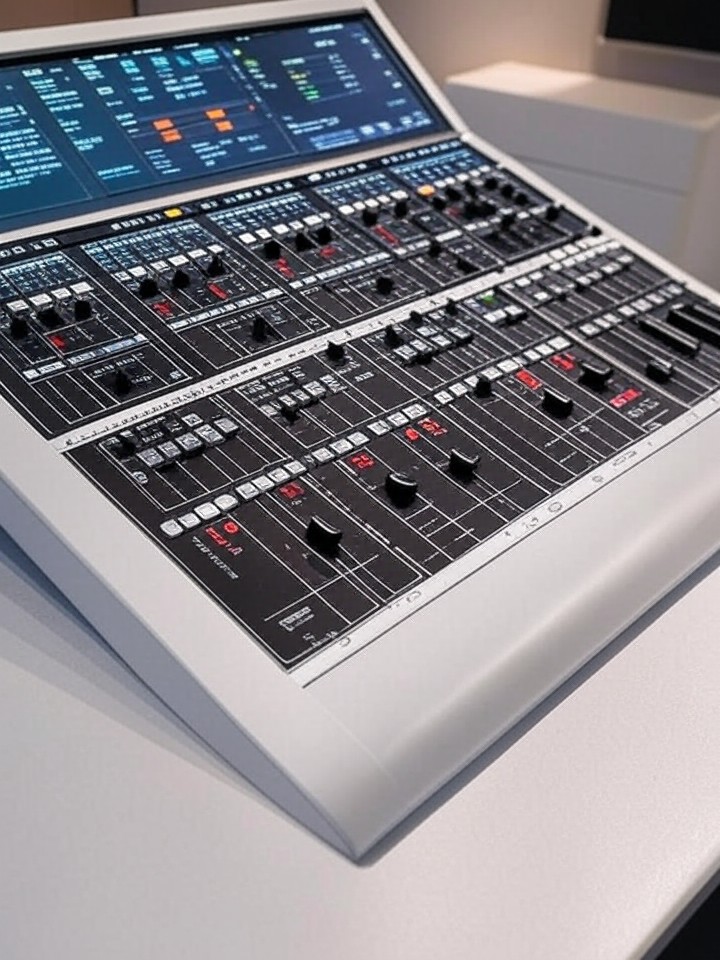
At the core of this beta is a revamped audio mixer, a feature that has been eagerly anticipated by the community. According to the release notes on GitHub, the new mixer provides a more intuitive interface for managing multiple audio sources, allowing for precise control over levels, effects, and routing. This overhaul isn’t just cosmetic; it includes improved performance metrics, such as real-time waveform visualizations and enhanced metering, which help users avoid clipping and ensure balanced soundscapes during live sessions. For industry professionals who rely on OBS for everything from gaming streams to corporate webinars, this means fewer post-production headaches and more reliable output.
Beyond audio, the beta introduces simulcast support for WebRTC, enabling broadcasters to stream to multiple platforms simultaneously without the need for third-party tools. This feature leverages WebRTC’s low-latency capabilities, making it ideal for interactive content like live Q&A sessions or collaborative events. Early testers have noted its seamless integration, which could reduce the complexity of multi-platform broadcasting setups that previously required cumbersome workarounds.
Enhancing User Interfaces and Workflow Efficiency
One of the standout additions in this beta is the redesigned “Add Source” dialog, which streamlines the process of incorporating new elements into scenes. As detailed in coverage from 9to5Linux, this update organizes sources into categories with search functionality, making it easier for users to find and add components like video captures, browsers, or text overlays. This is particularly beneficial for newcomers to OBS, who often struggle with the software’s steep learning curve, but it also aids veterans by speeding up iterative workflows in high-pressure environments.
The beta also fills gaps in functionality by adding missing undo/redo actions for scene items. Previously, certain modifications, such as repositioning elements or adjusting filters, couldn’t be easily reverted, leading to potential errors in complex setups. Now, with comprehensive undo support, creators can experiment more freely, knowing they can backtrack without losing progress. This ties into broader improvements in stability, including bug fixes for issues like audio desynchronization that plagued earlier versions.
Feedback from the community, as seen in posts on X (formerly Twitter), highlights the excitement around these changes. Users have praised the beta for its focus on usability, with one prominent developer noting how the audio mixer overhaul could “squash bugs before full release,” emphasizing the importance of community testing. Such sentiments underscore OBS Studio’s open-source ethos, where user input directly influences development.
Technical Deep Dive into Audio Innovations
Diving deeper into the audio mixer, the beta incorporates advanced features like per-source effects chains and improved integration with virtual audio cables. This allows for sophisticated setups, such as routing game audio separately from voice chat, which is crucial for esports commentators or podcasters. The mixer’s new docking options enable it to be detached and resized, providing flexibility for multi-monitor workflows common among professional streamers.
On the WebRTC front, the simulcast support builds on OBS’s existing streaming capabilities, adding layers of efficiency. It supports adaptive bitrate streaming, which dynamically adjusts quality based on network conditions, ensuring smoother broadcasts even on unstable connections. This is a boon for mobile creators or those in regions with variable internet reliability, expanding OBS’s reach beyond traditional desktop users.
Moreover, the beta includes updates to codec handling, with enhancements to AV1 support that promise better compression and quality for recordings. As reported in Neowin, these changes align with broader industry shifts toward efficient video formats, positioning OBS as a forward-thinking tool in an era where 4K and higher resolutions are becoming standard.
Community and Development Insights
The development process for OBS Studio 32.1.0 beta reflects a collaborative effort, with contributions from a global team of volunteers. The GitHub repository shows commits addressing everything from UI tweaks to backend optimizations, demonstrating the project’s commitment to iterative improvement. This beta phase, as encouraged in forums like OBS Project’s own discussion boards, invites users to report issues, ensuring the final release is polished.
Comparisons to previous versions reveal a pattern of progressive enhancement. For instance, while version 32.0 introduced a plugin manager, as covered by GamingOnLinux, this new beta builds on that foundation by integrating plugin compatibility checks into the updated interfaces. This continuity helps maintain user trust, as creators can upgrade without fearing disruptions to their established pipelines.
Industry insiders point out that these updates come at a pivotal time, with competition from tools like Streamlabs OBS and XSplit intensifying. By focusing on core functionalities like audio and streaming protocols, OBS maintains its edge as a free, open-source alternative that’s highly customizable.
Potential Impacts on Streaming Practices
For broadcasters, the new features could transform daily operations. Imagine a Twitch streamer using the enhanced audio mixer to layer sound effects dynamically during a live show, or a YouTube creator employing WebRTC simulcast to push content to multiple channels without additional software. These capabilities lower barriers to entry, democratizing high-quality production.
Testing reports from X users indicate early bugs, such as occasional crashes during source addition, but the community’s rapid feedback loop suggests quick resolutions. One post from a verified OBS account echoed calls for testing, mirroring the project’s history of responsive updates, like the HDR improvements in version 30.1.
Furthermore, the beta’s emphasis on cross-platform consistency—supporting Windows, macOS, and Linux—ensures broad accessibility. As highlighted in BetaNews, this inclusivity is key in a diverse ecosystem where creators use varying hardware.
Broader Technological Context and Future Directions
Placing this release in a wider context, OBS Studio’s evolution mirrors advancements in real-time communication technologies. WebRTC’s integration aligns with trends in decentralized streaming, potentially paving the way for peer-to-peer broadcasting innovations. Analysts predict that as 5G networks proliferate, tools like OBS will need to adapt to even lower latencies and higher data throughputs.
The audio overhauls also respond to user demands for better integration with external hardware, such as mixers from brands like Rode or Elgato. This could foster partnerships or ecosystem expansions, where OBS becomes the central hub in professional setups.
Looking ahead, the beta’s changelog hints at ongoing work on features like AI-assisted scene switching, though not yet implemented. Community discussions on platforms like Reddit and X speculate on how these could further automate workflows, reducing the manual oversight required in long-form streams.
Challenges and Considerations for Adoption
Despite the enthusiasm, adopting a beta version carries risks. The OBS forums warn of potential instability, advising backups of scene collections. For enterprise users, such as those in media production houses, this means cautious testing in non-critical environments before full deployment.
Cost-wise, OBS remains free, but the time investment in learning new interfaces could be a hurdle. Training resources, including tutorials from the official wiki, will be essential for smooth transitions.
In terms of security, the update includes patches for vulnerabilities in dependency libraries, enhancing overall robustness. This is critical as streaming software often handles sensitive data like API keys for platform integrations.
Voices from the Field and Expert Opinions
Industry experts, including streamers with millions of followers, have weighed in on X, praising the beta’s focus on audio fidelity. One developer shared insights into the mixer’s waveform accuracy, noting its superiority over competitors in real-time monitoring.
Publications like VideoCardz have analyzed the technical merits, emphasizing NVIDIA RTX optimizations that complement the new features for GPU-accelerated encoding.
Echoing these views, a post from an open-source news aggregator on X highlighted the beta’s promise for Linux users, where audio handling has historically lagged behind Windows counterparts.
Strategic Implications for Content Creators
Strategically, this beta positions OBS Studio as a leader in adaptive streaming technologies. By supporting simulcast, it enables creators to maximize audience reach without fragmenting their efforts across multiple apps.
For educators and corporate trainers, the improved undo/redo and source management could streamline virtual classroom setups, making OBS a go-to for hybrid learning environments.
As the beta progresses toward stable release, the project’s track record—evident in past updates like version 31.0’s PipeWire integration—suggests a reliable timeline, likely within months.
Reflections on Open-Source Innovation
The open-source model of OBS Studio exemplifies how community-driven development can yield professional tools rivaling commercial offerings. With contributions from diverse backgrounds, the software evolves to meet global needs.
This beta’s features, from audio mastery to protocol expansions, reflect a commitment to innovation without compromising accessibility.
Ultimately, as creators download and test OBS Studio 32.1.0 beta, their input will shape its final form, ensuring it remains a cornerstone of the streaming world for years to come.


 WebProNews is an iEntry Publication