
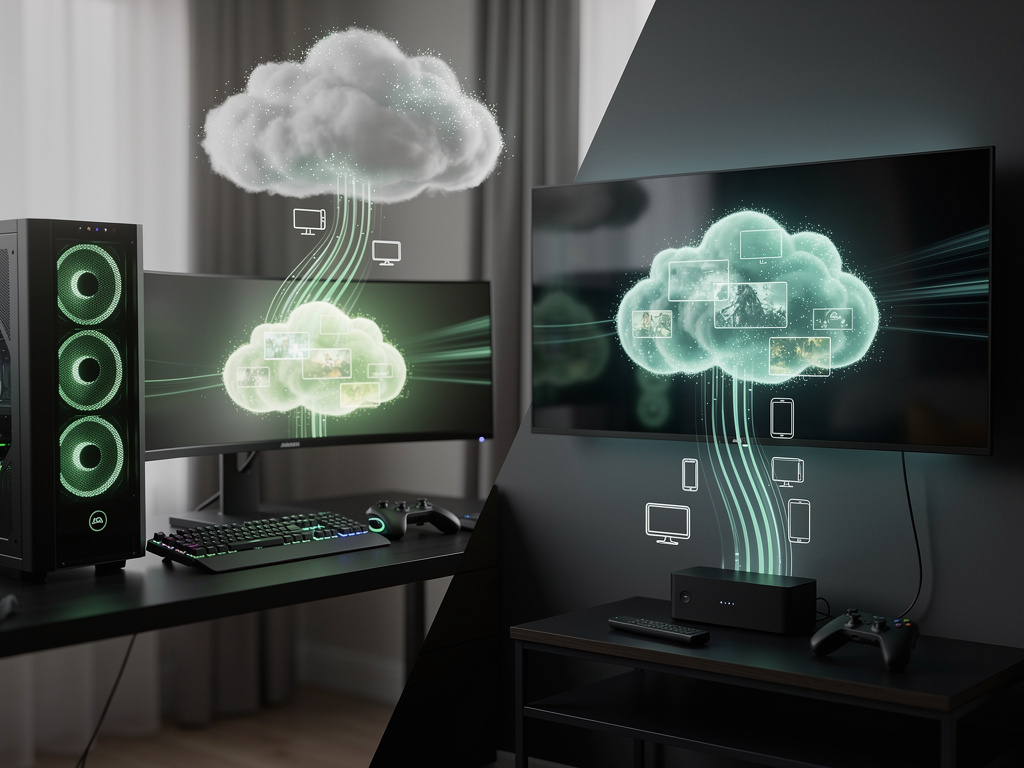
Nvidia’s Cloud Empire Expands: GeForce Now Breaks Barriers with Linux and Fire TV Native Support
Nvidia Corp. is pushing the boundaries of cloud gaming with its latest announcements, introducing native applications for Linux and Amazon’s Fire TV devices to its GeForce Now service. This move comes at a pivotal time when streaming technology is evolving rapidly, aiming to capture a broader audience beyond traditional PC and mobile users. By integrating these platforms, Nvidia is not only addressing long-standing requests from the gaming community but also positioning itself as a versatile player in the competitive arena of remote gameplay.
The announcements were made amid the buzz of the CES 2026 trade show, where tech giants unveil innovations that could reshape user experiences. GeForce Now, which allows gamers to stream high-end titles without needing powerful local hardware, has been a cornerstone of Nvidia’s software ecosystem. Until now, Linux users relied on workarounds like web browsers or virtual machines to access the service, often resulting in suboptimal performance. The native app promises to eliminate these hurdles, offering seamless integration and potentially boosting adoption among open-source enthusiasts.
Similarly, the Fire TV app extends GeForce Now’s reach into living rooms, where Amazon’s streaming devices dominate. This development could transform casual gaming on televisions, leveraging Fire TV’s affordability and widespread availability. Industry observers note that this expansion aligns with Nvidia’s strategy to democratize access to premium gaming, especially as hardware costs soar and supply chains remain volatile.
Expanding Horizons in Cloud Gaming
For Linux users, the native support represents a significant victory. Publications like VideoCardz.com reported that Nvidia is preparing to roll out this feature, expanding beyond the current roster of supported platforms. This isn’t just about convenience; it’s a nod to the growing Linux gaming community, which has seen increased traction with devices like the Steam Deck. By providing official tools, Nvidia could lure more developers and users into its fold, fostering a more inclusive environment.
The Fire TV integration, meanwhile, taps into Amazon’s vast ecosystem. According to details from The Verge, the app will enable streaming directly on Fire TV sticks and smart TVs, potentially rivaling services like Amazon Luna. This comes at a time when living-room gaming is surging, with consumers seeking console-like experiences without the hefty price tag. Nvidia’s addition of flight control support further enhances the service, catering to simulation enthusiasts who demand precise inputs.
Beyond these apps, Nvidia is bolstering GeForce Now with expanded peripheral compatibility, including sim controllers. This holistic update underscores the company’s commitment to versatility, ensuring that whether you’re on a desktop or a handheld, the experience remains top-tier. Insiders suggest this could pressure competitors like Microsoft’s Xbox Cloud Gaming to accelerate their own cross-platform efforts.
Strategic Implications for Nvidia’s Ecosystem
Nvidia’s timing couldn’t be better, coinciding with the end-of-life for Windows 10 in 2025, which might drive users toward Linux alternatives. As highlighted in a piece from Neowin, native GeForce Now support could be the tipping point for those refugees seeking robust gaming options on open-source systems. This strategic pivot not only broadens Nvidia’s user base but also strengthens its position in the burgeoning cloud sector, where accessibility is key.
Moreover, the addition of new titles to the GeForce Now library, including high-profile games like those from the 007 series, as mentioned in TechSpot, enriches the service’s appeal. With the RTX 5080 tier now fully rolled out, subscribers gain access to cutting-edge graphics capabilities streamed from the cloud. This tier, powered by Nvidia’s latest hardware, promises ultra-high resolutions and frame rates, making it a compelling option for gamers without top-end rigs.
From a business perspective, these updates could drive subscription growth. GeForce Now operates on a tiered model, with free access for basic use and premium options for enhanced performance. By targeting underserved platforms like Linux and Fire TV, Nvidia is effectively expanding its market without the need for massive hardware investments, a smart play in an era of economic uncertainty.
Community Reactions and Market Sentiment
Sentiment on social platforms reflects excitement about these developments. Posts on X, formerly Twitter, from users and outlets like Cloud Dosage highlight the potential for smoother experiences on devices such as the Steam Deck. One post noted how the native Linux app could make cloud gaming more accessible, echoing broader discussions in gaming forums. This buzz suggests that Nvidia’s announcements are resonating with tech-savvy audiences who value innovation.
Industry analysts are also weighing in. A report from Tom’s Guide points out that this move takes aim at concepts like the Steam Machine, potentially reviving interest in Linux-based gaming hardware. By supporting native apps, Nvidia is indirectly challenging Valve’s dominance in handheld PC gaming, where the Steam Deck has set benchmarks.
Furthermore, the inclusion of flight simulators with dedicated controller support opens doors to niche markets. Enthusiasts who invest in expensive peripherals will appreciate the low-latency streaming, which Nvidia claims rivals local play. This feature, detailed in various CES coverage, positions GeForce Now as more than just a gaming service—it’s evolving into a comprehensive simulation platform.
Technical Underpinnings and Future Prospects
Diving deeper into the technical side, the native Linux app is expected to leverage Nvidia’s proprietary technologies like DLSS for upscaling and Reflex for reduced latency. Sources indicate that this will integrate seamlessly with distributions like Ubuntu, making installation straightforward. For Fire TV, the app will optimize for Android-based systems, ensuring compatibility with a range of devices from budget sticks to high-end TVs.
Nvidia’s broader CES reveals, including new G-Sync monitors with adaptive brightness as covered by The Verge in a separate article, complement these updates. While not directly linked, they illustrate Nvidia’s focus on holistic user experiences across hardware and software. The company’s app ecosystem, including the recently launched unified GPU control center, ties into this narrative of streamlined access.
Looking ahead, insiders speculate that these apps could pave the way for further expansions, perhaps into other operating systems or embedded devices. With the cloud gaming market projected to grow exponentially, Nvidia’s proactive stance could solidify its leadership. Competitors must now respond, potentially accelerating innovations that benefit consumers.
Competitive Dynamics and User Benefits
In the realm of competition, Nvidia’s moves put pressure on rivals. Microsoft’s service, while integrated with Xbox, lacks the same breadth of platform support. Google Stadia’s demise left a void that GeForce Now is filling adeptly. By offering over 3,000 games, as noted in posts from Cloud Dosage on X, Nvidia provides unmatched variety, from AAA titles to indies.
For users, the benefits are tangible. Linux gamers gain official backing, reducing reliance on community hacks. Fire TV owners can elevate their setups without additional hardware, streaming demanding games like Cyberpunk 2077 at high settings. This democratization aligns with broader trends toward subscription-based entertainment, mirroring shifts in video streaming.
Economically, these updates could influence hardware sales. As cloud services mature, the need for expensive GPUs diminishes, potentially impacting Nvidia’s core business. Yet, by owning the cloud infrastructure, the company hedges against this, monetizing its data centers directly through subscriptions.
Innovation and Challenges Ahead
Nvidia isn’t stopping at apps; it’s enhancing core features. The addition of 4K streaming on native apps, a feature rolled out years ago but now optimized for new platforms, ensures visual fidelity. Community feedback, evident in Reddit threads linked from various sources, has driven these changes, showing Nvidia’s responsiveness.
Challenges remain, however. Bandwidth requirements for high-quality streaming can be a barrier in regions with poor internet. Privacy concerns around cloud data also linger, though Nvidia emphasizes secure protocols. Regulatory scrutiny on tech giants could affect expansions, but for now, the momentum is positive.
As GeForce Now evolves, it embodies Nvidia’s vision of gaming unbound by hardware. These native apps mark a milestone, bridging gaps and inviting more players into the fold. With CES 2026 spotlighting such advancements, the future looks promising for cloud enthusiasts.


 WebProNews is an iEntry Publication