
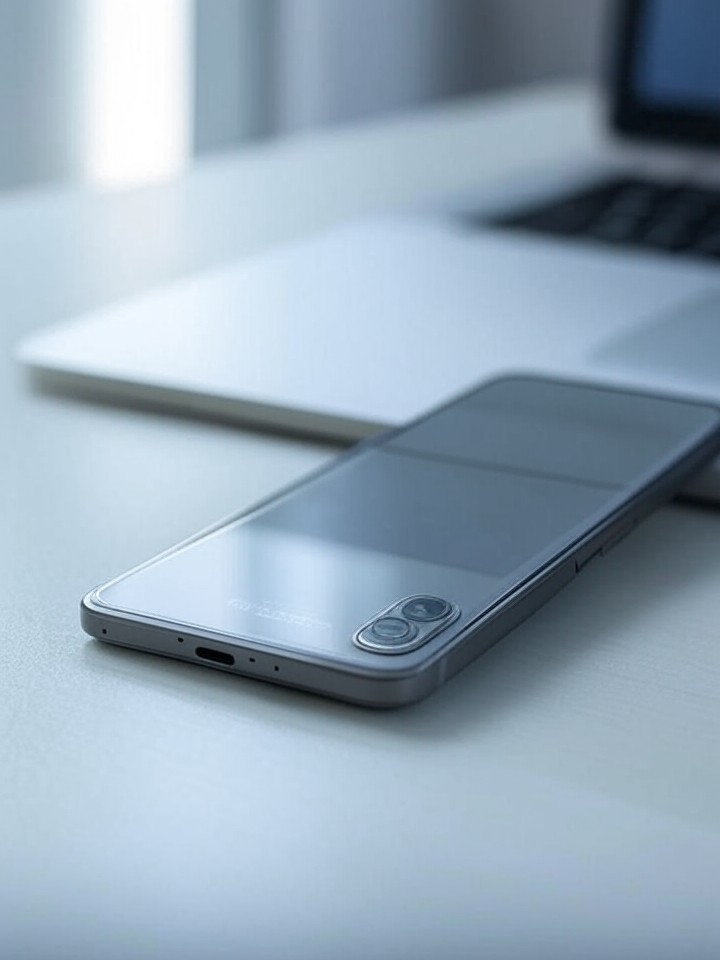
Nothing’s U-Turn on Intrusive Features: A Software Saga of User Backlash and Corporate Response
In the competitive world of Android smartphones, Nothing has carved out a niche with its minimalist design and promise of a clean user experience. Founded by former OnePlus executive Carl Pei, the company burst onto the scene in 2021 with devices that emphasized transparency—literally, with see-through casings—and a bloatware-free approach. However, late last year, Nothing introduced features that sparked widespread controversy: lock screen advertisements dubbed “Lock Glimpse” and pre-installed apps that many users deemed unnecessary. This move seemed at odds with the brand’s ethos, leading to a torrent of criticism from consumers and tech reviewers alike.
The “Lock Glimpse” feature, rolled out initially on budget models like the Nothing Phone (3a) Lite, displayed rotating wallpapers on the lock screen that often linked to external content, which critics labeled as thinly veiled ads. According to reports, these weren’t traditional advertisements but curated glimpses meant to enhance user engagement. Yet, the implementation drew ire for being opt-out on some devices and impossible to fully remove without side effects, such as battery drain. Users reported that attempting to uninstall the associated app led to unexpected power consumption issues, highlighting flaws in the software’s integration.
This controversy wasn’t isolated. Nothing’s decision to include bloatware—pre-installed apps that couldn’t be easily removed—further alienated its core audience of tech enthusiasts who valued a streamlined interface. Forums and social media buzzed with complaints, with many drawing parallels to practices by larger manufacturers like Samsung or Xiaomi, which Nothing had previously positioned itself against. The backlash was swift, prompting the company to reassess its strategy in a rapidly evolving market where user privacy and experience are paramount.
The Spark of Controversy: How Lock Glimpse Ignited User Fury
Delving deeper, the introduction of Lock Glimpse in October 2025 came as part of Nothing’s push into more affordable segments. As detailed in a PhoneArena article, the company described it as an opt-in feature designed to provide “meaningful content” like news snippets or inspirational quotes. However, the reality for many users was a barrage of clickbait-style links to dubious websites, raising concerns about data privacy and the potential for malware exposure.
TechRadar echoed these sentiments in its coverage, noting that while the feature was disabled by default on higher-end models, its presence on budget devices felt like a monetization tactic targeting cost-conscious consumers. “It’s hard to imagine this is a feature that many people want,” the outlet stated, pointing out the odd choice of content that often directed users to sketchy sites. This reporting, available at TechRadar, highlighted Nothing’s outreach for clarification, which went unanswered at the time, fueling speculation about the company’s intentions.
On platforms like Reddit, the discussion escalated. A thread in r/technews garnered hundreds of votes and comments, with users lamenting the shift toward ad-laden interfaces in an era when consumers are increasingly wary of data harvesting. This sentiment was amplified by 9to5Google’s investigation, which revealed that fully removing the Lock Glimpse app could “wreck battery life,” as explored in their December 2025 piece at 9to5Google. The technical glitch underscored a broader issue: rushed software updates that prioritized features over stability.
Corporate Backpedaling: The Update That Changed Everything
Fast-forward to early 2026, and Nothing responded to the outcry with a significant software update. The latest Nothing OS B4.0-251229-2335, as announced on the company’s community forum at Nothing Community, began rolling out in staggered phases. This update promised to address the core grievances by removing Lock Glimpse from most devices and allowing easier debloating of pre-installed apps.
Android Central provided in-depth coverage of this development in an article published just hours ago, detailing how the update “finally brings solutions to the many problems users had with its software late last year.” Accessible at Android Central, the piece explains that while Lock Glimpse isn’t entirely eradicated—it may return in a refined form—the current iteration packs it away, responding directly to user feedback. This move was seen as a partial victory, with NotebookCheck.net noting in their report at NotebookCheck.net that advertisements are “disappearing, at least partially,” following harsh criticism.
Gadget Hacks added another layer, contrasting Nothing’s initial promises of clean software with the recent ad intrusions. Their analysis, found at Gadget Hacks, serves as a reminder of how startups can stray from founding principles under market pressures. The update’s changelog, shared on Nothing’s community site, includes optimizations for battery life and user interface tweaks, aiming to restore faith among disillusioned owners.
Industry Implications: Lessons from Nothing’s Misstep
For industry insiders, Nothing’s saga offers valuable insights into the delicate balance between innovation and user trust. In a market dominated by giants like Google and Apple, smaller players like Nothing must differentiate through superior experiences, not mimic invasive tactics. The backlash mirrors similar controversies, such as Motorola’s own lock screen ads, as mentioned in TechRadar’s broader discussion of creeping advertisements in tech products.
Moreover, the role of community feedback cannot be understated. Nothing’s active forum, where users detailed debloating methods using ADB (Android Debug Bridge) as in a post at Nothing Community debloating guide, pressured the company into action. This user-driven pushback highlights a growing trend where consumers, empowered by online communities, hold brands accountable.
Looking ahead, Nothing’s partial removal of these features could set a precedent. 9to5Google’s recent update at another 9to5Google article suggests the company is “walking back” on Lock Glimpse but hints at a potential return in a less intrusive form. This ambiguity raises questions about long-term strategy: Will Nothing refine these elements to genuinely add value, or will monetization pressures prevail?
User Perspectives: From Disappointment to Cautious Optimism
Interviews and social media sentiment paint a picture of mixed reactions. On X (formerly Twitter), posts from users and the official NothingTech account reflect a wave of relief, with many praising the update for improving daily usability. One common thread is the restoration of battery efficiency post-update, addressing earlier complaints documented in 9to5Google’s battery life analysis.
However, skepticism lingers. Some insiders worry that this is merely a temporary fix, especially given Nothing’s expansion into budget tiers where ad revenue might be tempting. Reddit discussions, like the one in r/technews at Reddit, continue to debate the ethics of such features, with users vowing to switch brands if intrusions persist.
From a technical standpoint, the update’s staggered rollout—detailed in the community changelog—ensures stability but frustrates eager users. Industry analysts note that this approach, while prudent, tests patience in a fast-paced sector where software agility is key.
Strategic Shifts: Nothing’s Path Forward in a Crowded Market
Strategically, Nothing’s response could bolster its reputation if executed well. By listening to feedback, the company aligns with its transparent branding, potentially attracting users disillusioned with ad-heavy ecosystems. PhoneArena’s explanation of the feature’s intent underscores the challenge: balancing innovation with non-intrusiveness.
Comparatively, peers like Google have faced similar scrutiny over ad integrations in Android, yet Nothing’s smaller scale amplifies missteps. The update’s inclusion of feedback mechanisms, as per the community post, fosters a collaborative development model that could differentiate Nothing.
Ultimately, this episode underscores the importance of user-centric design. As Nothing navigates growth, maintaining its core promise of a “nothing” but essential experience will be crucial. With the update now live, the coming months will reveal if this U-turn solidifies loyalty or if lingering doubts erode its market position.
Beyond the Update: Broader Trends in Smartphone Software
Zooming out, Nothing’s controversy reflects wider shifts in smartphone software strategies. As hardware margins thin, companies increasingly turn to software monetization, from in-app ads to sponsored features. TechRadar’s mention of ads in Samsung smart fridges illustrates this encroachment into everyday devices.
For Nothing, the key takeaway is adaptability. The debloating guide on their forum empowers users, signaling a commitment to customization that could become a selling point. Meanwhile, X posts indicate positive buzz around improved performance, potentially driving sales of models like the Phone (3a) series.
In the end, Nothing’s journey from ad controversy to corrective update exemplifies the dynamic interplay between innovation, user expectations, and corporate agility in the tech sector. As the company evolves, its ability to learn from this will define its trajectory among Android contenders.


 WebProNews is an iEntry Publication