
Stirring Up the Future: Nosh, the AI Robot Chef Democratizing Home Cooking
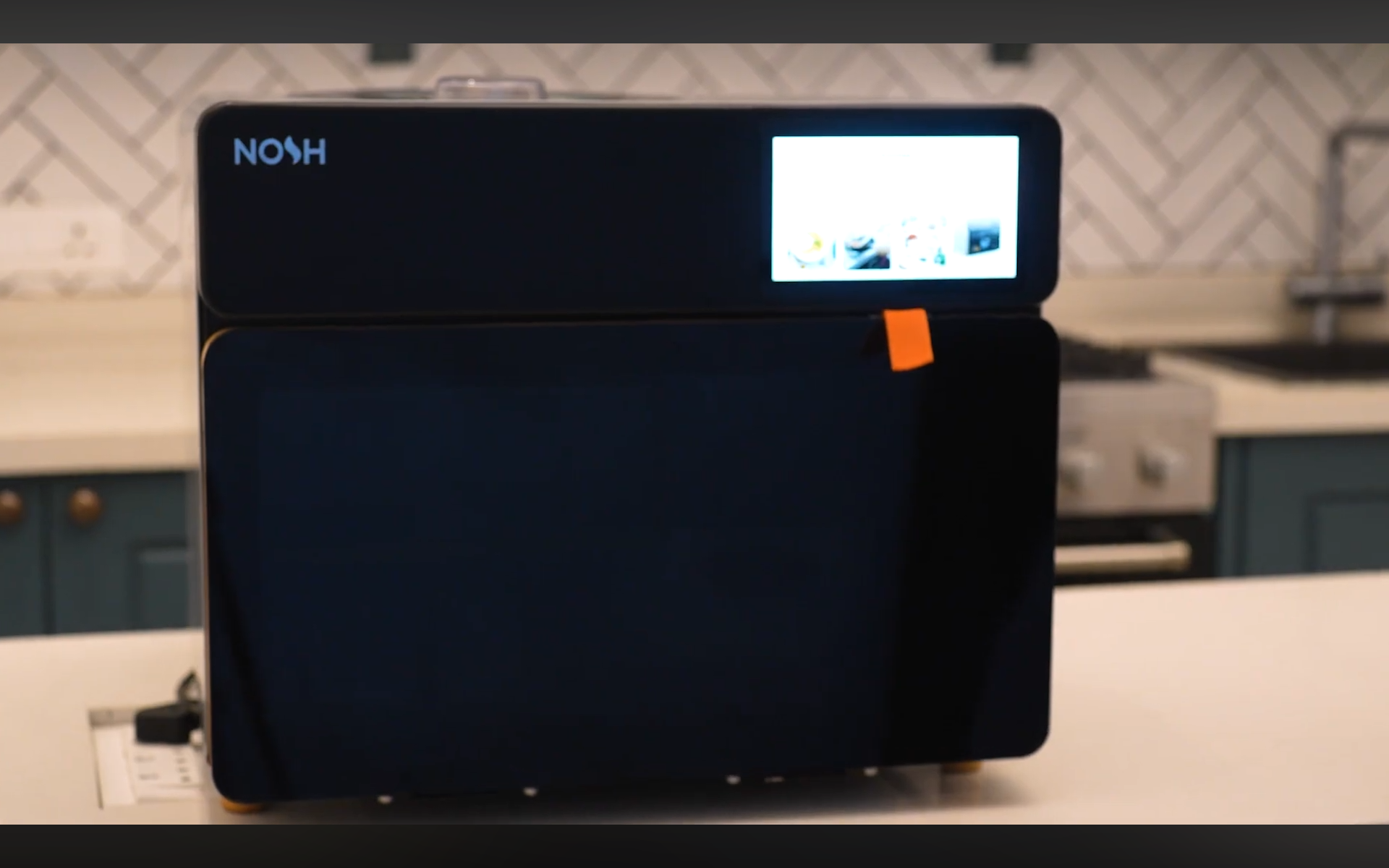
In the bustling world of kitchen technology, a new contender has emerged that’s capturing the attention of busy professionals and home cooks alike. Nosh, an AI-powered cooking robot developed by Euphotic Labs, promises to automate meal preparation with a level of accessibility that sets it apart from pricier competitors. Launched with a focus on affordability, this device aims to make hands-free cooking a reality for the average household, handling everything from ingredient dispensing to precise cooking techniques. As revealed in a recent article from Engadget, Nosh is positioned as a game-changer for the meal prep crowd, offering features that blend automation with user-friendly interfaces.
Founded by graduates of the Indian Institute of Science and supported by government departments like DST and MSME, Euphotic Labs has been refining Nosh since its early days. The robot’s core appeal lies in its ability to prepare over 500 recipes autonomously, drawing from diverse cuisines such as Italian, Thai, and Korean. Users simply load ingredients into designated compartments, select a recipe via a touchscreen or app, and let the machine take over. This isn’t just about convenience; it’s about consistency and efficiency, reducing the time and effort typically required for daily cooking.
Recent buzz from CES 2026 highlights Nosh’s debut on the global stage, where it was showcased alongside other innovative kitchen gadgets. Attendees marveled at its compact design and remote cooking capabilities, allowing users to start meals from afar. Posts on X, formerly known as Twitter, reflect growing excitement, with users praising its potential to free up time for more enjoyable activities. One post described it as a “robo-chef that cooks fresh, personalized meals automatically,” echoing sentiments from early adopters who see it as a stress-reliever in hectic lifestyles.
Engineering Behind the Automation
At the heart of Nosh is a sophisticated AI system that integrates IoT connectivity, enabling seamless updates and recipe expansions. The robot features multiple compartments for ingredients, automated stirring mechanisms, and sensors that monitor temperature and cooking progress in real time. This setup ensures dishes are cooked to perfection without constant supervision, a boon for those juggling work and family commitments. According to details from the company’s website, LetsNosh.io, the device is recyclable and made in India, emphasizing sustainability alongside innovation.
Comparisons to other robotic chefs, like the Posha reviewed in The Verge, show Nosh’s edge in affordability. While Posha requires users to handle prep work before the robot takes over, Nosh streamlines the process further by managing dispensing and mixing. Industry insiders note that this could lower barriers to entry for AI kitchen tech, previously dominated by high-end models costing thousands. A post on X from a tech enthusiast highlighted how such robots are moving beyond factories into homes, citing consistent quality and faster prep times as key benefits.
Nosh’s development story is rooted in Bangalore, where Euphotic Labs identified a gap in the market for effortless kitchen assistance. An article from IndiaAI.gov.in describes it as a “culinarian robot” designed for an effortless life inside the kitchen. Supported by academic and governmental backing, the team iterated on prototypes to incorporate user feedback, resulting in a product that’s both intuitive and versatile. Early versions focused on basic automation, but recent updates have added AI-driven personalization, suggesting recipes based on dietary preferences or available ingredients.
Market Positioning and Consumer Appeal
Priced competitively—available on Amazon.in with a two-year warranty and early adopter discounts—Nosh targets the meal prep demographic, including fitness enthusiasts and working parents. Its ability to handle batch cooking aligns with trends in health-conscious eating, where portion control and nutritional balance are priorities. Reviews from users on X emphasize its hands-free operation, with one noting it prepares “incredible recipes” while allowing time for other pursuits.
In contrast to more elaborate systems like the Moley Robotics Kitchen, which can cost upwards of $300,000 and includes advanced features like self-cleaning, Nosh keeps things practical and budget-friendly. Posts on X reference older robotic kitchens that suggest dishes based on stock and even clean up, but Nosh builds on this by integrating modern AI for remote control via smartphones. This connectivity fits into the broader ecosystem of smart homes, where devices communicate to optimize daily routines.
The timing of Nosh’s push coincides with a surge in AI kitchen innovations at CES 2026. News from The Mirror covered the event’s array of gadgets, including AI health mirrors and robot dogs, positioning Nosh amid cutting-edge tech that’s set to influence everyday life. Engadget’s live updates from the show, available at their CES 2026 coverage, noted similar devices like Brisk It’s AI oven, which brings grilling tech indoors. These developments signal a shift toward AI agents in cooking, with companies like wan AIChef debuting “AI Cooking Agents” as per a PR Newswire release.
Challenges and Innovations in AI Cooking
Despite its promises, Nosh faces hurdles common to robotic appliances, such as initial setup complexity and the need for precise ingredient preparation. Users must chop and portion items beforehand, which some reviews point out as a limitation compared to fully autonomous systems. However, the robot’s learning algorithms adapt over time, improving based on user interactions and feedback. This adaptive quality is highlighted in posts on X, where one user envisioned a future with computer vision-enabled robots that handle slicing and more.
Euphotic Labs addresses these by offering a robust app ecosystem, complete with tutorials and community-shared recipes. The device’s 500+ recipe library is continually expanding through over-the-air updates, ensuring longevity. In a market where labor-saving tech is booming—evidenced by a post on X about a German robot kitchen producing 3,000 meals daily with 80% less labor—Nosh positions itself for home use, potentially reducing household drudgery.
Looking ahead, integrations with other smart devices could enhance Nosh’s capabilities. Imagine syncing with AI fridges like Samsung’s Bespoke AI Family Hub, which tracks inventory and suggests meals, as mentioned in a post on X. This synergy could create a seamless cooking experience, from planning to execution. TechRadar’s coverage of CES 2026, found at their live blog, underscores how such interconnected innovations are reshaping home environments.
Industry Implications and Future Prospects
For industry insiders, Nosh represents a democratization of advanced kitchen tech, potentially disrupting traditional appliance makers. Its affordability could pressure competitors to lower prices or innovate further, fostering a more competitive arena. Analysts see parallels with the rise of affordable smart home devices, where accessibility drove widespread adoption. Noticias RNN’s post on X from CES 2026 described Nosh as a “revolutionary intelligent kitchen device,” hinting at its potential to influence global markets.
Sustainability is another angle, with Nosh’s recyclable materials and energy-efficient operation appealing to eco-conscious consumers. By minimizing food waste through precise measurements, it aligns with broader environmental goals. Posts on X discuss how automation in kitchens could lead to cleaner, smoke-free cooking, reducing energy consumption compared to traditional methods.
As AI continues to permeate daily life, Nosh’s evolution will likely include enhanced AI features, such as voice commands or predictive maintenance. Partnerships with recipe platforms or grocery services could further integrate it into lifestyles. With endorsements from events like CES and positive sentiment on social media, Nosh is poised to become a staple in modern kitchens, blending technology with the timeless act of cooking.
Economic and Social Impact
Economically, devices like Nosh could reshape labor dynamics in home settings, freeing up time for productivity or leisure. In regions with high dual-income households, this translates to better work-life balance. A post on X from EntrepreneursAI praised its ability to handle dinner autonomously, allowing users to focus on what matters. This shift might also influence food industries, encouraging pre-portioned ingredient kits tailored for robotic cooking.
Socially, Nosh challenges notions of cooking as a hands-on skill, potentially making gourmet meals accessible to novices. However, it raises questions about the loss of culinary traditions. Insiders debate whether such tech enhances or diminishes the joy of cooking, with some X posts lamenting the impersonal nature while others celebrate the convenience.
Ultimately, Nosh’s journey from a Bangalore startup to CES spotlight exemplifies innovation’s rapid pace. By making AI cooking affordable and practical, it invites a wider audience to experience the future of meal preparation, one automated dish at a time. As the device gains traction, its impact on how we eat, live, and interact with technology will be worth watching closely.


 WebProNews is an iEntry Publication