
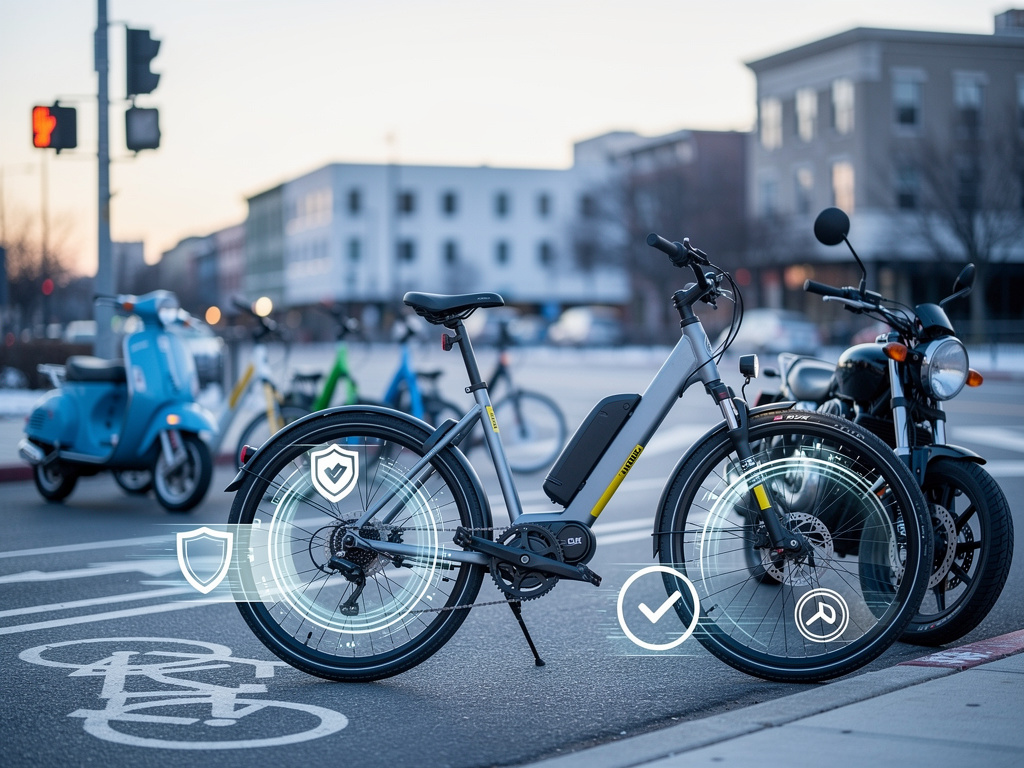
Jersey’s Electric Pedal Pushback: Mandating Licenses and Coverage for E-Bike Riders
In the bustling streets of New Jersey, a new era for electric bicycles dawned this week as Governor Phil Murphy affixed his signature to a contentious piece of legislation. The law, signed on January 19, 2026, reclassifies all e-bikes as motorized bicycles, imposing requirements for licensing, registration, and liability insurance on riders. This move comes amid a surge in e-bike usage and a corresponding uptick in accidents, some fatal, prompting state officials to tighten regulations in a bid to enhance public safety. Advocates argue it’s a necessary step to align e-bikes with other motorized vehicles, while critics decry it as an overreach that could stifle eco-friendly transportation options.
The legislation, known as S4834/A6235, extends existing rules for motorized bicycles to encompass all classes of e-bikes, from pedal-assist models to those with throttle capabilities. Riders now face the obligation to obtain a valid driver’s license or a special motorized bicycle license, register their vehicles with the Motor Vehicle Commission, and secure insurance coverage. According to reports from NJ.com, the governor signed the bill in the waning hours of his administration, despite vocal opposition from cycling groups and environmental advocates who fear it will discourage adoption of sustainable transport.
This regulatory shift positions New Jersey with some of the strictest e-bike rules in the nation, surpassing even states like California and New York in terms of requirements. Data from recent years shows a marked increase in e-bike-related incidents; for instance, two fatalities in separate crashes last year underscored the urgency felt by lawmakers. As detailed in a piece by Bicycle Retailer and Industry News, the law aims to address these safety concerns by ensuring riders are accountable and protected, much like motorcyclists or car drivers.
Rising Concerns Over Road Safety
The impetus for this law stems from a growing body of evidence highlighting the risks associated with e-bikes. In urban areas like Newark and Jersey City, where delivery services rely heavily on these vehicles, collisions have spiked. State police reports indicate that e-bike accidents increased by 40% over the past two years, with injuries often exacerbated by the higher speeds achievable on electric models. Proponents, including several legislators, point to these statistics as justification for treating e-bikes more like mopeds than traditional bicycles.
Opposition has been fierce, particularly from micromobility advocates who argue that the regulations conflate low-speed e-bikes with more powerful motorized vehicles. A post on X from a cycling enthusiast group lamented the bill’s passage, echoing sentiments that it overlooks the environmental benefits of e-bikes in reducing carbon emissions. Drawing from web searches, similar debates have unfolded in neighboring states, but New Jersey’s comprehensive approach sets a precedent that could influence national policy.
Industry insiders note that insurance requirements might pose a significant barrier. Standard auto policies may not cover e-bikes, potentially forcing riders to seek specialized coverage. Estimates suggest annual premiums could range from $100 to $300, depending on the rider’s age and location, adding a financial burden to what was once an affordable alternative to cars. As reported by CBS Philadelphia, this could disproportionately affect low-income communities that have embraced e-bikes for commuting and gig work.
Implementation Challenges Ahead
Enforcement of the new law is set to begin on July 19, 2026, giving riders a six-month grace period to comply. The New Jersey Motor Vehicle Commission is gearing up for an influx of registrations, with officials estimating that tens of thousands of e-bikes will need to be processed. This timeline, as outlined in resources from The New Jersey Bicycle and Pedestrian Resource Center, allows time for education campaigns to inform the public about the changes.
However, questions linger about how the law will be policed. Will traffic stops become routine for e-bike users? Law enforcement agencies are preparing training programs to distinguish between compliant and non-compliant vehicles, but critics worry about selective enforcement in minority neighborhoods. Recent X posts from users in Philadelphia and New York highlight similar concerns, with some riders sharing stories of confusion over e-bike classifications in adjacent jurisdictions.
From an economic perspective, the bike industry could feel the ripple effects. Retailers anticipate a dip in sales as potential buyers weigh the added costs of compliance. According to insights from NBC10 Philadelphia, some manufacturers are already lobbying for amendments to exempt lower-powered e-bikes, arguing that the blanket classification is overly broad.
Broader Implications for Micromobility
Looking beyond New Jersey, this law reflects a national conversation about integrating emerging technologies into existing traffic frameworks. States like Oregon and Colorado have adopted more lenient approaches, classifying e-bikes similarly to regular bicycles without licensing mandates. In contrast, New Jersey’s model draws inspiration from European regulations, where e-bikes often require some form of certification, especially for higher-speed variants.
Environmental groups are particularly vocal, asserting that burdensome rules could undermine efforts to combat climate change. E-bikes have been hailed as a key tool in reducing urban congestion and pollution, with studies showing they can replace short car trips effectively. A report referenced in X discussions points to data from the League of American Bicyclists, suggesting that e-bike adoption has grown 200% since 2020, a trend that might stall under heavy regulation.
Insurance providers are adapting quickly, with companies like Progressive and Geico exploring new products tailored to e-bike users. Industry analysts predict a burgeoning market for micromobility insurance, potentially worth billions as more states follow suit. As covered in News 12 New Jersey, this could lead to innovative policies that bundle coverage with bike purchases.
Voices from the Ground
Riders themselves offer a mixed chorus of reactions. Delivery workers in Hoboken, interviewed in local forums, express frustration over the added bureaucracy, fearing it will eat into their earnings. One X user, posting under a handle focused on urban mobility, described the law as “a step backward for sustainable transport,” garnering thousands of views and likes.
Conversely, pedestrian safety advocates applaud the measure. Groups like Mothers Against Drunk Driving have extended their campaigns to include e-bike awareness, citing instances where unregulated riders have caused harm. Web searches reveal stories of victims’ families pushing for accountability, mirroring the narratives that drove the bill’s passage.
For parents, the law introduces age restrictions implicitly through licensing requirements, barring those under 16 from operating e-bikes without adult supervision. This aspect, highlighted in PhillyVoice, aims to curb reckless behavior among younger users, who have been involved in a disproportionate number of incidents.
Legal and Policy Horizons
Legally, the law may face challenges. Civil liberties organizations are monitoring for potential lawsuits arguing discrimination or undue burden. Precedents from other vehicle regulations suggest that courts will scrutinize whether the requirements are proportionate to the risks posed by e-bikes.
Policy experts foresee this as a test case for federal guidelines. The U.S. Department of Transportation has been studying micromobility, and New Jersey’s experiment could inform nationwide standards. Insights from 6abc Philadelphia indicate that congressional hearings on e-bike safety are slated for later this year.
Internationally, comparisons abound. In the UK, e-bikes are regulated based on power output, with insurance optional for most. New Jersey’s approach, by mandating coverage universally, might inspire or deter similar policies elsewhere, depending on outcomes in accident reduction.
Industry Adaptation Strategies
Bike shops across the state are pivoting to offer compliance services, such as registration assistance and insurance referrals. Major retailers like Trek and Specialized are updating their marketing to emphasize the benefits of licensed riding, positioning it as a mark of responsible ownership.
Technology integrations could ease the transition. Apps that track e-bike usage and integrate with insurance providers are emerging, potentially offering discounts for safe riding habits. From X trends, innovators are buzzing about blockchain-based registration systems to streamline the process.
Ultimately, the law’s success will hinge on public acceptance and measurable safety improvements. Early indicators from pilot programs in cities like Trenton suggest that education, rather than punishment, will be key to compliance.
Economic Ripples and Future Prospects
The financial implications extend to tourism and recreation. New Jersey’s boardwalks and trails, popular for e-bike rentals, may see operators grappling with fleet-wide registrations, potentially increasing costs passed on to visitors.
Looking ahead, amendments could refine the law. Advocacy groups are already petitioning for tiered regulations based on e-bike class, exempting low-speed models. As per BikeRadar, cycling experts argue that the real issue lies with unregulated e-motos, not standard e-bikes.
In the grand scheme, this legislation underscores the tension between innovation and regulation in modern mobility. As e-bikes evolve, so too must the rules governing them, balancing safety with accessibility to foster a greener future.
Stakeholder Perspectives and Ongoing Debates
Stakeholders from various sectors continue to weigh in. Insurance executives view it as an opportunity for market expansion, while environmentalists push for incentives to offset costs, such as tax credits for compliant riders.
Debates on X reveal a polarized public, with some users praising the law for curbing “reckless” riding and others decrying it as anti-progress. One viral thread compared it to historical regulations on automobiles, suggesting it’s a natural evolution.
As New Jersey navigates this new terrain, the world watches. The outcomes could reshape how societies integrate electric vehicles into daily life, ensuring they enhance rather than endanger public spaces.


 WebProNews is an iEntry Publication