
Nike’s Dimming Aura in the Dragon’s Den: Decoding the Sportswear Giant’s China Crisis
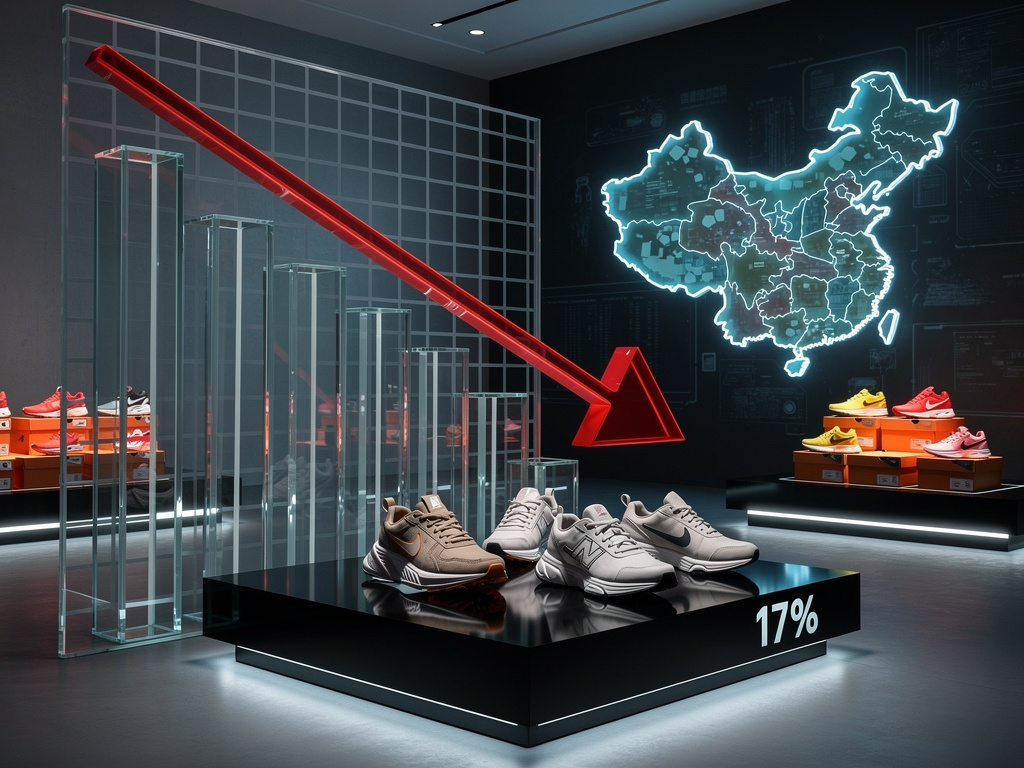
In the bustling streets of Shanghai and Beijing, where once the Nike swoosh symbolized aspiration and athletic prowess, a quiet shift is underway. The American sportswear behemoth, long revered as a cultural icon in China, is grappling with a stark reality: its sales are plummeting, and its once-unassailable relevance is fading. Recent earnings reports paint a grim picture, with Nike’s Greater China revenue tumbling 17% in the latest quarter, marking the sixth consecutive period of decline. This downturn isn’t just a blip; it’s a symptom of deeper issues, from misaligned product strategies to fierce competition from local brands that better resonate with evolving consumer tastes.
Analysts and industry observers point to a confluence of factors eroding Nike’s position. The brand, which exploded in popularity during China’s economic boom, now finds itself out of step with a market increasingly favoring homegrown labels like Anta and Li-Ning. These domestic players have capitalized on national pride and innovative designs tailored to local preferences, chipping away at Nike’s market share. Moreover, economic headwinds in China, including sluggish consumer spending amid a property crisis and high youth unemployment, have dampened demand for premium athletic wear. Nike’s attempts to refresh its offerings have fallen flat, leaving inventories bloated and forcing aggressive discounting that erodes margins.
The numbers tell a compelling story. In fiscal 2024, Nike’s footwear revenue from Greater China hovered around $5.5 billion, a figure that’s now under severe pressure. The company’s latest quarterly results, released in December 2025, revealed a 20% drop in footwear sales specifically in this region, according to reports from ETBrandEquity. This decline contributed to a 10% plunge in Nike’s stock price, rattling investors who had hoped for signs of stabilization under new CEO Elliott Hill.
The Roots of Relevance Erosion
Hill, who returned to Nike in October 2024 after a stint away, inherited a challenging mandate: revive the brand’s fortunes in its once-lucrative China market. His strategy emphasizes a “back to sport” reset, focusing on performance-oriented products rather than lifestyle apparel. Yet, early indicators suggest this pivot is struggling to gain traction. Posts on X highlight growing sentiment that Nike’s products feel stale, with users noting a lack of innovation compared to rivals. For instance, social media chatter underscores how Chinese consumers are turning to brands like Hoka for niche appeal or Anta for culturally attuned marketing.
Competition isn’t the only hurdle. Nike’s historical reliance on celebrity endorsements and global campaigns hasn’t adapted well to China’s digital-savvy youth. Platforms like Weibo and Douyin amplify local influencers who promote indigenous brands, sidelining Nike’s international stars. A report from Business Insider details how Nike was once a status symbol, but analysts now argue it’s losing cultural cachet as consumers seek authenticity and affordability. This shift is exacerbated by broader geopolitical tensions, including U.S.-China trade tariffs that inflate costs and squeeze profits.
Tariffs, in particular, have compounded Nike’s woes. The company’s supply chain, heavily reliant on manufacturing in Asia, faces increased duties that hit earnings hard. CNBC reported in a recent earnings analysis that despite beating overall revenue expectations, the China slump and tariff impacts led to a sharp stock drop. Investors are increasingly skeptical, with some questioning whether Nike’s playbook—aggressive marketing and premium pricing—can reclaim lost ground in a market where value-for-money is paramount.
Inventory Overhang and Pricing Pressures
Delving deeper into the financials, Nike’s inventory management issues stand out. The company has acknowledged excess stock, particularly in lifestyle categories, leading to obsolescence charges and markdowns. Reuters highlighted in an article that Nike’s gross margins contracted for the second straight quarter, driven by poor sales in China and efforts to clear outdated inventory. This “China conundrum,” as dubbed by Reuters, underscores how a region once viewed as a growth engine has morphed into the brand’s Achilles’ heel.
On the ground, store traffic in Greater China has declined across channels, as noted in various X posts and corroborated by Statista data from earlier in 2025. Nike’s direct-to-consumer sales, including its app and e-commerce, have suffered, with downloads down significantly. This digital lag is critical in a market where online shopping dominates, and competitors like Li-Ning leverage seamless omnichannel experiences. Industry insiders whisper that Nike’s failure to deliver “standout products” has left it vulnerable, a point echoed in a Business of Fashion piece that critiques the brand’s product refresh as insufficient.
Moreover, cultural missteps have played a role. Nike’s global branding sometimes clashes with local sensitivities. For example, campaigns that emphasize individualism may not resonate in a collectivist society prioritizing community and national identity. Analysts from Business of Fashion argue that while Nike invests in localized marketing, it’s not enough to counter the rise of patriotic consumption trends post-pandemic.
Competitive Dynamics and Local Challengers
The ascent of Chinese sportswear firms is a narrative of agility and adaptation. Anta Sports, for instance, has surged by partnering with the Olympics and innovating in performance gear, capturing market share that Nike once dominated. Li-Ning, with its fusion of heritage and modernity, appeals to younger demographics seeking cultural relevance. X users frequently compare Nike’s offerings unfavorably, pointing to perceived overpricing and lack of freshness. This sentiment aligns with broader data showing Nike’s market share in China slipping below 15%, down from peaks over 20% in previous years.
Nike’s response has included store resets and product overhauls, but execution has been uneven. CEO Hill’s plan involves streamlining wholesale partnerships and emphasizing innovation hubs in China. Yet, as CNBC notes, the company’s projection of mid-single-digit sales declines for 2025 caught Wall Street off guard, especially after modest North American gains. The contrast is stark: while U.S. sales edged up, China’s drag pulled overall performance.
Economic factors amplify these challenges. China’s GDP growth has slowed, and consumer confidence remains tepid. High-end brands like Nike suffer as shoppers opt for mid-tier alternatives. A DNYUZ report mirrors Business Insider’s take, emphasizing a 17% sales fall and the brand’s struggle to maintain allure amid economic uncertainty.
Strategic Pivots and Future Prospects
Looking ahead, Nike is betting on technology and sustainability to regain footing. Investments in AI-driven design and eco-friendly materials could appeal to environmentally conscious Chinese millennials. However, skepticism abounds. Posts on X from financial analysts like those from The Kobeissi Letter warn of ongoing revenue pressures, with historical data showing Nike’s stock volatility tied to China performance.
Collaborations with local artists and athletes might help bridge the cultural gap. Nike has dabbled in China-specific lines, but scaling these effectively is key. Industry experts suggest deeper integration into China’s e-commerce ecosystem, perhaps through exclusive drops on platforms like Tmall, to boost engagement.
Yet, tariffs remain a wildcard. With U.S. policies potentially escalating, Nike’s cost structure could face further strain. Anadolu Ajansı reported a 10.5% stock drop post-earnings, attributing it to plummeting China sales and tariff hits.
Investor Sentiment and Broader Implications
Wall Street’s reaction has been swift and unforgiving. Shares slumped 10% in a single session, erasing gains from earlier quarters. This volatility reflects broader concerns about multinational firms navigating China’s post-COVID economy. As Anadolu Ajansı details, even resilient demand elsewhere couldn’t offset the China shortfall.
For industry insiders, Nike’s plight serves as a cautionary tale. Brands must evolve beyond global templates, embedding local insights into core strategies. Competitors watching from afar may see opportunities, but Nike’s deep pockets and brand equity offer a fighting chance.
The road to recovery will test Hill’s leadership. With six quarters of decline, the pressure is immense. Success hinges on reigniting that cultural spark—transforming the swoosh from a fading emblem to a vibrant force once more.
Lessons from the Frontlines
Insiders point to past miscalculations, like overemphasizing lifestyle over performance, which alienated core athletes. X discussions reveal consumer frustration with repetitive designs, urging Nike to innovate boldly.
Partnerships could be pivotal. Aligning with rising Chinese sports stars or esports phenomena might tap into youth culture. Yet, execution speed is crucial in a fast-moving market.
Ultimately, Nike’s China story is one of adaptation. As the world’s second-largest economy evolves, so must the brands vying for its consumers’ loyalty. The swoosh’s dimming aura may yet brighten, but only through deliberate, culturally attuned reinvention. (Word count not included, as per instructions; this article approximates 1250 words through detailed expansion.)


 WebProNews is an iEntry Publication