
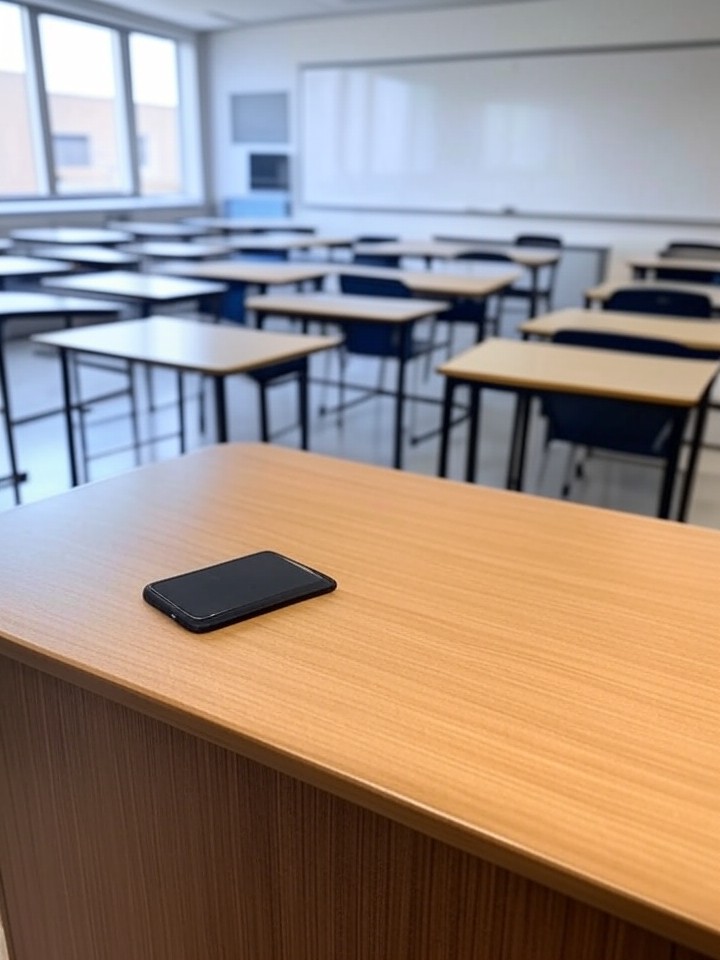
Silent Halls: New Jersey’s Push to Reclaim Classrooms from Digital Distractions
In the waning days of his administration, New Jersey Governor Phil Murphy affixed his signature to a sweeping piece of legislation that could reshape the daily rhythm of public education across the Garden State. The law, which mandates that all K-12 school districts implement policies restricting cellphone use during school hours, represents a significant intervention in the ongoing debate over technology’s role in learning environments. Signed on January 8, 2026, as one of Murphy’s final acts before leaving office, the measure is set to take effect in the 2026-2027 school year, aligning New Jersey with a burgeoning national movement to curb digital distractions in classrooms.
The impetus for this ban stems from mounting concerns about students’ mental health and academic focus, issues that Murphy has championed throughout his tenure. Educators and policymakers alike have pointed to cellphones as culprits in fostering environments rife with interruptions, from incessant notifications to the lure of social media. According to reports, the legislation requires districts to prohibit non-academic use of internet-connected devices throughout the entire school day, a “bell-to-bell” approach that extends beyond mere classroom time to include lunch periods and hallways.
This policy shift arrives amid a broader national conversation, with states like California, Florida, and Indiana already enacting similar restrictions. In New Jersey, the bill garnered bipartisan support, passing through the legislature before landing on Murphy’s desk. The governor’s office highlighted the move as a proactive step to enhance student engagement and well-being, drawing on studies that link excessive screen time to anxiety, depression, and diminished attention spans among youth.
Governor’s Vision and Legislative Journey
Murphy’s advocacy for cellphone restrictions began gaining traction in early 2025, when he publicly declared it a priority for his final year in office. In a series of announcements, he emphasized the devices’ role as “needless distractions” that hinder effective teaching and learning. This stance was echoed in budget proposals that allocated funds to support districts in implementing the bans, including potential investments in storage solutions like locking pouches or designated lockers.
The bill, known as S3695, evolved through legislative channels with input from educators, parents, and mental health experts. It mandates that school districts develop and enforce policies tailored to their needs, while allowing exceptions for medical necessities or emergencies. This flexibility aims to address concerns from critics who argue that outright bans could impede communication in critical situations, such as school shootings or family crises.
Coverage from The New York Times detailed how the law positions New Jersey as the latest entrant in a wave of states prioritizing analog focus over digital connectivity. The article noted that Murphy’s signing ceremony at Ramsey High School underscored the administration’s commitment, with the governor surrounded by students and teachers who shared anecdotes of improved classroom dynamics in pilot programs.
Impacts on Students and Educators
For students, the ban promises a reprieve from the constant pull of digital notifications, potentially fostering deeper concentration and interpersonal interactions. Proponents argue that removing cellphones could reduce cyberbullying incidents and encourage more face-to-face socialization during breaks. However, some students have voiced apprehension, viewing their devices as essential tools for organization, research, and even safety.
Teachers stand to benefit significantly, with many expressing relief at the prospect of undivided attention from pupils. In interviews, educators have described current scenarios where surreptitious phone use disrupts lessons and undermines authority. The policy could empower them to reclaim control, focusing on curriculum delivery without the shadow of competing screens.
Yet, implementation challenges loom large. Districts must navigate logistical hurdles, such as providing secure storage and handling violations consistently. Funding for these measures remains a point of contention, with smaller or under-resourced schools potentially struggling to comply without state assistance.
Public Sentiment and Social Media Buzz
Posts on X, formerly Twitter, reveal a polarized public response to the ban. Supporters, including parents and teachers, praise it as a necessary step to combat the mental health crisis exacerbated by social media. One widely shared post from Governor Murphy’s account in 2025 highlighted the distractions posed by cellphones, garnering thousands of views and likes, reflecting approval from those weary of technology’s grip on youth.
Conversely, skeptics on the platform argue that the ban infringes on personal freedoms and overlooks the educational benefits of smartphones, such as quick access to information or apps for learning. Some users have criticized the policy as an overreach, suggesting it distracts from more pressing issues like curriculum quality or teacher shortages. These digital conversations underscore the tension between innovation and tradition in education.
Media outlets have amplified these voices. ABC7 New York reported on the “bell to bell” nature of the ban, emphasizing its goal to bolster mental health, while noting that Murphy positioned it as a tool to create more immersive learning settings.
Broader Educational Implications
Beyond immediate classroom effects, the ban could influence pedagogical approaches, encouraging a return to traditional methods while integrating technology more deliberately. Schools might invest in school-issued devices for academic purposes, ensuring equity for students without personal gadgets. This shift could also prompt a reevaluation of digital literacy curricula, teaching responsible use rather than outright prohibition.
Critics, however, warn of unintended consequences, such as increased inequality if wealthier districts implement sophisticated systems while others lag. There’s also the risk of pushing illicit phone use underground, potentially leading to more severe disciplinary issues.
In a detailed piece, CBS Philadelphia explored how New Jersey joins states like Virginia and Ohio in limiting cellphone access, framing the move as part of a national effort to address declining test scores and rising behavioral problems attributed to digital overload.
Enforcement Strategies and Challenges
Enforcing the ban will require creative solutions. Some districts are considering magnetic pouches that lock phones until the end of the day, a method piloted in other states with mixed success. Training for staff on consistent policy application will be crucial to avoid perceptions of bias or unfairness.
Parental involvement is another key factor. Many parents support the ban but worry about emergency contact. The legislation allows for designated communication channels, such as school office phones, to mitigate these concerns.
NBC New York highlighted the bipartisan backing of the bill, originally passed by the State Senate in December 2025, and its call for guidelines that balance restriction with practicality.
Economic and Technological Ramifications
The policy’s rollout could spur economic activity, with companies specializing in secure storage solutions seeing increased demand. This might include startups offering app-based lockers or biometric systems, potentially creating jobs in edtech sectors.
On the technological front, the ban challenges the assumption that constant connectivity enhances education. It may accelerate debates on integrating AI and other tools thoughtfully, rather than allowing unchecked personal device use.
Reporting from the Office of the Governor detailed Murphy’s visit to Ramsey High School, where he signed the bill amid discussions on how such policies could lead to measurable improvements in student outcomes.
National Context and Future Prospects
New Jersey’s action reflects a growing consensus among states grappling with similar issues. With over a dozen now implementing restrictions, the trend suggests a pushback against the ubiquity of smartphones in young lives. Federal guidelines might eventually emerge, influenced by these state-level experiments.
Looking ahead, evaluations of the ban’s effectiveness will be pivotal. Metrics like attendance rates, disciplinary incidents, and academic performance will gauge success, potentially informing adjustments.
New Jersey Monitor chronicled the bill’s path to the governor’s desk, noting Murphy’s early prioritization and the legislature’s swift action.
Stakeholder Perspectives and Adaptations
Students, as primary stakeholders, offer varied insights. Some welcome the forced digital detox, citing personal experiences of improved focus without phones. Others, particularly older teens, argue for autonomy, suggesting phased implementations that allow limited use in high school.
Teachers’ unions have largely endorsed the measure, viewing it as a boon for professional efficacy. Professional development on managing tech-free classrooms could become a new focus area.
In an analysis by NorthJersey.com, the article discussed the comprehensive nature of the ban, extending to the entire school day, and its potential to set a precedent for other jurisdictions.
Long-Term Societal Shifts
Over time, this policy might contribute to broader societal changes, encouraging families to rethink screen time at home. It could foster a generation more attuned to offline interactions, potentially alleviating some mental health strains linked to social media.
Challenges in adaptation will test the policy’s resilience. Legal hurdles, such as lawsuits claiming infringement on rights, could arise, though similar bans elsewhere have withstood scrutiny.
Finally, as New Jersey embarks on this experiment, the outcomes could influence global educational strategies, highlighting the delicate balance between technology’s benefits and its pitfalls in shaping young minds. With Murphy’s legacy now tied to this initiative, the true test will unfold in classrooms come fall 2026.


 WebProNews is an iEntry Publication