
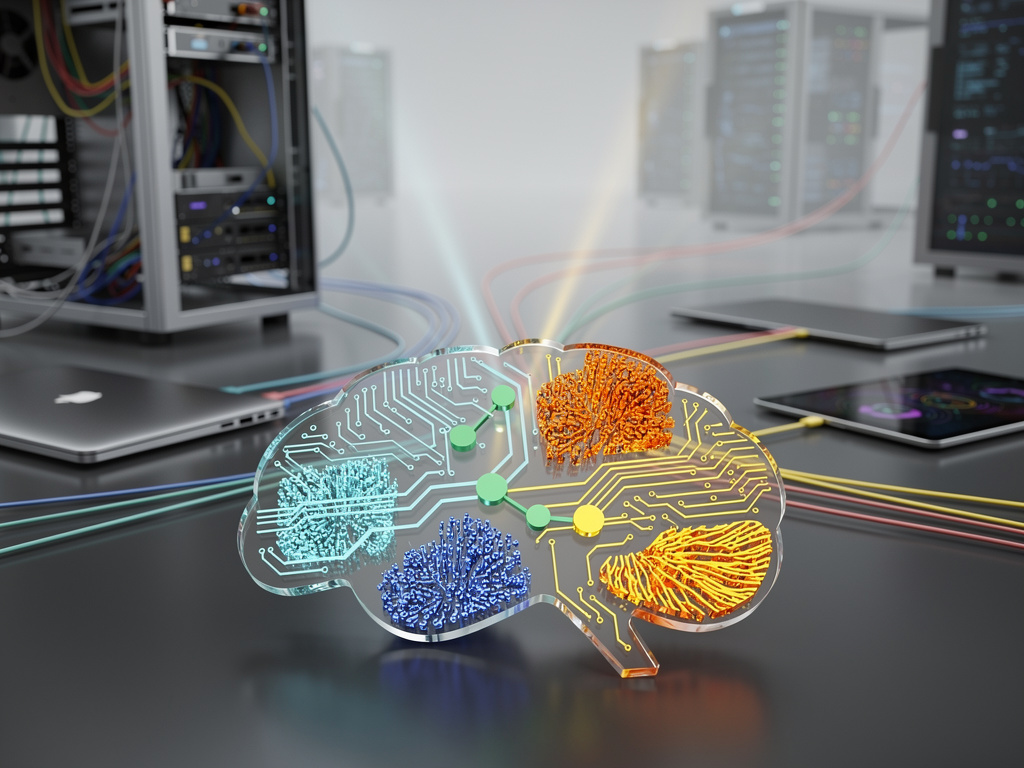
Unlocking Innovation: Why Neurodivergent Minds Are Revolutionizing Tech Development
In the fast-paced world of technology, where innovation drives success, a growing body of evidence suggests that neurodivergent individuals—those with brains wired differently due to conditions like autism, ADHD, or dyslexia—are not just participants but pivotal architects of superior systems. This isn’t mere speculation; it’s backed by real-world examples and emerging research. For instance, a recent post on X from GitHub highlighted that teams with neurodivergent employees can be up to 30% more productive, linking to strategies for inclusive environments. Such insights are reshaping how companies approach talent and creativity in software development and beyond.
At the heart of this shift is the unique cognitive processing that neurodivergent people bring to the table. Traditional neurotypical approaches often follow linear paths, but neurodivergent thinkers excel in pattern recognition, hyper-focus, and unconventional problem-solving. A landmark article in the Harvard Business Review detailed how companies like SAP and Hewlett-Packard have tapped into these strengths, noting extraordinary skills in memory and mathematics that neurodivergent workers possess. These abilities translate directly into building more robust, efficient tech systems.
Yet, harnessing these talents requires more than good intentions. Workplaces must adapt their structures to support diverse thinking styles. Research from Deloitte emphasizes that fostering neuroinclusion can unleash innovation and provide a competitive edge, pointing out that neurodiversity is an underutilized asset in many organizations.
The Cognitive Edge in System Design
Delving deeper, neurodivergent brains often process information in ways that lead to breakthroughs in system architecture. For example, individuals with autism might spot inefficiencies in code that others overlook, thanks to their heightened attention to detail. A study published in PMC explored how neurotype matching influences idea emulation, suggesting that diverse teams foster originality by reducing unconscious copying of ideas.
This cognitive diversity isn’t limited to software; it extends to hardware and emerging tech like AI. Posts on X, such as one from Michael Levin, discuss the symmetry between conventional intelligence and problem-solving in biological systems, drawing parallels to tech innovation. Levin’s work, shared widely, underscores how non-traditional thinking can solve complex problems in fields like bioengineering, which increasingly intersects with software development.
Moreover, in the realm of adaptive technologies, neurodivergent innovators are creating tools that benefit everyone. An X post from Spectro described using AI-integrated software to manage ADHD through sensory inputs, highlighting how personal experiences drive practical inventions. This self-driven innovation often results in systems that are more intuitive and resilient.
Workplace Strategies That Amplify Strengths
To truly capitalize on these advantages, companies are rethinking their hiring and management practices. A review in MDPI on managing neurodiversity stresses the need for strategies that enhance well-being, inclusion, and recruitment for neurodivergent individuals, particularly those with autism. It identifies gaps in linking neurodiversity to human capital management, urging a focus on unique talents.
Innovative programs are emerging as models. The AskEARN toolkit outlines how neurodivergent workers bring skills like creativity and loyalty to teams, providing resources for employers to build supportive environments. Similarly, a World Economic Forum piece on neurodiversity in the workplace argues that inclusive settings tap into untapped talent pools, driving business success through varied perspectives.
Real-world applications show tangible benefits. In tech giants, neurodivergent employees have led to improved software reliability. For instance, dyslexia can enhance spatial reasoning, aiding in user interface design, as noted in discussions from Ironhack. Companies adopting these strategies report higher innovation rates and better problem-solving.
Challenges and Pathways to Inclusion
Despite the upsides, barriers persist. Many neurodivergent professionals face employment challenges, from sensory overload in open offices to misunderstandings in communication. A systematic review in SAGE Journals examines these issues, calling for better integration in diversity discussions. It reveals that while recognition is growing, practical support lags.
Addressing these requires targeted interventions. Training managers on neuroinclusive practices, as suggested in a guide from Pro Accounting Practice, moves beyond mere accommodation to full integration, fostering teams that innovate more effectively. X posts, like one from Will Burns at Vectoris Inc., claim neurodivergent operators outperform neurotypicals in AI tasks, with results amplified by specific methodologies.
Furthermore, technology itself is evolving to assist. Innovations like the Brain Gear Wearable, described in Technowize, track brain activity to enhance performance, particularly beneficial for neurodivergent users. Such tools exemplify how neurodiversity informs tech that serves broader populations.
Case Studies from the Front Lines
Consider the software development sector, where neurodivergent contributions shine. In one X thread, Mari discussed how coding reshapes thinking through neuroplasticity, aligning with how ADHD brains thrive on dynamic tasks. This adaptability leads to agile development processes that are more responsive to change.
Another example comes from educational tech. Student teams are creating AI tools for neurodivergent learners, as posted by The Arc of Tucson on X, demonstrating how inclusive design principles yield better educational software. These initiatives not only help users but also train the next generation of developers to think diversely.
On a larger scale, companies like those profiled in Spring Health’s blog on neurodivergent employees boosting productivity show quantifiable gains. With an estimated 1 in 7 people worldwide being neurodivergent, ignoring this demographic means missing out on enhanced work quality and innovation.
Emerging Trends in Neuroadaptive Tech
Looking ahead, the intersection of neurodiversity and AI is particularly promising. The introduction of NeuroChat, as shared by Dünya Baradari on X, represents a chatbot that adapts to brain signals, personalizing interactions based on cognitive states. This could revolutionize user experience in software, making systems more empathetic and effective.
Historical precedents support this trajectory. A 2019 Harvard University post on X referenced AI determining visual neuron preferences, with implications for understanding conditions like autism. Such research paves the way for tech that accommodates diverse brains from the ground up.
Additionally, standards like the Neurodiversity Design System, mentioned by Adham Dannaway on X, combine user experience with neurodiversity principles, ensuring software is accessible and innovative. These developments signal a future where neurodivergent input is integral to tech creation.
Building a Neuroinclusive Future
To sustain this momentum, education and advocacy are key. Resources combating misinformation, such as those from Disability Belongs, emphasize listening to neurodivergent voices for true inclusion. This approach not only debunks myths but also promotes environments where diverse talents flourish.
In research circles, explorations like those in Bioengineer.org highlight opportunities amid challenges, based on systematic reviews. They advocate for policies that transform recruitment and retention.
Personal stories add depth. An X post from Probe lama illustrated how AI bridges communication gaps for neurodivergent writers, turning intent into receivable words. This mirrors broader trends where tech empowers rather than excludes.
The Broader Impact on Industry
The ripple effects extend to sustainability and ethics in tech. Neurodivergent perspectives often prioritize holistic systems, leading to more ethical AI and software that considers long-term impacts. A ScienceDirect article on mapping lacunae between neurodivergent individuals and organizations calls for shifts in talent strategies to foster genuine diversity.
In adaptive learning, new research shared by Learning Success on X shows how technology transforms math education for neurodivergent students, potentially informing better educational software development.
Ultimately, embracing neurodiversity isn’t just about equity—it’s a strategic imperative. As evidenced by a HackerNewsTop5 post on X referencing “Neurodivergent Brains Build Better Systems (2025),” this mindset leads to superior outcomes in tech innovation.
The primary inspiration for this deep dive comes from Dr. Josh C. Simmons’ blog post titled “How Neurodivergent Brains Build Better Systems”, which argues that atypical wiring fosters resilient, creative tech solutions. By integrating these insights with current trends, it’s clear that neurodivergent minds are not anomalies but essential drivers of progress in technology. As industries continue to evolve, those who prioritize this diversity will lead the way in building systems that are not only better but transformative.


 WebProNews is an iEntry Publication