
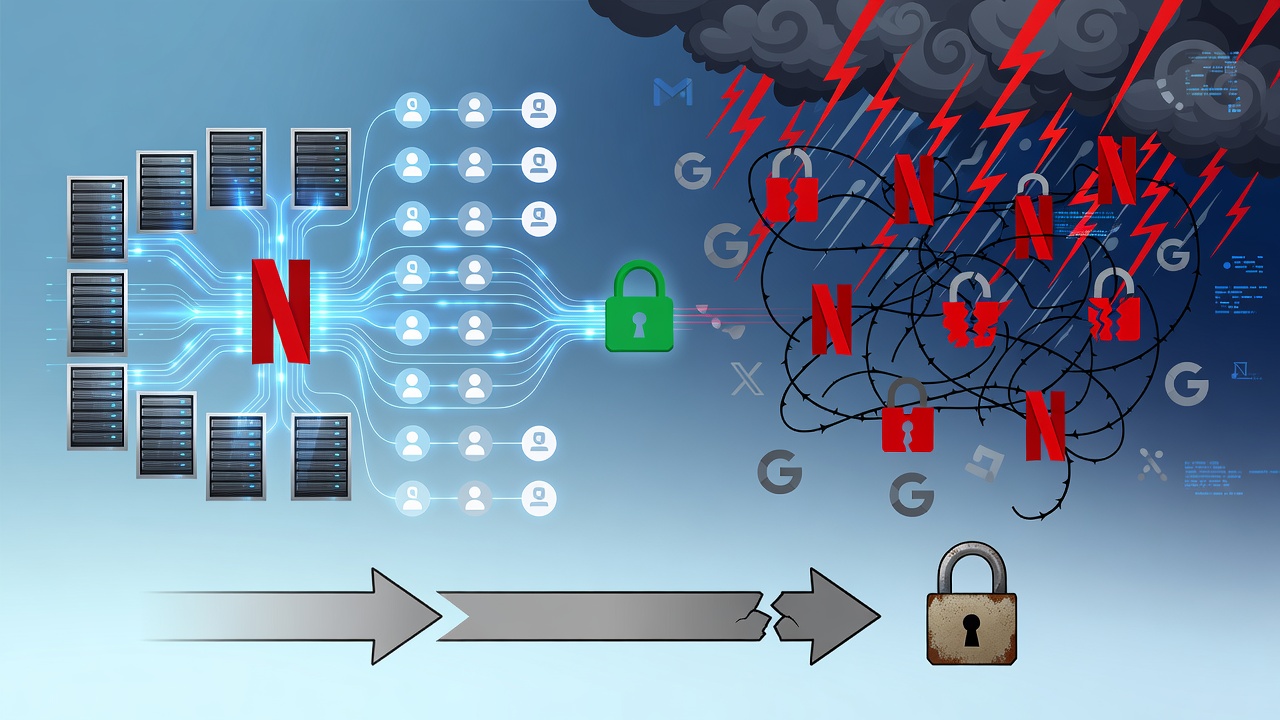
Netflix subscribers opened the app in recent weeks and hit a wall. A prompt appeared that refused to go away until they added a unique email address to each profile on their account. The message read, “Personalized new ways to enjoy Netflix are coming. Add an email to your profile for easier sign-in access, to recover your account, get personalized suggestions, and more.” Short. Direct. And for many, infuriating.
The change began rolling out on June 15, 2026. It is permanent. A Netflix spokesperson told Ars Technica exactly that. The requirement applies to most profiles under a subscription. Children’s profiles remain exempt. Families that once shared one login now face a new barrier. One account holder. Multiple emails required.
But why? Netflix frames the update as a convenience. Each profile gains its own login credentials. Secondary users can sign in independently on new devices. They receive verification codes directly instead of bothering the primary account holder. They adjust language, audio, and display settings without interference. Profile transfers and account recovery become simpler. At least on paper.
Subscribers disagree. They remember the 2023 password-sharing crackdown. That effort forced millions to create paid extra member slots or transfer profiles to new accounts. What’s on Netflix noted how users have stayed alert for any further login tweaks since then. This feels like the next step. Some fear Netflix will eventually charge for additional profiles or use the emails to split households more aggressively.
Complaints flooded Reddit. One user declared, “This is killing Netflix for me.” Another explained their setup. They maintain a single account but rely on separate profiles to organize content. One for general TV. One for favorites to rewatch. Others for movies, documentaries, reality shows. The system worked perfectly for mood-based browsing. Now each demands its own email. The organization tool has become a hassle.
Families gathered around living room TVs encounter friction too. Different members switch profiles on the same device. The new rule disrupts that flow. And then there is the data question. Netflix’s privacy policy allows sharing email addresses with marketing and advertising partners. Users who comply started receiving promotional emails almost immediately. One father, after linking his address to an extra member profile, saw Netflix ads land in his inbox. He could unsubscribe. The point stood. More personal information now sits with the company.
Yet not everyone views the change as purely negative. Independent logins reduce dependence on the account owner. Two-factor authentication becomes feasible for each profile. Settings stay personal. The prompt even suggests improved recommendations lie ahead. Netflix has not detailed those features. The promise hangs there nonetheless.
Some subscribers refused to hand over fresh email addresses. They discovered a workaround. Gmail users simply add a plus sign and label. The address [email protected] becomes [email protected] or [email protected]. Gmail delivers all mail to the original inbox. Netflix accepts the alias as unique. Threads of Reddit users confirmed the trick works. At least for now. TechRadar reported the same Gmail alias method spreading among frustrated viewers.
The rollout has been gradual. Not every account sees the prompt yet. That slow pace mirrors Netflix’s earlier experiments with password restrictions. First tests in Latin America. Then broader enforcement. Household verification. Paid add-ons. Each phase met resistance before settling into standard practice.
This time the stakes feel smaller on the surface. No immediate extra fees. No forced cancellations. Still the anger runs hot. Users built habits around flexible profiles. They created one for kids that stayed kid-friendly. Another for late-night thrillers. The single-email system let everyone stay under one roof without extra cost or complexity. The new demand chips at that simplicity.
Analysts and reporters draw connections to Netflix’s larger strategy. After the password crackdown boosted subscriber numbers and revenue, the company hunts for more ways to tighten controls. Better data on individual viewing habits helps refine algorithms. It supports targeted advertising efforts outside the platform. It prepares the ground for future monetization if the business case emerges. None of this appears in the official explanation. The company sticks to talk of easier sign-ins and account recovery.
Recent coverage reinforces the divide. Tom’s Guide called the development bad news for households that share accounts. Posts on X echoed the sentiment with memes and complaints about turning every profile into its own mini-account. Privacy-focused users warned of expanded tracking. Others simply lamented another layer of friction in an already complicated streaming world.
Netflix has not commented beyond the statement to Ars Technica. No blog post. No tweet. The change moves forward quietly while users scramble for solutions or vent online. Some will comply and add legitimate secondary emails. Others will stick with aliases until Netflix blocks them. A few may cancel altogether. The “this is killing Netflix for me” reaction, though dramatic, captures a genuine sense of eroded goodwill.
The streaming giant built its early success on ease. Unlimited profiles under one login helped it spread through dorm rooms, families, and friend groups. That model fueled growth for years. Then came the crackdown. Revenue rose. Churn followed but stabilized. Now this. Each adjustment makes the service feel less like a shared household utility and more like a collection of individual subscriptions in disguise.
Whether the email requirement ultimately drives higher conversions to extra member plans remains unseen. Early evidence is anecdotal. What is clear is the frustration. The prompt cannot be dismissed. The pop-up blocks access until satisfied. Users must act. And many do so with resentment.
So the debate continues. Convenience for some. Surveillance for others. A minor administrative update or the next phase of account tightening. Netflix bets subscribers will adapt as they did before. The workaround artists are already proving them half right. The long-term test will show whether anger fades or simmers into canceled subscriptions. For now the pop-up remains. The emails multiply. And households adjust once again.


 WebProNews is an iEntry Publication