
Netflix’s Ambitious Overhaul: Chasing Social Media’s Grip on Daily Habits
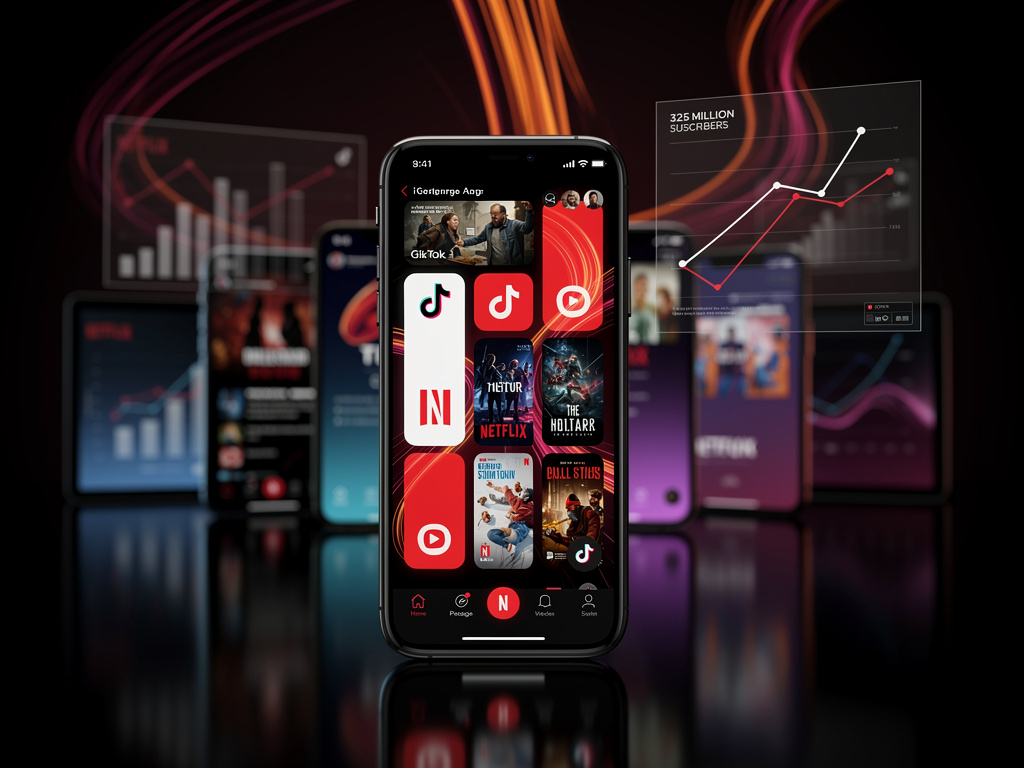
In a bold move to reclaim users’ attention from the clutches of short-form video giants, Netflix Inc. has unveiled plans for a sweeping redesign of its mobile app, aiming to foster daily engagement akin to platforms like TikTok and Instagram. Announced during the company’s fourth-quarter earnings call, this initiative marks a significant shift for the streaming behemoth, which has traditionally focused on long-form content consumption. As competition intensifies in the digital entertainment arena, Netflix is betting on integrating more interactive and snackable features to keep subscribers coming back multiple times a day.
The redesign centers on deeper integration of vertical video feeds, a format that has proven wildly successful for social media apps. According to details shared in a recent article by TechCrunch, Netflix has been experimenting with these feeds since May 2025, and the upcoming changes will expand them significantly. This isn’t just about mimicking rivals; it’s about evolving the user experience to blend seamless browsing with personalized recommendations, potentially turning passive viewers into active participants.
Industry insiders note that this pivot comes at a critical time. With global subscribers surpassing 325 million as reported in Netflix’s latest earnings, per a breakdown from CNBC, the company is under pressure to maintain growth amid saturated markets. The earnings also highlighted a planned $20 billion investment in content for 2026, signaling Netflix’s commitment to not just quantity but quality that encourages habitual use.
Echoes of Past Backlash and Lessons Learned
However, this isn’t Netflix’s first foray into interface overhauls, and history suggests caution. A 2025 TV app UI redesign, which introduced dynamic previews and larger artwork, faced widespread user backlash for being confusing and overwhelming. As detailed in a report from WebProNews, subscribers took to social media with complaints, some even threatening cancellations. Despite Netflix’s claims of improved satisfaction from internal testing, the episode underscored the risks of alienating a loyal base in pursuit of innovation.
Drawing from that experience, the current mobile app redesign appears more measured. Elizabeth Stone, Netflix’s CTO, emphasized user interaction during her TechCrunch Disrupt 2025 presentation, as covered in an analysis by MakeUseOf. The goal is to transform passive watching into an interactive affair, incorporating elements like user-generated clips or community discussions around shows. This could include features where viewers share reactions in real-time, blurring the lines between streaming and social networking.
Posts on X (formerly Twitter) reflect a mix of excitement and skepticism about these changes. Users are buzzing about the potential for Netflix to become a daily habit, with some sharing redesign concepts that echo social media aesthetics. Yet, there’s wariness, with mentions of previous updates that disrupted familiar navigation. These sentiments, gathered from recent X discussions, highlight the delicate balance Netflix must strike to win over its audience without sparking another revolt.
Strategic Shifts Amid Corporate Maneuvers
Beyond the app redesign, Netflix’s strategy involves broader corporate plays. The company recently amended its offer for Warner Bros. Discovery assets amid a hostile takeover attempt involving Paramount and Skydance, as noted in the CNBC earnings report. This move could bolster Netflix’s content library, providing more ammunition in the fight for daily engagement. By acquiring premium intellectual property, Netflix aims to create exclusive short-form content derived from popular franchises, directly competing with viral clips on YouTube or TikTok.
Financially, the redesign aligns with Netflix’s robust performance. A deep dive from FinancialContent portrays Netflix as evolving from a streaming leader to a media powerhouse, with stock analysis suggesting attractiveness even after recent pullbacks. At around $88 per share, investors are weighing the potential returns from enhanced user retention against the costs of these ambitious updates.
Moreover, Netflix’s decision to end mobile app casting for modern TVs in late 2025, as explained in another WebProNews piece, reflects a streamlining effort. With smart TVs in over 70% of U.S. households, the company is pushing users toward native apps, which could integrate better with the new vertical feeds and interactive elements. This change, while frustrating for some travelers, underscores a focus on optimized, device-specific experiences.
Innovating Content Delivery for Habitual Use
At the heart of the redesign is a push toward “snackable” content, short videos that complement Netflix’s core offerings. The TechCrunch article details how these vertical feeds will feature trailers, behind-the-scenes clips, and user-curated highlights, encouraging frequent check-ins. This mirrors strategies employed by social platforms, where endless scrolling keeps users hooked for hours.
Industry experts, drawing from analyses like the one in TechRadar, point out that Netflix’s first major UI update in 12 years back in 2025 was met with claims from the company that it provided “more information” than ever. Yet, user rage highlighted a disconnect. For the 2026 redesign, Netflix seems to be incorporating feedback loops, possibly through beta testing with select subscribers, to refine the experience.
On X, creative posts from designers showcase prototypes of Netflix apps with social-like features, such as personalized feeds and interactive polls. These user-generated ideas, while not official, illustrate the community’s vision for a more engaging platform, potentially influencing Netflix’s direction.
Balancing Innovation with User Loyalty
As Netflix pours $20 billion into content, per insights from Bleeding Cool, the emphasis is on diversity— from blockbuster series to quick-hit originals designed for mobile viewing. This investment could yield formats like episodic shorts or interactive stories, further embedding Netflix into daily routines.
Competitively, the redesign positions Netflix against not just social apps but also emerging players in interactive entertainment. A Yahoo Tech article, echoing the TechCrunch announcement, notes the experimentation with vertical videos as a direct response to shifting viewer habits. By fostering daily engagement, Netflix aims to boost metrics like time spent on app, which could translate to higher ad revenues in its lower-tier plans.
However, challenges loom. Past redesigns, as chronicled in Finanznachrichten’s coverage of Netflix stock news, have sometimes led to subscriber churn. The company must navigate this carefully, ensuring that new features enhance rather than overwhelm the core streaming experience.
Investor Perspectives and Future Trajectories
From an investor standpoint, the redesign is part of a larger narrative of adaptation. An XTB market analysis highlights the anticipation around Netflix’s Q4 2025 earnings, where content expansions and Warner Bros. pursuits were in the spotlight. With 325 million subscribers, the potential for daily engagement could significantly amplify lifetime value per user.
Critics argue that mimicking social media might dilute Netflix’s brand as a premium content provider. Yet, proponents see it as essential evolution. Drawing from a Yahoo Finance piece on stock attractiveness, the recent pullback presents buying opportunities for those betting on Netflix’s ability to innovate.
In the broader ecosystem of digital media, this redesign could set precedents. If successful, it might inspire other streamers to blend social elements, reshaping how entertainment is consumed. Netflix’s leadership in this space, backed by its massive subscriber base and content war chest, positions it well to lead the charge.
The Road Ahead for Streaming’s Pioneer
Looking forward, Netflix’s app redesign will roll out in phases, starting with select markets to gather real-time feedback. This iterative approach, informed by past missteps like the 2025 UI backlash detailed in TechRadar, aims to minimize disruptions.
User sentiment on X continues to evolve, with recent posts praising the potential for more dynamic interactions while cautioning against overcomplication. These grassroots opinions could prove invaluable as Netflix fine-tunes its strategy.
Ultimately, this overhaul represents Netflix’s recognition that in an era of fragmented attention, survival hinges on becoming indispensable daily. By weaving social-like engagement into its fabric, the company is not just competing—it’s redefining what a streaming service can be, potentially securing its dominance for years to come. With strategic acquisitions and hefty investments, Netflix is poised to transform challenges into opportunities, ensuring it remains at the forefront of digital entertainment evolution.


 WebProNews is an iEntry Publication