
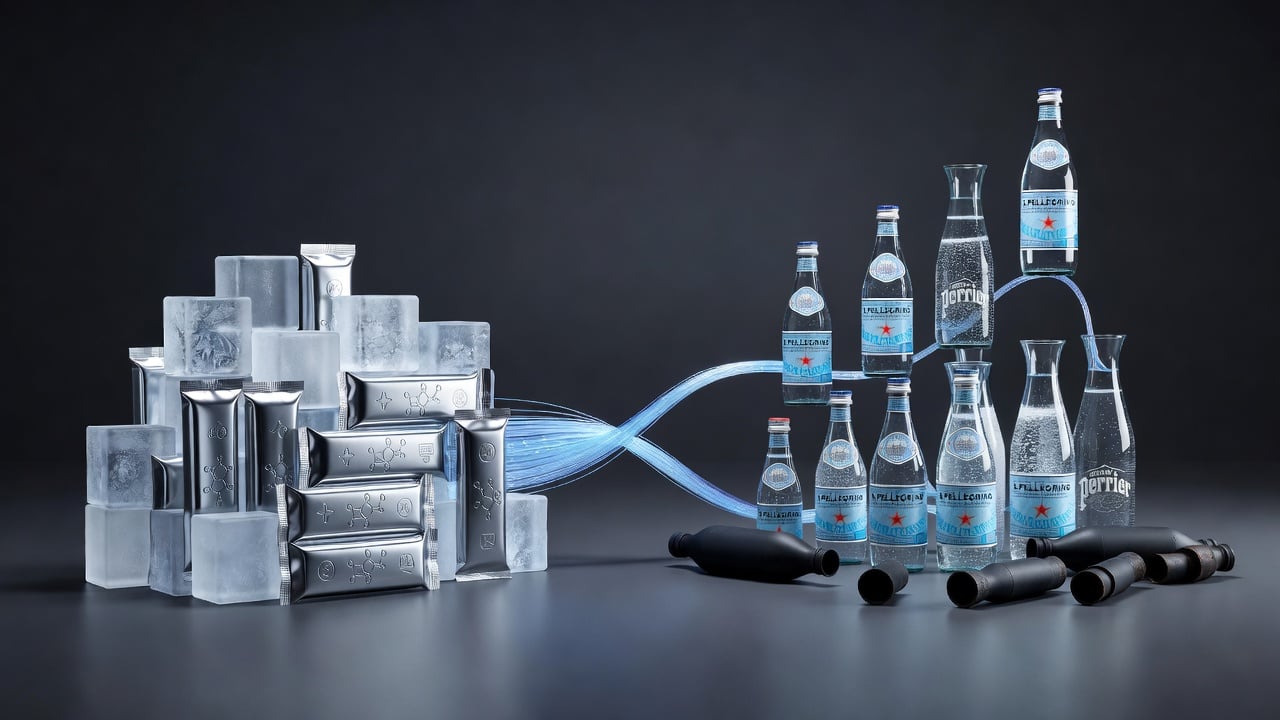
Nestlé just handed over half its bottled water operations to private equity. The $3.4 billion transaction with Platinum Equity creates Peranel, a standalone venture packed with iconic brands. S.Pellegrino. Perrier. Essentia. Acqua Panna. Nestlé Pure Life. More than 30 labels sold across 120 countries.
The Swiss giant keeps 50% ownership. Yet the move marks a clear break. Bottled water, once a growth engine, now carries too much baggage. Declining volumes in key markets. Regulatory heat over plastic. Shifting consumer tastes. CEO Philipp Navratil wants none of it slowing the core business.
“By partnering with Platinum Equity, Peranel will be better positioned to execute its strategy with enhanced agility,” Navratil said in a statement. “Through additional focus, it will be well equipped to drive its long-term growth ambitions by strengthening this unique portfolio of international and local brands, with continued investments in innovation, premiumization, operational excellence and sustainability.”
The numbers tell a blunt story. Waters and premium beverages represented just 4% of Nestlé’s total sales. That slice has struggled for years. First-half 2026 organic growth came in soft. Overall H1 sales hit 43 billion Swiss francs, down 2.5% year over year. Net profit fell 31% to 3.47 billion francs, dragged by restructuring charges. Reuters reported the details alongside the deal announcement.
Peranel launches with an enterprise value of €4.9 billion. Nestlé pockets roughly €3 billion in cash. The new company sets up headquarters in Paris. Muriel Lienau, current head of the waters unit, steps in as CEO. Full operational independence follows. “Full flexibility to invest in brands and pursue growth opportunities,” according to the official release.
But don’t mistake this for a fire sale. Navratil has spent the past year pruning with precision. Blue Bottle Coffee went to Centurium Capital. The bulk of the ice cream business shifted to Froneri. A mainstream vitamins and supplements unit sits on the block. The pattern is obvious. Shed low-margin, high-scrutiny assets. Double down on pet care, coffee, frozen foods and nutrition where returns run higher.
The Long Road to Separation
This deal didn’t appear overnight. Nestlé first floated the idea of spinning waters into a separate unit back in 2024. Cost-cutting targets loomed large then: $2.8 billion by 2027. Executives talked about giving the category room to breathe. Investors wondered if full exit loomed.
By early 2025 the signals grew louder. Rothschild & Co. started shopping a stake. Bloomberg first broke news of a formal sale process in January 2026, citing bids for a business valued near €5 billion. Potential buyers eyed debt financing between €2 billion and €3 billion. Regulatory probes in Europe added friction. Past issues with mineral water treatments in France lingered in memory. Food Ingredients First covered those early moves.
Platinum Equity, led by billionaire Tom Gores, emerged as the partner. The firm specializes in complex carve-outs. Its track record includes turning around consumer assets others view as tired. For Nestlé the structure offers upside. Shared ownership means continued brand access without full operational drag. And the cash infusion helps fund buybacks or acquisitions elsewhere.
Analysts see broader industry echoes. Bottled water faces pressure on multiple fronts. Plastic taxes. Sustainability demands. Flat or falling sales in developed markets. Premium sparkling and functional waters still grow, but the mass purified segment suffers. Peranel’s mandate centers on exactly those premium plays. International expansion. Innovation around low-plastic packaging. Direct-to-consumer channels.
Yet risks remain. Water extraction debates never fade. Public criticism of Nestlé’s past practices in Canada and elsewhere surfaces quickly on social platforms. One recent X post referenced millions of liters pulled from British Columbia and Ontario aquifers. Sentiment can turn fast. Peranel must address those perceptions head-on.
Nestlé’s first-half results underscored the urgency. Organic sales growth missed some forecasts despite beats in certain categories. Restructuring costs weighed heavily. The company now projects full-year organic growth between 3.5% and 4.5%. Investors appear to approve the portfolio surgery. Shares rose following the announcement.
Strategic Realignment in a Demanding Market
Look closer at the math. The transaction values the joint venture at a multiple that reflects both the brands’ strength and the category’s challenges. Platinum Equity pays for growth potential. Nestlé gains capital and focus. Simple as that.
The food giant’s larger transformation stretches back further. Former CEO Mark Schneider began the portfolio review years ago. Navratil, who took over in early 2025, accelerated the pace. Frozen food draws fresh attention. High-protein offerings. Convenience meals. Areas where Nestlé claims technology and distribution edges.
Peranel’s independence could unlock decisions Nestlé hesitated to make. Faster innovation cycles. Bold marketing. Acquisitions that don’t fit the parent company’s risk profile. Lienau and her team gain a mandate to act like a pure-play beverage company. That freedom carries weight.
Still, execution matters. The bottled water market isn’t vanishing. Global volumes continue to expand in emerging regions. Peranel must capture that while defending premium share in Europe and North America. Competition from Coca-Cola, Danone and regional players stays fierce. Sustainability targets, already ambitious under Nestlé, now fall to the new entity.
Wall Street reactions mixed but mostly positive. The cash proceeds strengthen the balance sheet. Reduced exposure to volatile commodity costs in packaging helps. Focus on higher-return businesses aligns with how investors value consumer staples today. One Wall Street Journal report framed the deal as part of ongoing cost pressures from restructuring.
Food Dive first detailed the agreement’s scope. Their coverage noted the 2024 origins and Navratil’s aggressive stance. That original piece captured executive comments on agility and long-term ambitions.
Industry watchers expect more moves. Vitamins sale could close soon. Additional tweaks in confectionery or other legacy categories aren’t off the table. Nestlé wants a tighter portfolio. Higher margins. Less headline risk.
The Peranel name itself blends Perrier and something evocative of panel or pinnacle. Branding experts will debate its appeal. What matters more is whether the joint venture delivers growth that justifies the separation. Early signs point to premiumization as the theme. Functional waters. Eco-friendly formats. Experiences around hydration.
Consumers have grown skeptical of big bottled water. Many now carry reusable bottles. Tap water quality improved in many cities. The industry adapted with sparkling, flavored and vitamin-enhanced options. Peranel inherits that playbook but must write the next chapter alone.
Nestlé, for its part, pivots harder toward science-backed nutrition, pet food powerhouse Purina and its Nespresso and Nescafé coffee empires. Those units deliver consistent profit. They face fewer ethical questions. The company can now talk about health, sustainability and premium indulgence without the constant water debate in the background.
So the deal closes a chapter. But it opens another for both parties. Platinum Equity bets it can wring more value from a business the food giant no longer wants to run. Nestlé bets focus beats diversification in an age of activist investors and demanding consumers. Early evidence suggests the wager has merit. Results over the next three years will render final judgment.
And the market moves on. Another major consumer packaged goods player streamlines. Private equity steps into a category it knows well. Brands that defined an era get fresh ownership and fresh marching orders. Nothing stays the same. Especially not in the world’s largest food company.


 WebProNews is an iEntry Publication