
Orbiting Crisis: The Unprecedented Medical Pullback from Humanity’s Outpost in the Stars
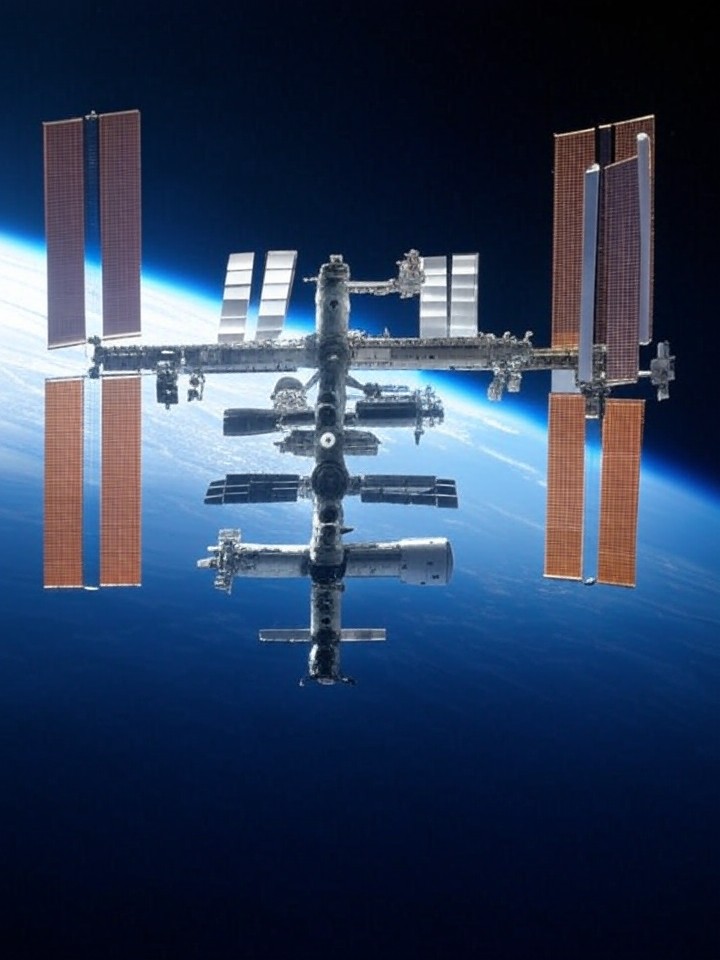
In a move that underscores the inherent risks of prolonged human presence in space, NASA has initiated what it describes as the first medical evacuation from the International Space Station. This decision comes after an astronaut developed a serious but unspecified health condition, prompting the agency to cut short the mission for a crew of four. The event, unfolding in early 2026, marks a pivotal moment in space exploration history, highlighting both the advancements in orbital medicine and the persistent vulnerabilities faced by those living beyond Earth’s atmosphere.
The affected crew, part of the Crew-11 mission, includes astronauts from the United States, Japan, and Russia, reflecting the international collaboration that has defined the ISS since its inception. According to reports, the medical issue arose suddenly, leading to the cancellation of a planned spacewalk and an expedited return plan. NASA officials have emphasized that while the situation is serious, it is not an emergency, and the astronaut remains in stable condition, allowing for a controlled descent rather than a rushed one.
Details remain sparse on the exact nature of the ailment, with the agency citing privacy concerns for the individual involved. However, sources indicate that the condition necessitated immediate attention that could not be adequately provided in orbit, despite the station’s sophisticated medical facilities. This evacuation involves the SpaceX Crew Dragon spacecraft, which will undock from the ISS and aim for a splashdown off the coast of California on January 15, 2026.
The Human Element in High-Orbit Operations
For industry experts, this incident serves as a stark reminder of the physiological toll space travel exacts on the human body. Microgravity, radiation exposure, and isolation can exacerbate underlying health issues or trigger new ones, from vision impairments to cardiovascular strains. In this case, the decision to evacuate underscores NASA’s protocol for prioritizing crew safety over mission objectives, a principle etched into the agency’s ethos since the Apollo era.
Historical precedents for medical concerns in space are not uncommon, but none have previously led to an early mission termination on this scale. Past incidents, such as astronauts experiencing kidney stones or minor injuries, were managed in situ with telemedicine support from Earth-based physicians. The current scenario, however, appears to demand terrestrial medical intervention, possibly involving specialized equipment or procedures unavailable aboard the ISS.
Collaboration among international partners has been key, with Roscosmos and JAXA coordinating closely with NASA. The crew’s return will leave the station temporarily understaffed, but plans are in place for a new commander to assume duties, ensuring continuity of operations. This seamless handover reflects the robust contingency planning embedded in multinational space endeavors.
Technical Hurdles and Evacuation Protocols
Delving into the mechanics of the evacuation, the SpaceX Crew Dragon represents a critical asset in NASA’s arsenal for crew transport. Designed with redundancy and safety in mind, the capsule can support rapid reentries, equipped with life-support systems capable of sustaining astronauts during the journey home. Engineers have confirmed that the spacecraft is fully operational, with no technical issues complicating the return.
The timeline announced by NASA points to undocking next week, followed by a precise deorbit burn to guide the capsule through atmospheric reentry. Splashdown teams, including recovery ships and helicopters, will be positioned in the Pacific Ocean to retrieve the crew promptly, minimizing post-landing risks. This operation draws on lessons from previous missions, refining procedures for medical contingencies.
Industry insiders note that while the ISS boasts an array of medical tools—from ultrasound devices to defibrillators—the limits of orbital healthcare become evident in severe cases. Telemedicine has advanced significantly, allowing real-time consultations with specialists on the ground, but certain diagnostics and treatments require gravity or advanced hospital settings, as highlighted in a recent analysis by Ars Technica.
Broader Implications for Space Medicine
This evacuation is poised to influence future protocols for long-duration missions, particularly as agencies eye Mars expeditions where immediate returns are impossible. Experts argue that enhancing onboard medical capabilities, including surgical suites and AI-assisted diagnostics, will be essential to mitigate such risks. The incident also spotlights the psychological pressures of spaceflight, where isolation can compound physical ailments.
Public reaction, as gleaned from posts on X, ranges from concern to admiration for the astronauts’ resilience. Users have shared sentiments echoing past space dramas, like the 2024 stranding of astronauts due to Boeing Starliner issues, drawing parallels to the current predicament. While not conclusive, these online discussions underscore a growing public awareness of space travel’s perils.
NASA’s administrator has publicly addressed the situation, stressing that erring on the side of caution is paramount. In a statement reported by The New York Times, the agency reiterated its commitment to crew health, framing the evacuation as a prudent measure rather than a setback.
Evolving Strategies in Crew Health Management
Looking ahead, this event may accelerate investments in regenerative medicine and personalized health monitoring for astronauts. Wearable sensors that track vital signs in real-time could predict issues before they escalate, integrating data with machine learning algorithms to provide proactive care. Such innovations are already in development, with partnerships between NASA and private firms pushing the boundaries.
The international composition of the crew adds layers to the diplomatic aspects of the response. Ensuring equitable medical support across nationalities reinforces the ISS’s role as a symbol of global cooperation, even amid geopolitical tensions on Earth. Russian and Japanese space agencies have voiced full support, with joint briefings underscoring unity.
From a logistical standpoint, the early return disrupts scheduled experiments, including those on microgravity’s effects on biology and materials science. Researchers will need to adapt, potentially rescheduling critical work for subsequent crews, as detailed in coverage from Space.com.
Lessons from Past Orbital Challenges
Reflecting on NASA’s history, this marks the first instance in over 65 years where a mission ends prematurely due to health concerns, as noted by the BBC. Previous close calls, such as the Apollo 13 crisis or Shuttle-era anomalies, focused more on mechanical failures than medical ones, making this a novel chapter.
Training regimens for astronauts already include medical simulations, but this real-world application will likely refine them further. Crew members are cross-trained in basic procedures, from administering IVs to performing CPR in zero gravity, yet the limits of such preparations are now evident.
The financial implications are noteworthy, with the evacuation incurring costs for expedited operations and potential delays in commercial partnerships. SpaceX, as the transport provider, stands to gain insights into emergency protocols, bolstering its reputation for reliability in human spaceflight.
Innovation Driven by Adversity
In the wake of this incident, calls for enhanced international standards in space medicine are growing. Organizations like the European Space Agency could collaborate on shared protocols, creating a unified framework for handling health crises in orbit. This could extend to private ventures, such as those by Blue Origin or Axiom Space, ensuring consistency across the burgeoning space industry.
Astronaut selection processes may also evolve, incorporating more rigorous pre-flight health screenings to identify latent risks. Genetic profiling and long-term health modeling could become standard, predicting how individuals might fare in extended microgravity environments.
Moreover, this event highlights the role of psychological support systems. Mental health professionals on the ground provide ongoing counseling, but integrating virtual reality therapies or AI companions could offer immediate relief during isolation periods, as explored in recent studies.
Navigating Future Frontiers
As space agencies plan for lunar bases and Mars habitats, the lessons from this evacuation will inform habitat designs with dedicated medical bays. Autonomous surgical robots, currently in prototyping, could perform procedures without Earth intervention, addressing the communication delays inherent in deep space.
Public and investor confidence in space programs remains high, with this incident viewed not as a failure but as a testament to robust safety measures. Stock movements in space-related companies have shown minimal fluctuation, indicating market maturity in handling such news.
Finally, the affected astronaut’s condition, while stable, serves as a humanizing element in the grand narrative of exploration. It reminds us that behind the technological marvels are individuals pushing the limits of endurance, their stories weaving into the fabric of human achievement in the cosmos. As the crew prepares for reentry, the space community watches closely, ready to apply these insights to safer journeys ahead.
This deep dive draws on reporting from The Guardian, which detailed the timeline, and ABC News, emphasizing the non-emergency nature. Additional context from Slashdot provides community perspectives on the stable condition aspect. Sentiment from X posts reflects broader online discussions without attributing specific claims.


 WebProNews is an iEntry Publication