
NASA’s Silent Heatwave: Record Temperatures Reported Amid Omitted Climate Ties
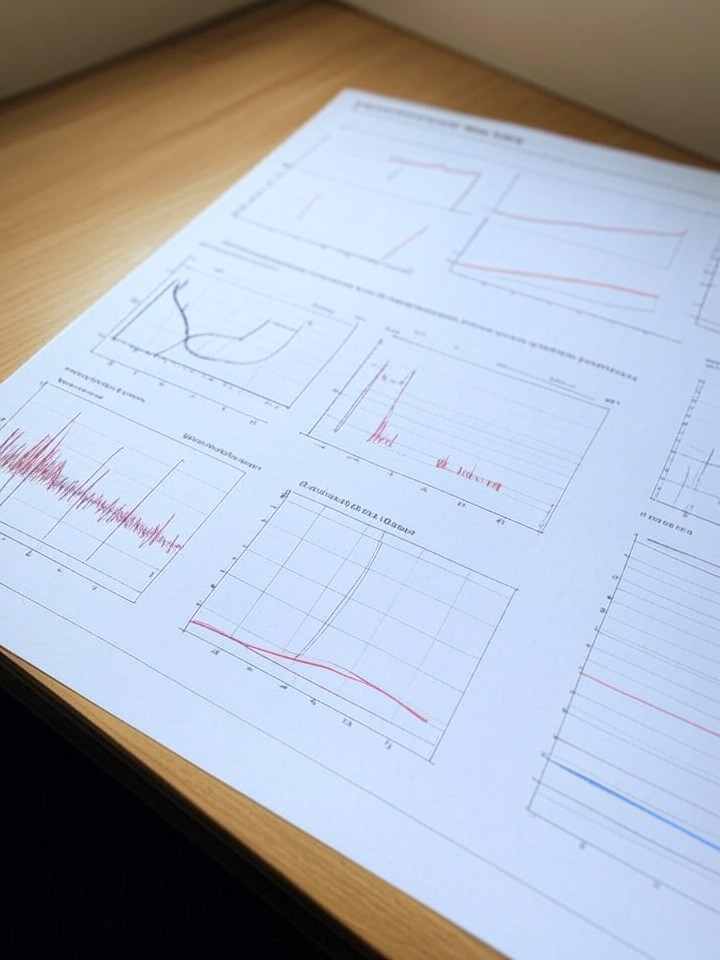
In a striking departure from decades of scientific communication, NASA’s latest annual temperature report for 2025 has confirmed it as one of the hottest years on record, yet conspicuously avoids any mention of climate change or human-induced global warming. This omission comes against a backdrop of escalating global temperatures, with data showing 2025 tying closely with previous years for extreme heat. According to the agency’s analysis, global surface temperatures last year averaged 2.14 degrees Fahrenheit above the 1951-1980 baseline, placing it neck-and-neck with 2023 as the second-hottest year, just behind 2024.
The report, released on January 14, 2026, draws from an extensive network of over 25,000 meteorological and oceanic sources worldwide. NASA scientists highlighted anomalies in regions like Europe, the Arctic, and parts of Asia and Antarctica, where heat spikes were particularly pronounced. However, the accompanying statement from the agency steered clear of attributing these trends to anthropogenic factors, a move that aligns with the current administration’s skepticism toward climate science under President Donald Trump.
This shift has sparked immediate reactions from the scientific community and environmental advocates, who see it as a politicization of data that could undermine public understanding of planetary changes. Independent analyses from organizations like Berkeley Earth and the European Union’s Copernicus service corroborate NASA’s findings, declaring 2025 the third-hottest year in modern records, despite the cooling effects of La Niña phenomena.
Political Pressures Reshaping Scientific Narratives
Experts point to the influence of the Trump administration, which has consistently downplayed the role of human activities in driving warmer conditions. In contrast, the previous year’s report under the Biden administration explicitly stated that “this global warming has been caused by human activities,” linking it to intensified weather events such as heat waves and wildfires. The 2026 statement, however, focuses solely on the data without contextualizing its causes, a tactic that critics argue dilutes the urgency of the findings.
Publications like Phys.org have detailed this change, noting that NASA’s communication now omits references to greenhouse gas emissions or long-term warming trends driven by fossil fuels. This isn’t an isolated incident; similar patterns emerged in other federal agencies during Trump’s first term, where mentions of climate change were reportedly scrubbed from official documents.
On social platforms like X (formerly Twitter), users and scientists have voiced concerns. Posts from climate researchers highlight accelerating warming rates, with one noting a forecast for 2026 temperatures potentially reaching 1.45 degrees Celsius above pre-industrial levels, signaling a “new era of catastrophic global warming.” These sentiments underscore a growing divide between raw data and its interpretation under political lenses.
Historical Context of Temperature Records
To fully grasp the significance of NASA’s 2025 report, it’s essential to review the trajectory of global temperature data. NASA’s Goddard Institute for Space Studies (GISS) has maintained records since 1880, showing a clear upward trend in average temperatures, accelerated in recent decades. The streak began prominently in 2023, with each subsequent month setting new highs, culminating in 2024 being declared the warmest year by NASA itself, as reported in their official release.
Independent monitoring groups echo this. For instance, NPR reported that scientists view 2025 as part of a trio of hottest years, including 2023 and 2024, suggesting an accelerating pace of warming. This acceleration is evidenced by satellite data and ocean temperature readings, which indicate that heat uptake by the planet has more than doubled in recent years.
Moreover, the Paris Agreement’s goal of limiting warming to 1.5 degrees Celsius above pre-industrial levels appears increasingly unattainable. NASA’s own estimates from prior years noted that 2024 saw averages exceeding this threshold for over half the year, a point reiterated in analyses from The Guardian, where experts declared the limit “dead in the water.”
Implications for Policy and Research Funding
The omission in NASA’s report raises questions about the future of climate-related research and policy in the United States. Industry insiders in environmental science and energy sectors worry that downplaying human causation could lead to reduced funding for renewable energy initiatives and climate mitigation programs. Historically, NASA’s climate data has informed international agreements and domestic policies, influencing everything from agricultural planning to insurance risk assessments.
Critics, including those cited in CP24, argue that this approach denies the reality of planetary heating resulting from human activities, potentially delaying action on emissions reductions. In Europe, services like Copernicus have no such hesitations, openly attributing record heats to anthropogenic factors and predicting similar extremes for 2026.
Social media discussions on X amplify these concerns, with posts from NASA Earth itself from previous years emphasizing human-driven warming, contrasting sharply with the current silence. One prominent thread forecasts dramatic acceleration, urging global attention to what it calls an unheeded planetary alarm.
Global Reactions and Independent Verifications
Internationally, the response has been swift and critical. French media outlet France 24 highlighted the “sharp break” from previous communications, featuring images of wildfires and heat-affected regions to underscore the human cost. In the U.S., PBS News described the year as a “warning shot” from a shifting climate, with scientists calculating 2025 among the top three hottest, driven by trends that show no signs of abating.
Yale Climate Connections, in its analysis, emphasized that despite La Niña’s cooling influence, human-caused warming pushed temperatures to near-records, affecting over 770 million people with extreme heat, as noted in reports from NBC News.
This global chorus of verification stands in contrast to NASA’s muted tone, prompting calls for transparency. Environmental professors like Bill McGuire from University College London, quoted in various outlets, warn of impending “dangerous climate breakdown” with little world preparation.
Scientific Community’s Pushback and Future Projections
Within the scientific ranks, there’s a palpable pushback against what many see as censorship. Former NASA officials and climate experts have taken to platforms like X to share unfiltered data, such as monthly temperature anomalies showing March 2025 at 1.67 degrees Celsius above average, even under La Niña conditions. These independent voices argue that omitting causation erodes trust in scientific institutions.
Looking ahead, projections from experts like those at Berkeley Earth suggest 2026 could mirror or exceed 2025’s heat, with land areas experiencing even more pronounced warming. The National Oceanic and Atmospheric Administration (NOAA), which collaborates with NASA, noted in its reports the absence of traditional media events for temperature announcements this year, a departure that signals broader shifts in how climate data is disseminated.
Industry analysts in technology and energy fields are monitoring how this affects innovation. For instance, advancements in satellite monitoring and AI-driven climate modeling rely on unfettered data access, which could be jeopardized if political influences persist.
Broader Societal and Economic Ramifications
The economic fallout from unchecked warming is already evident, with increased costs from natural disasters like wildfires threatening NASA’s own facilities, as mentioned in earlier agency statements. In California, ongoing fires have underscored the real-world impacts, yet the latest report sidesteps these connections.
Public sentiment, gauged from X posts, ranges from alarm to calls for action, with users sharing historical data showing warming acceleration since 2000. One Statista post from 2023 illustrated June 2023 as +2.23 degrees Celsius hotter than averages, a trend continuing into 2025.
For policymakers, this presents a dilemma: balancing scientific integrity with administrative directives. As global partners like the EU continue to attribute heat to human activities, the U.S. risks isolation in international climate forums.
Navigating the Path Forward in Climate Communication
Despite the omissions, the raw data from NASA remains a gold standard, informing models that predict intensifying heat waves, floods, and ecological disruptions. Scientists advocate for diversified funding sources to insulate research from political whims, ensuring that future reports can fully contextualize findings.
Collaborations with non-governmental organizations could fill communication gaps, providing the public with comprehensive analyses. For example, the World Meteorological Organization’s data aligns with NASA’s, reinforcing the human link to warming.
Ultimately, this episode highlights the tension between science and politics, urging a recommitment to evidence-based discourse. As temperatures continue to climb, the need for candid reporting becomes ever more critical to spur collective action against escalating planetary challenges.


 WebProNews is an iEntry Publication