
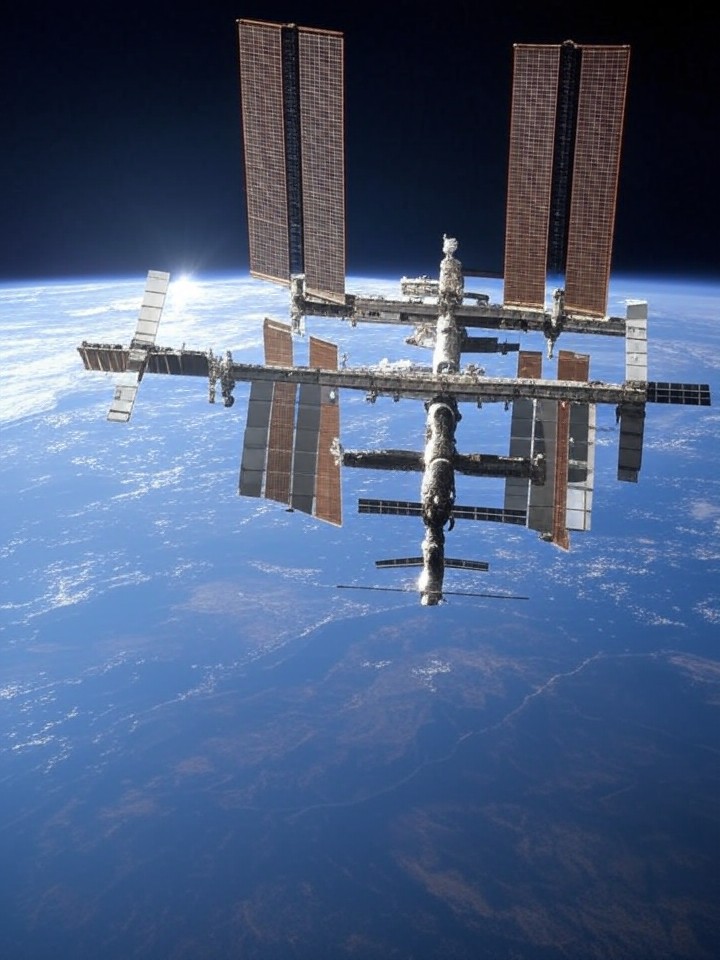
In the early hours of January 8, 2026, NASA abruptly postponed a highly anticipated spacewalk outside the International Space Station (ISS), citing a medical concern with an unidentified crew member. This decision, announced just hours before the scheduled extravehicular activity (EVA), has sent ripples through the aerospace community, raising questions about crew health protocols, mission timelines, and the broader implications for long-duration spaceflight. The spacewalk was intended to prepare for the installation of a new roll-out solar array and perform other maintenance tasks, marking what would have been the first EVA of the year.
According to official statements, the postponement stems from a “medical concern” that NASA is actively monitoring. While the agency has emphasized that the affected astronaut is stable, details remain sparse, fueling speculation among experts and observers. This event echoes past incidents where health issues have disrupted operations, underscoring the inherent risks of living and working in microgravity. Industry insiders note that such cancellations, though rare, highlight the delicate balance between human factors and technical objectives in space missions.
The Crew-11 mission, which includes astronauts from multiple international partners, has been under scrutiny as NASA weighs options, including a potential early return to Earth. This consideration comes amid preparations for the incoming SpaceX Crew-12 mission, slated for no earlier than February 15, 2026. Sources close to the program suggest that accelerating the crew rotation could minimize risks, but it would also compress schedules for training and logistics.
Unpacking the Medical Mystery and NASA’s Response
NASA’s blog post on the matter, published on January 7, provides the initial confirmation: “NASA is postponing the Thursday, Jan. 8, spacewalk outside the International Space Station. The agency is monitoring a medical concern with a crew member.” This brief update, available at NASA’s official site, avoids specifics to protect privacy, a standard practice in astronaut health matters. However, it aligns with reports from outlets like CBS News, which noted that the agency is evaluating “all options, including a possible early return to Earth for Crew 11.”
Drawing parallels to historical precedents, this isn’t the first time a spacewalk has been derailed by health-related issues. For instance, a 2024 incident detailed in Digital Trends involved the cancellation of an EVA due to discomfort experienced by an astronaut during suit-up, attributed to a spacesuit malfunction causing physical strain. While the 2026 case appears more directly tied to a personal medical situation rather than equipment failure, experts speculate it could involve conditions exacerbated by space environment, such as fluid shifts or musculoskeletal stress.
Conversations on social platforms like X (formerly Twitter) reflect a mix of concern and support. Posts from users, including those affiliated with space agencies, express well-wishes for the crew while questioning the opacity of NASA’s communications. One widely shared thread highlights the psychological toll of such uncertainties, with former astronauts chiming in on the importance of mental resilience in orbit.
Timeline of Events and Operational Impacts
The sequence began with NASA’s preview briefing on January 6, where experts outlined the dual spacewalks planned for January 8 and 15. As reported in NASA’s 2026 news releases at their dedicated page, the EVAs were critical for upgrading solar power systems and conducting routine maintenance. The sudden halt, announced late on January 7, caught many off guard, especially given the comprehensive preparations.
Scientific American captured the immediacy in their coverage: “Two NASA astronauts were scheduled to complete a six-and-a-half-hour spacewalk on January 8, but the agency has postponed it indefinitely.” This piece, accessible at Scientific American, delves into the last-minute nature of the decision, emphasizing how ground teams scrambled to reassess priorities. The postponement not only delays solar array work but also affects subsequent tasks, potentially cascading into delays for experiments reliant on enhanced power capacity.
For industry professionals, this disruption spotlights the interconnectedness of ISS operations. Partners like SpaceX, involved in crew transport, may need to adjust launch windows. A report from Spaceflight Now at their site indicates NASA is “actively evaluating all options,” including expediting Crew-12’s arrival, which could involve overtime for mission control and additional simulations.
Broader Implications for Astronaut Health in Space
Medical issues in space are not uncommon, but they demand swift, multidisciplinary responses. Conditions like space adaptation syndrome, radiation exposure, or even minor infections can escalate quickly without Earth’s gravity and medical facilities. NASA’s protocols, refined over decades, include onboard telemedicine and emergency evacuation plans via spacecraft like the Crew Dragon.
Livemint’s analysis, found at Livemint, explores the possibility of an early mission end, noting it’s a precautionary measure rather than a crisis. This perspective is echoed in CBS News reporting, which stresses the astronaut’s stable condition while acknowledging the agency’s thoroughness. Such decisions reflect lessons from past events, including the 2013 case where an astronaut’s helmet filled with water during an EVA, prompting immediate safety reviews.
On X, discussions among space enthusiasts and professionals often reference these histories, with posts urging transparency to maintain public trust. NASA’s own X account, in a post dated January 7, 2026, reiterated the postponement without additional details, linking back to their blog for updates. This communication strategy aims to balance information flow with operational security.
Strategic Considerations for Future Missions
Looking ahead, this incident could influence NASA’s Artemis program and beyond, where EVAs will be pivotal for lunar and Martian explorations. Insiders point to the need for advanced health monitoring technologies, such as AI-driven diagnostics, to preempt issues. The ISS serves as a testing ground for these innovations, and disruptions like this provide valuable data points.
India TV News, in their coverage at India TV, highlights the agency’s assurance that “everyone’s safe and stable,” while promising a new EVA date soon. This optimism is tempered by realities outlined in NewsX at NewsX, which details the medical issue as the core reason, potentially linked to the rigors of space life.
International collaboration adds another layer. With crew from the U.S., Europe, and other nations, decisions involve consensus from agencies like ESA and Roscosmos. Delays could strain these partnerships, especially as the ISS approaches its planned decommissioning in the 2030s, shifting focus to commercial stations.
Evolving Protocols and Lessons Learned
NASA’s history with spacewalk cancellations offers a roadmap for improvement. Past X posts from the agency, such as those in 2024 detailing a water leak in a spacesuit, illustrate recurring themes of equipment and health interplay. While not directly quoting specific tweets, sentiment on the platform often calls for enhanced suit designs and better pre-EVA health checks.
In the 2026 context, experts anticipate a briefing within days to clarify the path forward. NASA’s 2025 news releases, though from the prior year at NASA’s archive, show patterns of adaptive scheduling, suggesting resilience in the program.
For aerospace firms, this event underscores investment in robust life support systems. Companies like Boeing and Lockheed Martin, involved in suit development, may accelerate iterations based on emerging data.
Human Element in High-Stakes Environments
At its core, this postponement reminds us of the human vulnerabilities in space exploration. Astronauts train rigorously, yet unforeseen health concerns can arise, demanding flexibility from all involved.
As NASA navigates this, the focus remains on safety, with potential ripple effects on funding and policy. Congressional oversight committees may review protocols, ensuring resources for medical advancements.
Ultimately, this chapter in ISS operations could strengthen future endeavors, turning a setback into a stepping stone for safer space travel. With updates expected imminently, the space community watches closely, hopeful for a swift resolution.


 WebProNews is an iEntry Publication