
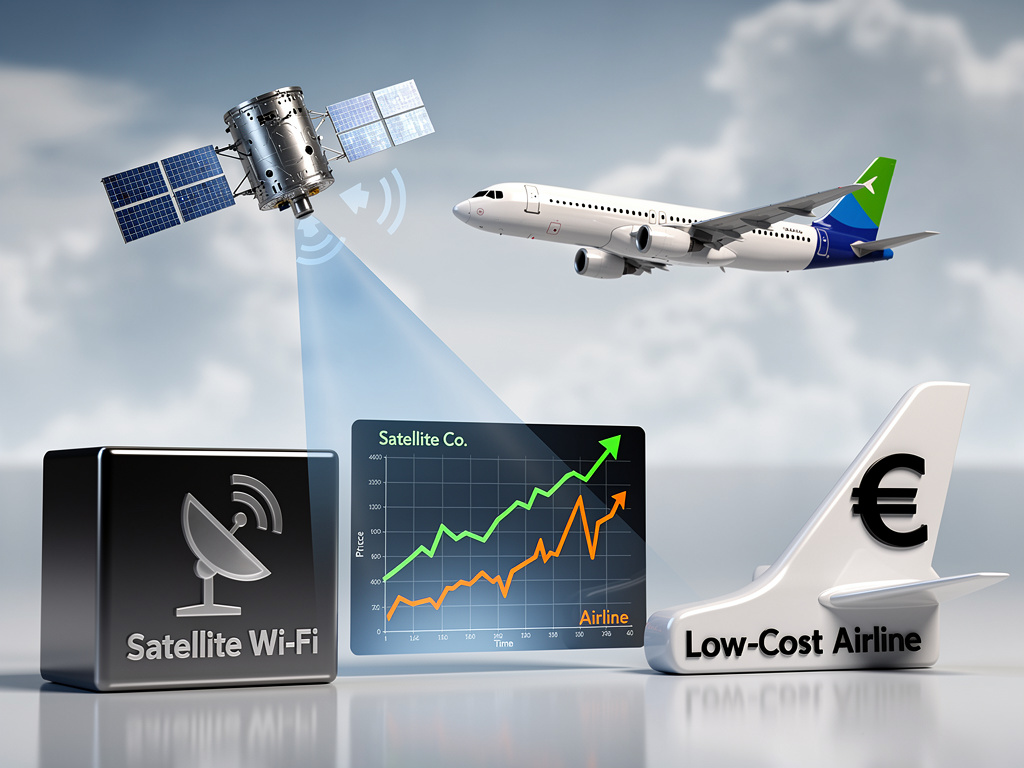
Elon Musk’s public feud with Ryanair CEO Michael O’Leary has escalated into a transatlantic spectacle, blending sharp insults, technical disputes over satellite internet and even takeover speculation. The clash erupted when O’Leary dismissed Starlink for Ryanair’s Boeing 737 fleet, prompting Musk to brand him an “utter idiot” and float the idea of acquiring the airline. As of January 22, 2026, the exchange has drawn millions of views on X, boosted Ryanair’s booking site traffic and highlighted tensions in aviation connectivity.
The root of the disagreement lies in O’Leary’s rejection of Starlink antennas on Ryanair planes. He argued they would add drag, increasing fuel burn by up to 5%, a claim Musk refuted with data showing negligible impact. “He got the fuel impact calculation wrong by a factor of 10,” Musk posted on X on January 16, urging Ryanair to “fire this imbecile.” O’Leary countered at a Dublin press conference, questioning Musk’s “umbrage” and welcoming investment but not a full buyout, according to Reuters.
Ryanair has capitalized on the drama, launching a “Big Idiot Sale” with €16.99 fares and thanking Musk for the sales surge. “Don’t thank us, thank that big ‘IDIOT’ @elonmusk,” the airline posted on X, garnering over 3 million views. Musk fired back, calling O’Leary a “retarded twat who needs to be fired” and later an “insufferable, special needs chimp.”
Technical Core of the Dispute
At issue is Starlink Aviation, SpaceX’s high-speed internet service now installed on over 500 aircraft worldwide. The flat-panel antennas weigh about 70 pounds and promise 350 Mbps speeds with low latency. Airlines like JSX and Hawaiian have adopted it, reporting seamless global coverage. Musk claims drag from the antenna is minimal, citing physics calculations and real-world 737 tests showing under 0.1% fuel penalty, per posts on X and Business Insider.
O’Leary, however, pegged additional fuel costs at €1.5 million annually per aircraft, factoring in weight and drag on Ryanair’s 600-jet fleet. “Starlink antennas would not create drag on an aircraft as ‘a stupid idiotic claim,'” he mocked Musk at the news conference, as reported by RTE. Industry analysts note legacy systems like Viasat or Intelsat dominate long-haul, but Starlink excels in low-earth orbit for reliability over oceans.
This isn’t Ryanair’s first tech standoff; O’Leary has long prioritized low costs over frills, rejecting in-flight Wi-Fi entirely. “Passengers don’t want to pay for it,” he told reporters, per BBC.
Marketing Windfall for Ryanair
The spat has driven tangible gains. Ryanair reported a “boost in sales” directly from the online row, with O’Leary joking it was Musk’s doing. The New York Post detailed the “Big Idiot” promotion, tying fares to Musk’s barbs and spiking site visits, via New York Post. Euronews noted Ryanair turning “insults into publicity,” with shares up 2% amid the buzz.
Musk, never shy of controversy, escalated by suggesting a Ryanair purchase: “Maybe I should buy Ryanair and fire him,” he posted, as covered by The Guardian. O’Leary shrugged it off: “Ryanair would welcome Musk investment,” but dismissed replacement, per Reuters. Ryanair’s €20 billion market cap makes a full takeover unlikely, though Musk’s $300 billion net worth fuels speculation.
Aviation insiders see parallels to past airline-tech clashes. Starlink’s rollout faces regulatory hurdles in Europe, including spectrum allocation, but FAA certification for aviation use bolsters its case.
Strategic Stakes in Aviation Connectivity
Starlink Aviation targets a $10 billion market by 2030, per industry forecasts. Competitors like OneWeb and HughesNet lag in satellite count—SpaceX operates over 6,000 versus rivals’ hundreds. Ryanair’s no-Wi-Fi stance suits short-haul Europe routes where flyers prioritize cheap tickets over browsing, but competitors like easyJet test satellite options.
O’Leary’s calculus: At €500 million install cost fleet-wide, payback via passenger fees seems dubious. Musk argues competitive pressure will force adoption: “Airlines that don’t have Starlink will be at a serious disadvantage,” he posted on X. USA Today explained the feud’s origins in O’Leary’s public rejection, via USA Today.
The Jerusalem Post highlighted O’Leary’s clash after Ryanair rejected Starlink, quoting his fuel concerns, per The Jerusalem Post. Sky News pondered if Musk could buy Ryanair, noting his history with provocative bids.
Broader Implications for Tech-Airline Ties
This episode underscores friction between Silicon Valley disruptors and traditional carriers. Musk’s style—blunt X posts reaching 200 million followers—contrasts O’Leary’s brash pressers, creating viral synergy. Politico framed it as a “full-blown war of words,” per Politico.
Financially, Ryanair thrives: Record profits last quarter, fares rising despite backlash. Starlink grows, with aviation revenue projected at $1.5 billion by 2027. Fox Business reported O’Leary pushing back on buyout talk, saying he’d stay, via recent coverage.
As the barbs continue, watch for Ryanair trials or regulatory nods. The Washington Post noted Ryanair leaning into the fight, boosting visibility amid Europe’s airline wars.


 WebProNews is an iEntry Publication