
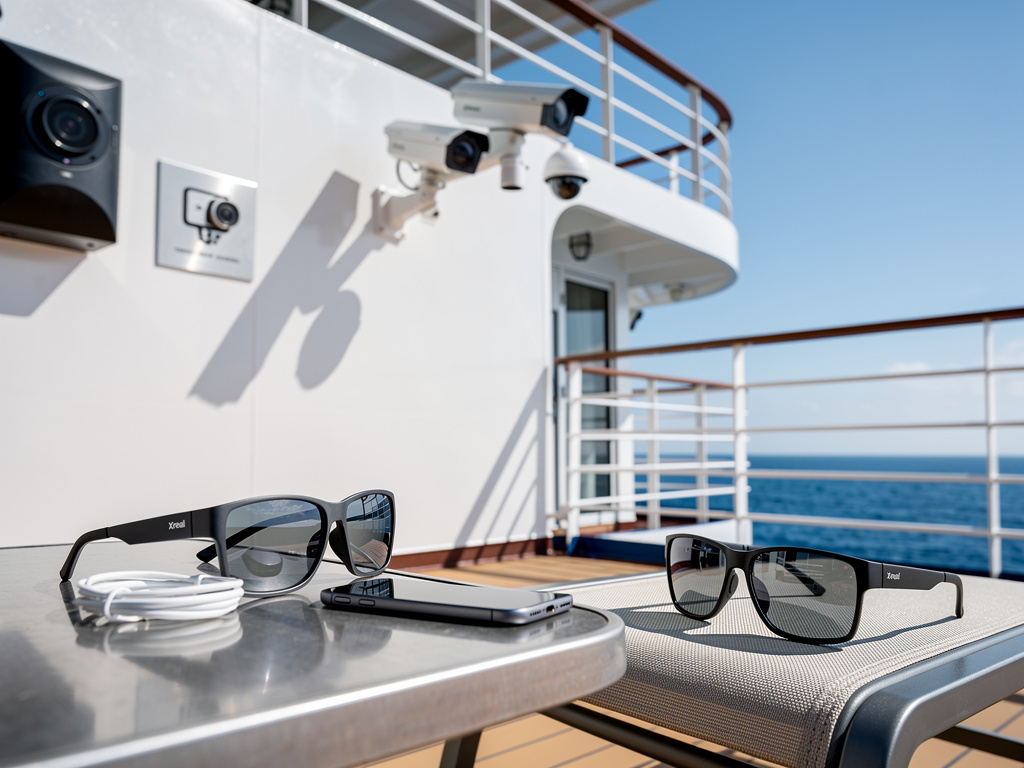
In the rapidly evolving world of wearable technology, a new policy from MSC Cruises has ignited debates about privacy, innovation, and the boundaries of personal devices in shared spaces. The cruise line, known for its expansive fleet and global itineraries, recently announced a ban on wearing smart glasses like those from Xreal and Meta in public areas aboard its ships. This move, detailed in an update to their prohibited items list, prohibits passengers from donning these augmented reality devices outside their private cabins, with confiscation as a potential penalty for violations. According to reports from Android Central, the policy targets gadgets capable of recording or streaming without obvious indicators, reflecting growing concerns over surreptitious surveillance in communal environments.
The ban comes amid a surge in smart glasses adoption, fueled by advancements in AI and AR capabilities. Devices such as Meta’s Ray-Ban smart glasses and Xreal’s latest models allow users to capture photos, videos, and even live streams discreetly, often without the knowledge of those around them. Industry insiders point to incidents where these wearables have been used to identify strangers or access personal data, raising red flags about consent and data protection. For instance, posts on X (formerly Twitter) have highlighted tools like I-XRAY, which pairs with Meta glasses to pull up personal information on passersby, amplifying fears of privacy erosion in everyday settings.
MSC’s decision isn’t isolated; it echoes broader tensions in the travel and hospitality sectors where technology intersects with guest safety. Cruise lines have long maintained lists of forbidden items, from drones to certain electronics, but this policy specifically addresses the stealthy nature of modern wearables. Passengers caught wearing smart glasses in lounges, dining areas, or pools could face temporary seizure of their devices, a measure aimed at preserving the onboard atmosphere of relaxation and security.
Rising Tides of Tech and Privacy Clashes
The cruise industry’s approach to emerging technologies has historically been cautious, balancing innovation with risk management. MSC Cruises, part of the Mediterranean Shipping Company conglomerate, operates over 20 vessels serving millions annually. Their updated guidelines, as noted in coverage from Cruise.Blog, have sparked confusion and frustration among tech-savvy travelers who view smart glasses as extensions of smartphones—tools for navigation, translation, or entertainment during voyages.
Comparisons with other cruise operators reveal a patchwork of policies. Royal Caribbean and Carnival, for example, allow wearables but prohibit recording in sensitive areas like casinos or spas, without blanket bans on public use. Norwegian Cruise Line has similar restrictions but emphasizes etiquette over outright prohibition. MSC’s stricter stance may stem from recent high-profile privacy scandals involving wearables, such as the backlash against Waves camera glasses for enabling secret live-streaming, as discussed in various X posts that criticize the lack of visible recording indicators.
Experts in wearable tech argue that this ban underscores a pivotal moment for the sector. With Google’s Android XR platform and Xreal’s Project Aura pushing boundaries, as explored in a PCMag hands-on review, smart glasses are transitioning from novelties to everyday essentials. Yet, legal frameworks lag behind, with privacy laws struggling to address “luxury surveillance,” a term coined in analyses from The Verge that describes the ethical dilemmas of recording in public without consent.
Navigating Passenger Backlash and Industry Ripples
Passenger reactions to MSC’s policy have been mixed, with some applauding the move as a safeguard against invasive tech, while others decry it as an overreach. Social media sentiment on X reveals anger from users who planned to use glasses for augmented tours or real-time translations during port excursions. One post from a cruise enthusiast lamented the ban’s impact on accessibility features, like audio enhancements for hearing-impaired travelers, highlighting unintended consequences.
From a business perspective, MSC’s policy could influence fleet-wide operations and guest satisfaction scores. The line’s sister brand, Explora Journeys, has adopted similar restrictions, signaling a unified approach within the company. Industry analysts suggest this might prompt competitors to revisit their own rules, especially as smart glasses proliferate. Recent news from CruiseFever.net outlines how violations could lead to not just confiscation but also potential disembarkation in extreme cases, aligning with broader maritime security protocols.
Deeper dives into the tech side reveal why these devices pose unique challenges. Meta’s upcoming Phoenix model, delayed to 2027 according to updates in Geeky Gadgets, promises even more seamless integration of AI, potentially exacerbating privacy issues. Xreal’s affordable $434 option, as mentioned in the same source, democratizes access, making such tech ubiquitous on cruises where diverse crowds mingle in close quarters.
Ethical Currents in Wearable Innovation
The ethical underpinnings of smart glasses bans extend beyond cruises to wider societal debates. Privacy advocates, drawing from Reuters coverage on Ray-Ban Meta glasses’ revenue boost despite competition, warn that unchecked adoption could normalize surveillance cultures. In a Reuters analysis, analysts note how privacy concerns might cap market growth, even as sales soar.
Cruise lines like MSC are not alone in grappling with this; historical precedents include bans on Google Glass in theaters and bars due to similar recording fears. X posts from as far back as 2017 reference early wearable experiments on ships, like high-tech bands for room access, but today’s smart glasses introduce audio-visual capabilities that blur lines between utility and intrusion.
For insiders in the tech and travel industries, this policy signals a need for standardized guidelines. Organizations such as the Cruise Lines International Association could play a role in harmonizing rules, ensuring that innovations enhance rather than undermine guest experiences. MSC’s proactive stance, while controversial, might set a precedent for how enclosed environments like ships regulate emerging tech.
Future Horizons for Smart Wearables at Sea
Looking ahead, the integration of smart glasses into travel could evolve with better safeguards. Developers are exploring features like mandatory recording lights or consent-based sharing, as suggested in Lifehacker’s guide to 2025 models from Lifehacker. Yet, for now, MSC passengers must adapt, perhaps relying on traditional binoculars for scenic views or apps on less conspicuous devices.
The ban also raises questions about enforcement feasibility. Crew members, trained to spot violations, face the challenge of distinguishing smart glasses from regular eyewear—a task complicated by sleek designs from brands like Meta and Xreal. Reports from USA Today, including one on the ban’s rollout, indicate that visual inspections at boarding might become routine, potentially slowing embarkation processes.
Ultimately, this development reflects the cruise sector’s adaptation to a tech-saturated era. As wearables advance, policies like MSC’s could foster discussions on digital etiquette, encouraging users to prioritize communal harmony over personal convenience. Industry watchers will monitor whether this leads to broader adoptions or legal challenges from affected passengers.
Balancing Innovation with Onboard Harmony
Delving into the economic implications, smart glasses represent a burgeoning market projected to reach billions by decade’s end. However, restrictions in high-traffic venues like cruises could temper enthusiasm. Android Central’s initial report on the ban notes passenger threats of boycotts, yet data from booking sites shows minimal impact on MSC’s sailings thus far.
Comparisons with aviation reveal parallels: airlines restrict certain electronics during flights for safety, much like cruises do for privacy. X posts amplifying concerns about secret filming underscore why MSC acted swiftly, especially post-incidents where wearables facilitated doxxing or harassment.
For tech executives, this serves as a case study in user-centric design. Future iterations might include privacy modes that disable cameras in designated zones, potentially appeasing regulators and operators alike. As Cruise.Blog referenced earlier, the ban’s “unexpected” nature caught many off guard, but it aligns with MSC’s history of stringent rules on items like irons or extension cords.
Charting a Course Through Tech Regulations
In conversations with cruise industry veterans, the consensus is that such policies are reactive but necessary. The rise of AI-powered glasses, as PCMag detailed in their review, offers immense potential for immersive experiences—virtual tours of historical sites or real-time wildlife identification during expeditions. Yet, without checks, they risk transforming serene voyages into surveillance states.
Global variations add complexity: European data protection laws, stricter than those in the U.S., might influence MSC’s Mediterranean-based operations. The Verge’s exploration of ethics in wearables highlights how international cruises must navigate diverse legal waters.
As 2025 unfolds, with new models from Apple rumored in Geeky Gadgets updates, the interplay between tech giants and travel providers will intensify. MSC’s ban, while focused on public areas, allows private use, striking a compromise that could model future regulations.
Emerging Patterns in Travel Tech Policies
Reflecting on passenger adaptations, some are turning to alternatives like smartwatches or earbuds, which face fewer restrictions. X discussions reveal creative workarounds, such as disguising glasses as prescription lenses, though this risks policy breaches.
The broader impact on innovation is nuanced. Reuters’ analysis suggests that while privacy hurdles exist, successful integrations—like Meta’s revenue gains—could inspire cruise-friendly apps, perhaps partnering with lines for onboard AR experiences.
In essence, MSC’s policy encapsulates the challenges of integrating cutting-edge tech into traditional leisure settings. By prioritizing guest privacy, it may pave the way for more thoughtful deployments, ensuring that the allure of smart glasses enhances, rather than disrupts, the cruising experience.


 WebProNews is an iEntry Publication