
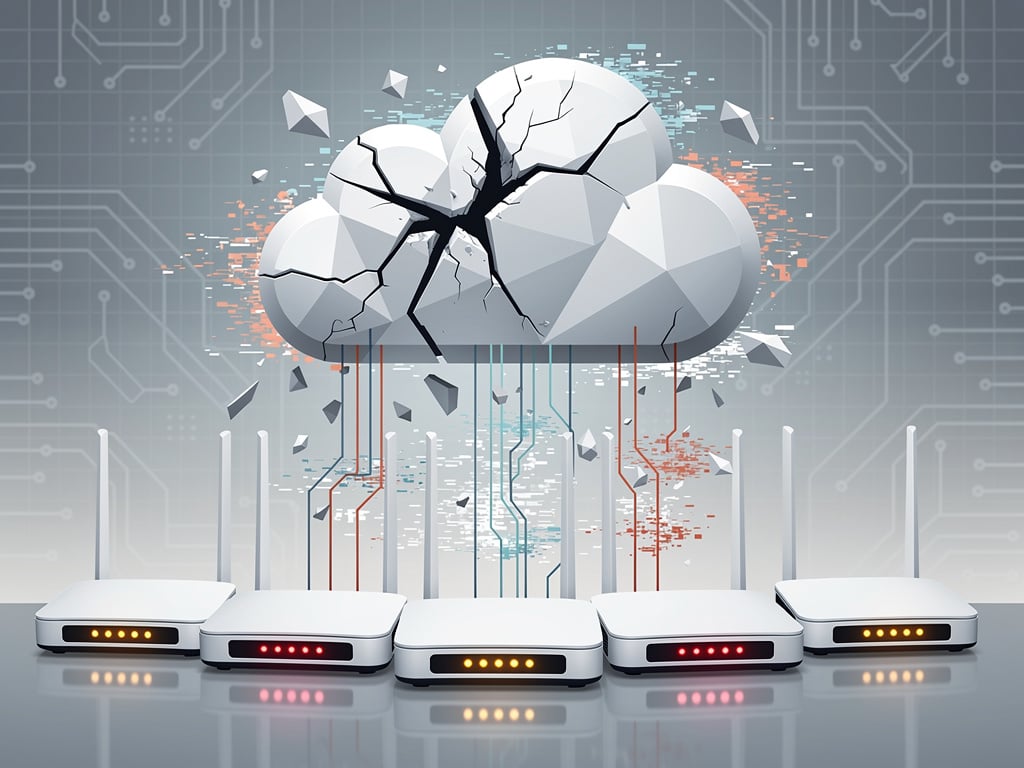
Thousands of Motorola WiFi routers suddenly became far harder to manage this spring. The MotoSync+ mobile app, essential for initial setup, configuration changes and factory resets, stopped functioning for many users around mid-May. Owners found themselves staring at endless loading wheels on iOS or blunt “Server License Expired” errors on Android. Basic tasks turned impossible. And the company offered almost no answers.
The fallout spread quickly. Existing networks kept running for some. Yet any disruption, power outage or desire to tweak settings left customers stuck. Factory resets, often the first step in troubleshooting, demanded the app. Without it, devices risked becoming expensive bricks. One month later the problem lingers with little visible progress from Motorola.
App dependency turns hardware into hostages
Motorola designed its recent router lineup around the companion app. Documentation on the company’s support site confirms that setup, device monitoring and many advanced features route through MotoSync+ or its predecessor. The Mashable investigation published June 6, 2026 detailed how the outage effectively disabled entire product lines. Users reported the app opening to a login screen then spinning indefinitely. Others saw immediate license errors. In both cases access vanished.
But the routers themselves didn’t lose internet connectivity for already-configured networks. The real damage appeared when owners needed to intervene. A power flicker, guest network adjustment or new device addition often triggered the need for the app. Without it, options narrowed to waiting or buying replacements from different brands. Frustration mounted on Reddit threads dating back to May 12, Amazon reviews from early May and App Store complaints that described $300 devices reduced to basic access points with zero control.
Motorola quietly pulled several router models from its online store around May 18. Product pages began returning 404 errors. The move came without announcement. Customers who purchased weeks earlier through Amazon or Best Buy received no outreach. When some reached support, representatives reportedly replied with a vague reference to “an issue with our networking vendor.” No timeline followed. No public statement appeared on Motorola’s main channels.
The support page for the MG8702 gateway, updated December 10, 2025, still directs users to connect to the primary WiFi network, install the latest MotoSync+ version and disable VPNs during setup. Those steps assume the app actually loads. In practice many could not get past the login screen. The page also references an upgrade path from the older MotoSync Legacy app, suggesting the company had pushed customers toward the new platform shortly before the failure hit.
App store ratings reflected the anger. Reviewers described repeated crashes, spinning wheels of death and complete inability to monitor connected devices or run speed tests. One reviewer noted deleting and reinstalling the app produced the same result. Another called their $400 router unusable after the latest outage stretched beyond ten days. Patterns match earlier complaints from 2023 when similar cloud-related disruptions affected the original MotoSync app for weeks at a time.
And the stakes rose beyond simple inconvenience. Some routers supported optional subscriptions for premium security or parental controls. Those features went offline with the app. Families lost visibility into network activity. Businesses using the devices for small offices faced configuration lockouts during critical moments. The dependency on cloud authentication created a single point of failure that hardware buyers rarely anticipate.
Motorola’s relationship with third-party software developers added complexity. Earlier reporting linked some app infrastructure to companies such as Minim and Gryphon. When those partnerships encountered problems, customers bore the cost. Support calls went unanswered or produced form letters. The absence of local web interfaces on many models left no fallback. Owners could not even perform basic resets without the mobile tool.
Recent searches turned up no fresh resolution announcements. As of early June 2026 the app remains unreliable for large numbers of users. Motorola Network support pages continue to list affected models including variants of the MG8702, MH7600 series and WiFi 7 mesh systems such as the Q15 family priced from $130 to $350. Those devices still sell through third-party retailers even as official channels show gaps.
Industry observers note this episode highlights broader risks in consumer networking. Hardware that once shipped with rich local administration panels now often funnels everything through apps and cloud accounts. Convenience comes with strings. When those strings break, expensive equipment loses its value overnight. Motorola is not alone in this approach. Yet its limited communication amplified the damage.
Customers devised workarounds where possible. Some avoided factory resets at all costs. Others switched to third-party routers that offer browser-based controls. A few reported success after waiting days for sporadic app availability, only to lose access again. The pattern suggests underlying server or licensing problems rather than simple bugs. Until Motorola explains the root cause and restores reliable function, trust will stay damaged.
Owners of these routers face a difficult choice. Keep devices that work today but may fail tomorrow. Or absorb the cost of replacement from competitors less reliant on fragile mobile apps. Either path carries frustration. The episode serves as a reminder that the hardware in your closet depends on software maintained far away. When that software disappears without warning, the silence from the manufacturer speaks volumes.


 WebProNews is an iEntry Publication