
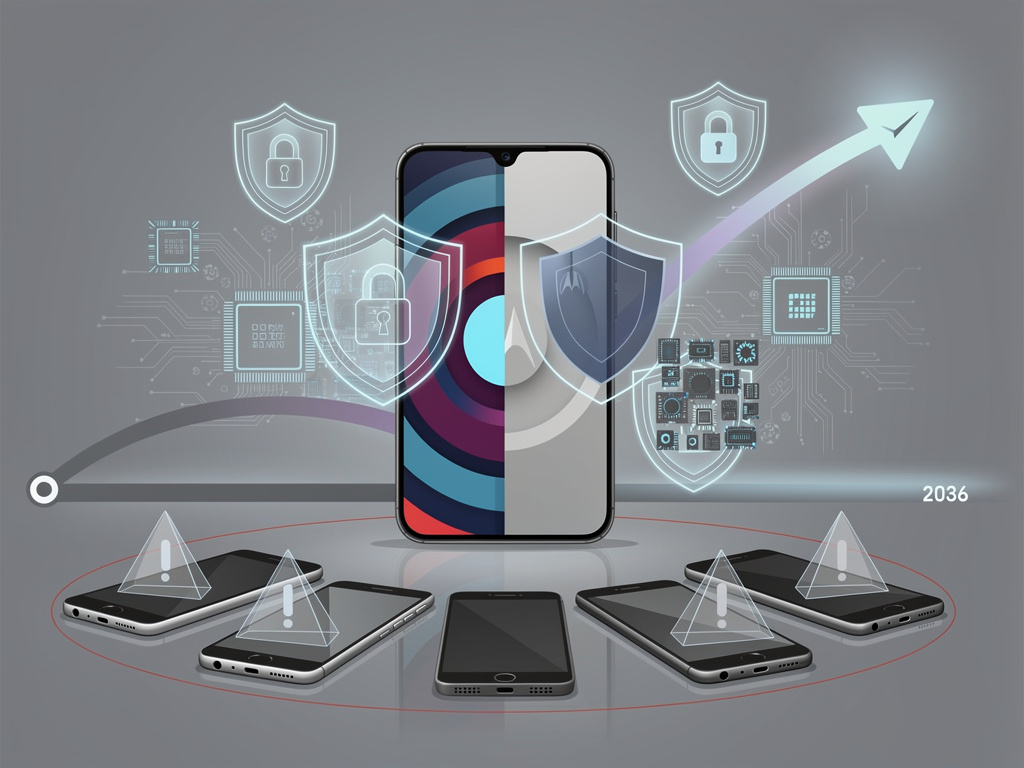
At Mobile World Congress 2026, Motorola announced a significant long-term partnership with the GrapheneOS Foundation that signals a major shift in how enterprise smartphones will approach security and privacy. This collaboration brings together Motorola’s decades of security expertise, Lenovo’s ThinkShield protection suite, and GrapheneOS’s hardened operating system architecture. However, organizations eager to deploy these devices should temper their expectations—Motorola has made clear that devices running GrapheneOS will not appear in the immediate future.
Understanding the Partnership Architecture
The partnership between Motorola and GrapheneOS represents more than a simple software licensing agreement. According to Motorola’s official announcement, the two organizations are working to develop future devices specifically engineered with GrapheneOS compatibility. A GrapheneOS representative emphasized the significance of this collaboration, stating that it marks a milestone in expanding the reach of their privacy and security-focused mobile operating system to next-generation smartphones.
What makes this partnership particularly noteworthy is the combination of complementary strengths. GrapheneOS brings its reputation as a nonprofit organization focused on advanced mobile security, featuring a hardened operating system built on the Android Open Source Project (AOSP). Motorola contributes real-world user insights accumulated over years of device manufacturing, along with established security practices. Lenovo adds its ThinkShield security framework, which provides end-to-end protection across devices, from supply chain security through below-OS protections and OS-to-cloud integrations.
Why the Timeline Matters
The delay until 2027 reflects technical realities rather than organizational hesitation. GrapheneOS maintains strict hardware requirements that existing Motorola devices do not meet. The current generation Motorola Signature, which represents the company’s flagship offering, falls short of GrapheneOS’s security standards. This gap exists not because of software limitations but because GrapheneOS requires specific hardware capabilities that Qualcomm’s latest processors are only now beginning to incorporate properly.
The primary hardware requirement causing the delay involves memory tagging extension (MTE) implementation. GrapheneOS requires robust hardware memory tagging as a fundamental security component, and while Qualcomm’s Snapdragon Elite Gen 5 processor includes MTE support, the preliminary implementation work suggests the technology may not yet be fully optimized across all device variants. This technical hurdle means Motorola cannot meet GrapheneOS requirements with 2026 devices, pushing the timeline to 2027 at the earliest.
The Business Case for Security-First Smartphones
Despite the delayed timeline, the business logic for this partnership is compelling. Organizations handling sensitive information increasingly recognize that consumer-grade Android devices expose them to unacceptable risks. Healthcare providers, financial institutions, and government agencies all face mounting pressure to protect data from sophisticated attacks. Traditional mobile device management solutions focus primarily on access control rather than defending against the underlying threats that compromise devices.
Motorola’s announcement of Moto Analytics alongside the GrapheneOS partnership indicates the company’s broader enterprise strategy. This platform provides IT administrators with real-time visibility into device performance across entire fleets, offering insights into app stability, battery health, and connectivity performance. Unlike conventional enterprise mobility management tools, Moto Analytics goes beyond simple access control to provide operational intelligence that prevents issues before they escalate and maintains employee productivity.
Privacy Features Address Enterprise Concerns
The Moto Secure platform, which received updates at MWC 2026, demonstrates Motorola’s commitment to privacy-first design. The new Private Image Data feature automatically removes sensitive metadata from photographs, eliminating location information and device identifiers while preserving the actual image content. This protection runs in the background without requiring user configuration, representing a shift toward privacy as a default rather than an opt-in feature.
These privacy enhancements align with GrapheneOS’s philosophy that security and privacy should be built into the foundation of the operating system. GrapheneOS restricts background data access automatically through its architecture, limits attack surfaces by removing unnecessary code and features, and implements comprehensive permission controls that prevent applications from accessing sensitive information without explicit user consent. By combining GrapheneOS’s hardened OS approach with Motorola’s enterprise tools, the partnership creates a comprehensive security posture that addresses both technical vulnerabilities and data protection concerns.
Challenges in Enterprise Deployment
Organizations considering these devices when they arrive should understand that GrapheneOS devices on Motorola hardware will not magically solve all enterprise security problems. The partnership is research and development heavy, with significant work ongoing behind the scenes on software enhancements and security capabilities. This developmental phase means that even after devices launch, the software and security features will continue evolving.
Current Google Pixel devices remain the only officially supported platforms for GrapheneOS, and none of these phones currently qualify as true enterprise-grade systems. Motorola hopes to bridge this gap by designing future devices specifically to meet enterprise requirements alongside GrapheneOS’s strict security standards. However, this represents uncharted territory—bringing a privacy-focused OS to enterprise hardware requires solving problems that haven’t been fully addressed before.
What Organizations Should Expect
For ready-to-deploy solutions, the benefits of this partnership will take considerable time to materialize in actual hardware. Organizations cannot implement GrapheneOS Motorola devices today or in the near term. Those seeking enterprise security improvements now must rely on existing solutions, including hardened stock Android devices combined with strong mobile device management, Motorola’s current ThinkShield protections, and comprehensive security policies.
When devices finally arrive in 2027 or later, they will represent a significant evolution in how manufacturers approach business-grade mobile security. Rather than bolting security onto consumer devices, Motorola will design phones from the ground up to meet GrapheneOS requirements. This approach should result in devices with superior security architecture, though the practical benefits will depend on how well organizations integrate these devices into their existing infrastructure and security practices.
The Broader Industry Implications
The Motorola-GrapheneOS partnership could influence how other manufacturers approach mobile security and privacy. If the collaboration proves successful in delivering secure enterprise devices, it may pressure competitors to invest in similar initiatives. The partnership also validates GrapheneOS’s approach—by partnering with a major manufacturer, GrapheneOS gains resources and market reach that could accelerate broader adoption of privacy-focused mobile computing.
For GrapheneOS, this partnership addresses a fundamental limitation of their previous model. Supporting exclusively Google Pixel devices restricted their potential audience. By collaborating with Motorola, GrapheneOS can reach enterprise customers who might never consider Pixel phones for their security needs. This expansion could transform GrapheneOS from a niche OS favored by privacy enthusiasts into a mainstream option for organizations that prioritize security above all else.
Planning Ahead While Waiting
Organizations interested in this partnership should begin preparing now, even though devices remain years away. This preparation involves evaluating current security postures, identifying which workloads truly require maximum security protection, and planning how GrapheneOS devices would integrate with existing systems. IT teams should also monitor announcements about specific device models and security features, as Motorola and GrapheneOS will likely release additional details as 2027 approaches.
The long-term nature of this partnership—described by both organizations as a long-term collaboration—suggests commitment beyond a single device release. Organizations can expect ongoing innovation as Motorola and GrapheneOS continue developing joint research, software enhancements, and new security capabilities. While the immediate availability window remains distant, the partnership represents a meaningful commitment to advancing mobile security for business users who demand the highest protection standards available.


 WebProNews is an iEntry Publication