
Motorola’s Pendant of Perception: Unveiling the Future of Wearable AI at CES 2026
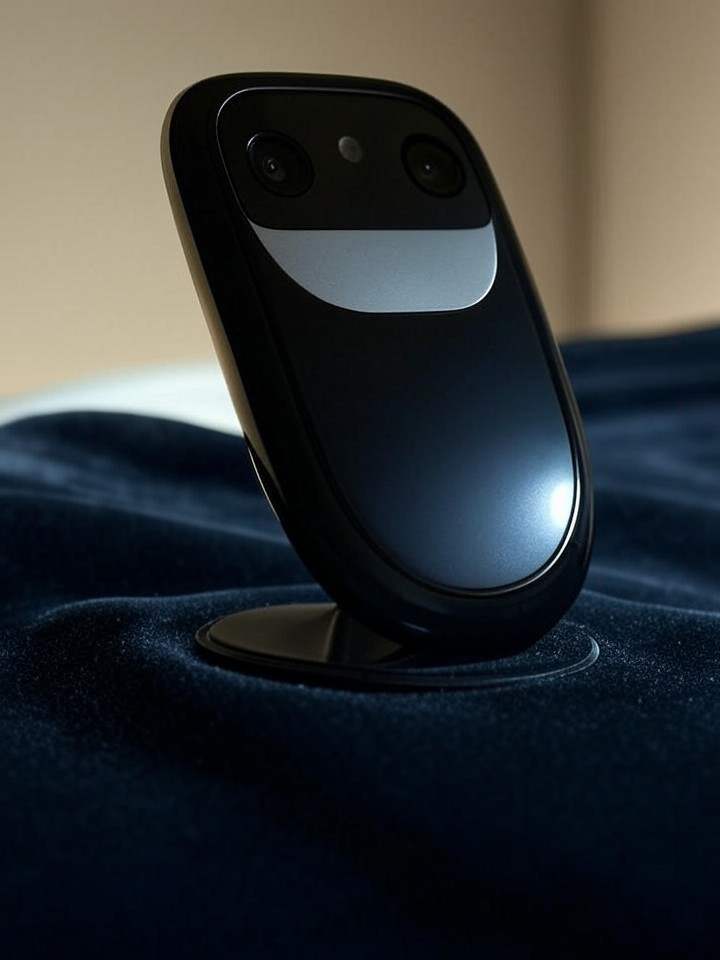
At the bustling halls of CES 2026 in Las Vegas, Motorola made a bold entrance into the burgeoning field of wearable artificial intelligence, unveiling a proof-of-concept device that could reshape how consumers interact with technology. The company, owned by Lenovo, introduced a pendant-shaped AI companion designed to act as an always-on assistant, blending seamlessly into daily life without the need for screens or constant user input. This move signals Motorola’s ambition to expand beyond smartphones into a more integrated AI ecosystem, where devices anticipate needs rather than react to commands.
The wearable, described as a necklace-like gadget, incorporates cameras, microphones, and sensors to perceive the user’s environment. It promises to offer contextual assistance, such as suggesting outfits based on weather or summarizing conversations in real-time. According to reports from the event, this prototype is part of a larger “AI living ecosystem” that connects with Motorola’s smartphones, PCs, and other hardware, creating a unified platform for AI-driven experiences. Industry observers note that this approach echoes efforts by competitors like Humane’s AI Pin, but Motorola’s version emphasizes minimalism and ambient intelligence.
Drawing from announcements at Lenovo’s Tech World showcase, which coincided with CES, the device is powered by advanced AI models capable of processing data locally to ensure privacy and speed. This integration allows for cross-device functionality, where the pendant could, for instance, hand off tasks to a connected phone or smart home system. Early demonstrations highlighted its ability to recognize objects, translate languages on the fly, and even provide navigation cues without pulling out a smartphone.
Innovations in Hardware and AI Integration
Motorola’s foray into this space isn’t entirely new; the company has experimented with flexible and wearable tech in the past. Posts on X from as early as 2023 discussed Motorola’s adaptive display concepts, where phones could bend into wrist-worn devices, hinting at a long-term vision for body-centric computing. At CES 2026, this evolved into the pendant form factor, which avoids the bulk of smartwatches or AR glasses, opting instead for a discreet, jewelry-like design that appeals to fashion-conscious users.
The technical underpinnings, as detailed in coverage from Gadgets 360, reveal a prototype codenamed Project Maxwell. This device leverages a unified AI platform that synchronizes across Motorola’s product lineup, enabling features like proactive reminders or environmental awareness. For example, if the pendant detects a user entering a meeting, it could automatically silence notifications on linked devices or transcribe notes.
Insiders point out that this hardware-software synergy is crucial in an era where AI is increasingly embedded in everyday objects. Unlike voice-only assistants like Amazon’s Alexa, Motorola’s pendant uses multimodal inputs—visual, auditory, and sensory—to build a more holistic understanding of the user’s context. This could open doors to applications in health monitoring, where the device tracks vital signs subtly, or in accessibility, aiding those with visual impairments through descriptive audio feedback.
Market Positioning and Competitive Dynamics
Positioning itself against giants like Apple and Google, Motorola is betting on affordability and ecosystem openness to carve out a niche. The pendant’s proof-of-concept status means it’s not yet ready for market, but the buzz at CES suggests potential partnerships with app developers to expand its capabilities. Reports from Mashable emphasize how this device fits into Motorola’s broader strategy of “AI-powered innovation,” including new flagship smartphones like the Razr Fold unveiled at the same event.
Competition is fierce, with devices like Meta’s Project Orion AR glasses showcasing advanced holographic interfaces, as noted in various X posts highlighting wearable tech trends. Motorola’s pendant differentiates by being less intrusive—no lenses obscuring vision or heavy headsets—focusing instead on passive companionship. This could appeal to privacy-conscious consumers wary of always-listening devices, especially since local processing minimizes data sent to the cloud.
From a business perspective, Lenovo’s ownership provides Motorola with resources to scale production if the concept proves viable. Analysts speculate that pricing could undercut premium wearables, targeting emerging markets where Motorola has a strong foothold. The integration with Lenovo’s Qira AI platform, mentioned in event coverage, suggests a push toward enterprise applications, such as in logistics where workers could receive hands-free guidance.
Technical Challenges and Development Hurdles
Despite the excitement, developing such a device presents significant engineering challenges. Battery life remains a key concern; packing AI processing into a small pendant requires efficient chip design, possibly leveraging advancements in edge computing. Sources from ZDNET at CES 2026 highlighted how AI hardware is evolving, with Motorola’s prototype demonstrating impressive on-device inference but raising questions about heat management and durability in a wearable format.
Software reliability is another hurdle. Ensuring the AI accurately interprets environmental data without errors—such as misidentifying objects or invading privacy—will require rigorous testing. Motorola’s history with AI, including the MotoAI tool for generating adaptive interfaces, provides a foundation, but scaling to real-world scenarios demands robust machine learning models trained on diverse datasets.
Furthermore, regulatory scrutiny could impact rollout. Wearables with cameras and mics invite concerns over data collection, especially in regions with strict privacy laws like the EU’s GDPR. Motorola may need to emphasize user controls, such as opt-in features for data sharing, to mitigate backlash. Industry insiders speculate that collaborations with AI ethics groups could help navigate these waters.
User Experience and Potential Applications
Envisioning daily use, the pendant could transform mundane tasks. Imagine walking through a city, and the device whispers directions or historical facts about landmarks via bone-conduction audio, keeping your hands and eyes free. Posts on X from tech enthusiasts at CES praised this hands-free ethos, drawing parallels to earlier concepts like Motorola’s flexible phone prototypes that blurred lines between devices.
In professional settings, it might serve as a virtual aide for executives, summarizing emails or preparing briefings en route to meetings. For consumers, integration with smart homes could mean seamless control of lights, thermostats, or security systems based on detected routines. Coverage from CNET‘s live updates noted the device’s role in an “AI living ecosystem,” where it acts as a hub for personalized experiences.
Accessibility features stand out as a strong suit. For the elderly or those with disabilities, the pendant could monitor falls, remind about medications, or even call for help autonomously. This aligns with broader trends in AI for social good, potentially positioning Motorola as a leader in inclusive tech.
Strategic Implications for Motorola and Lenovo
Strategically, this unveiling at CES 2026 via the Lenovo Tech World showcase underscores a unified front between parent and subsidiary. As detailed in Lenovo StoryHub, Motorola debuted alongside premium devices like a special edition FIFA Razr, blending entertainment with innovation to attract a wider audience.
For Lenovo, owning Motorola allows cross-pollination of technologies, such as adapting laptop AI features to wearables. This could strengthen their position in the global market, where AI adoption is accelerating. Financially, success here might boost stock valuations, especially if the pendant evolves into a commercial product line.
Looking ahead, partnerships could be key. Collaborations with software giants for app ecosystems or hardware firms for component supply might accelerate development. The proof-of-concept nature invites feedback, with Motorola likely iterating based on CES reactions.
Broader Industry Trends and Future Prospects
The pendant reflects a shift toward ambient computing, where technology fades into the background. Unlike screen-heavy gadgets, it prioritizes intuition over interaction, a theme echoed in TechTimes coverage of Motorola’s CES presence. This could influence competitors to rethink form factors, moving away from wristbands toward more versatile wearables.
Consumer sentiment, gauged from X posts, shows enthusiasm mixed with skepticism about practicality. Will users embrace a neck-worn device, or will it join the ranks of forgotten gadgets? Early adopters in tech-savvy demographics might drive initial sales, paving the way for mainstream acceptance.
Ethically, the device raises questions about surveillance. Ensuring transparent AI operations will be vital to build trust. Motorola’s emphasis on user-centric design could set a standard, encouraging the industry to prioritize ethics alongside innovation.
Path to Commercialization and Ecosystem Expansion
As Motorola refines this prototype, the path to market involves prototyping iterations and user trials. Insights from CES demos suggest a focus on modularity, allowing customization like adding health sensors. This flexibility could extend battery life and functionality, addressing common wearable pitfalls.
Expanding the ecosystem, integration with third-party services—think fitness apps or navigation tools—would enhance value. Lenovo’s global reach could facilitate international launches, tailoring features to regional needs, such as language support in diverse markets.
Ultimately, if Motorola navigates these challenges, the pendant could herald a new era of personal AI companions, making technology an invisible ally in everyday life. The CES 2026 reveal, while conceptual, plants a seed for what might become a staple in personal tech arsenals.


 WebProNews is an iEntry Publication