
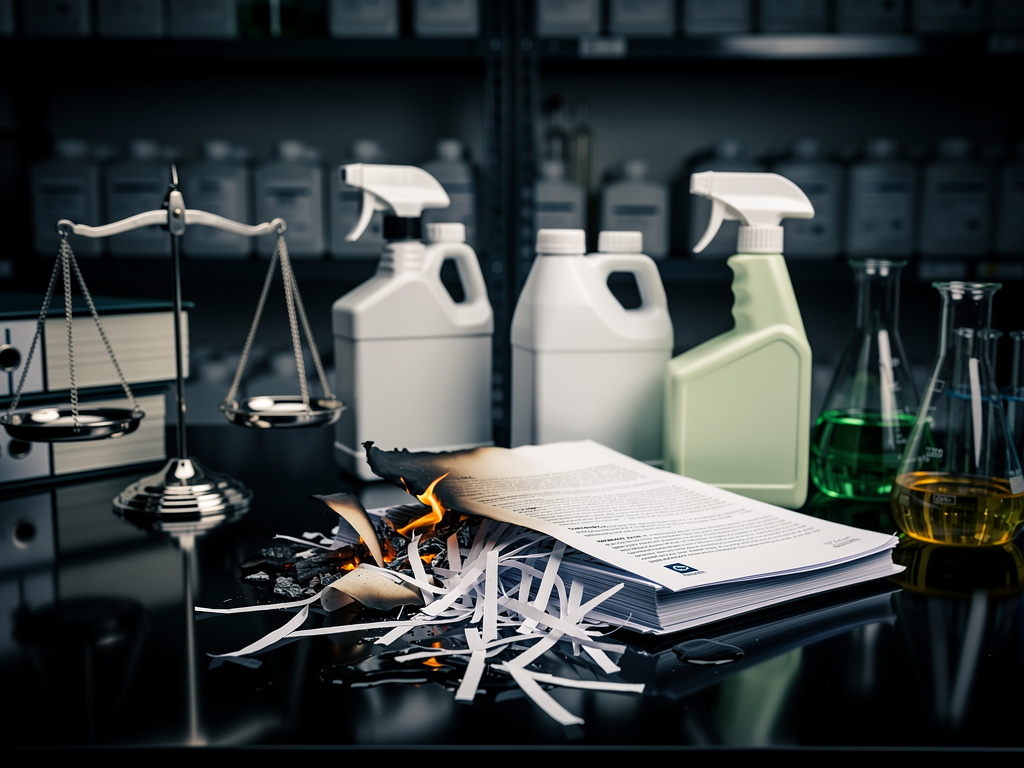
The Ghost in the Glyphosate Machine: Unraveling a 25-Year Scientific Scandal
In a stunning turn of events that has sent shockwaves through the agricultural and regulatory worlds, a pivotal study on the safety of glyphosate—the active ingredient in Monsanto’s blockbuster herbicide Roundup—has been retracted nearly a quarter-century after its publication. The paper, originally published in 2000 in the journal Regulatory Toxicology and Pharmacology, concluded that glyphosate posed no significant health risks to humans, including no link to cancer. This retraction, announced quietly last week, stems from revelations that the study was ghostwritten by Monsanto employees, with the company’s influence undisclosed and ethical standards breached. According to reporting from U.S. Right to Know, the study had been a cornerstone for regulators globally, cited extensively to justify the continued approval of glyphosate-based products.
The retraction highlights a deeper crisis in scientific publishing and corporate influence over research. Court documents from lawsuits against Monsanto, now owned by Bayer AG, revealed in 2017 that company scientists drafted the paper, which was then attributed to independent experts. These disclosures emerged during high-profile litigation where plaintiffs alleged that Roundup caused non-Hodgkin lymphoma. The journal’s decision to retract came after years of pressure from advocacy groups and scientists who pointed to “serious ethical concerns,” including failure to disclose Monsanto’s financial ties and reliance solely on unpublished company data. As detailed in a press release from the Center for Biological Diversity, the paper ranked in the top 0.1% of cited articles in its field, underscoring its outsized impact on policy.
For industry insiders, this development raises uncomfortable questions about the integrity of toxicological research. Glyphosate, discovered by Monsanto in the 1970s, revolutionized farming by enabling no-till agriculture and genetically modified crops resistant to the herbicide. Annual global usage exceeds 800,000 tons, with Bayer reporting billions in sales from Roundup products. Yet, the retracted study’s conclusions helped fend off bans and restrictions, even as conflicting research from bodies like the International Agency for Research on Cancer (IARC) classified glyphosate as “probably carcinogenic” in 2015. The fallout now prompts a reevaluation of how such studies shape environmental and health regulations.
Echoes of Corporate Influence in Science
The saga began in the late 1990s when Monsanto faced growing scrutiny over glyphosate’s safety amid emerging studies suggesting potential genotoxicity. The 2000 paper, authored by Gary M. Williams and others, reviewed existing data and dismissed cancer risks, but internal emails uncovered in court showed Monsanto’s William Heydens editing drafts extensively. As reported by Le Monde, the journal’s retraction notice cited violations of authorship guidelines, noting that the text was “actually prepared by Monsanto.” This isn’t an isolated incident; similar ghostwriting allegations have plagued the pharmaceutical and chemical industries, eroding public trust.
Regulatory agencies, including the U.S. Environmental Protection Agency (EPA), leaned heavily on this study in their assessments. The EPA’s 2020 review reaffirmed glyphosate’s safety, citing the now-retracted paper among others. However, with the retraction, critics argue for a fresh look. In Canada, environmental groups have petitioned Health Canada to revisit glyphosate approvals, as noted in coverage from CTV News. The agency’s Pest Management Regulatory Agency had previously relied on the study, but officials maintain that their decisions incorporate a broad evidence base.
Bayer, which acquired Monsanto in 2018 for $63 billion, has downplayed the retraction’s significance, stating it doesn’t alter the overall scientific consensus on glyphosate’s safety. Yet, the company faces ongoing litigation, with over 100,000 lawsuits settled for $11 billion in 2020, and more cases pending. Industry analysts suggest this could embolden plaintiffs and regulators, potentially leading to stricter labeling or usage limits in key markets like Europe, where the European Union renewed glyphosate’s approval in 2023 amid fierce debate.
Regulatory Ripples and Global Repercussions
The retraction’s timing is particularly poignant, coming amid heightened global attention to pesticide safety. In the U.S., the EPA is under pressure from lawsuits challenging its glyphosate rulings, with courts previously ordering the agency to reassess ecological impacts. Advocacy from groups like the Center for Food Safety has amplified calls for independent reviews, emphasizing how the retracted study skewed risk assessments. Posts on X (formerly Twitter) reflect public sentiment, with users expressing outrage over corporate deception, though some defend glyphosate based on other studies from agencies like the European Food Safety Authority (EFSA).
Internationally, the implications are profound. The study influenced decisions in countries from Brazil to Australia, where glyphosate is integral to soy and wheat production. In France, where Le Monde’s reporting originated, anti-glyphosate campaigns have gained traction, with President Emmanuel Macron once pledging a phase-out by 2021, though it was later walked back. Now, with the retraction, European Parliament members are pushing for renewed scrutiny, potentially affecting Bayer’s market access.
For farmers and agribusiness, the uncertainty could disrupt supply chains. Glyphosate’s affordability and efficacy make it indispensable for many, but alternatives like dicamba or glufosinate come with their own environmental drawbacks. Industry experts warn that knee-jerk reactions might increase costs without clear health benefits, citing comprehensive reviews from the World Health Organization that align with the EPA’s non-carcinogenic stance for typical exposures.
Unpacking the Ethical Quagmire
Delving deeper into the ethical lapses, the journal’s co-editor admitted the paper’s influence made the retraction “a difficult decision,” as per insights from Retraction Watch. The failure to disclose Monsanto’s role violated Committee on Publication Ethics guidelines, which demand transparency in funding and authorship. This case echoes scandals like the tobacco industry’s manipulation of research in the 20th century, where ghostwritten studies delayed regulations.
Scientists involved in the original paper have faced backlash, with some distancing themselves while others maintain the conclusions hold based on data. However, the exclusive use of Monsanto’s unpublished studies undermined the review’s objectivity, ignoring peer-reviewed research that hinted at risks like endocrine disruption. Recent meta-analyses, including one in the Journal of the National Cancer Institute, have found weak associations with certain cancers at high exposure levels, though causation remains debated.
The broader scientific community is now grappling with how to prevent such influences. Proposals include mandatory disclosure of all data sources and independent audits for high-stakes reviews. Journals like Regulatory Toxicology and Pharmacology, owned by Elsevier, are tightening policies, but critics argue systemic reforms are needed to counter corporate funding’s sway.
Industry Responses and Future Horizons
Bayer’s defense hinges on a mountain of other studies affirming glyphosate’s safety when used as directed. For instance, the EFSA’s 2023 assessment, involving 2,400 studies and 90 experts, found no critical concerns. Posts on X from experts like toxicologist Andrea Love highlight this consensus, countering alarmist narratives. Yet, the retraction fuels skepticism, especially as new research explores glyphosate’s effects on microbiomes and biodiversity.
In the U.S., agricultural lobbies like the American Farm Bureau are monitoring developments closely, fearing regulatory overreach. Economists estimate that a glyphosate ban could cost farmers billions in yield losses, prompting investments in precision agriculture to minimize usage. Meanwhile, organic farming advocates see an opportunity to promote alternatives, though scaling them globally remains challenging.
Looking ahead, this scandal may accelerate innovation in sustainable pest management. Biotech firms are developing gene-edited crops with built-in resistances, reducing herbicide dependency. Regulatory bodies, learning from this episode, might prioritize diverse data sources, ensuring future approvals withstand scrutiny.
Lessons from a Tarnished Legacy
The retracted study’s legacy is a cautionary tale of how one flawed paper can dominate discourse for decades. It propped up an industry worth tens of billions while sidelining dissenting voices. As reported in The New Lede, the journal’s action acknowledges the paper’s role in misleading regulators, potentially opening doors to more rigorous evaluations.
For industry insiders, the key takeaway is the need for vigilance against undue influence. While glyphosate remains approved in most jurisdictions, this retraction erodes its unassailable status, inviting fresh debates on risk-benefit analyses. Environmental groups, buoyed by the development, are ramping up campaigns, as seen in Canadian outlets like Fraser Valley Today, urging governments to act.
Ultimately, the episode underscores the delicate balance between innovation and safety in modern agriculture. As stakeholders navigate this fallout, the focus shifts to transparent science that serves public interest over corporate agendas, ensuring that future generations inherit fields free from hidden hazards.


 WebProNews is an iEntry Publication