
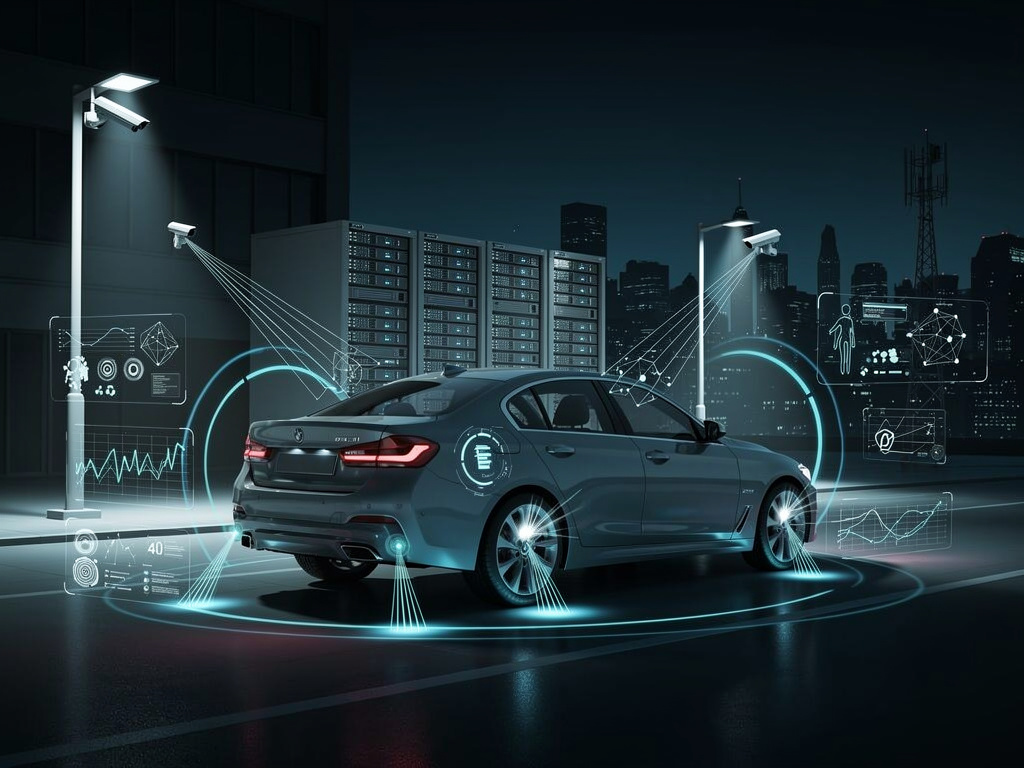
In an era where vehicles double as rolling data centers, the line between convenience and intrusion has blurred dramatically. Modern cars, equipped with an array of sensors, cameras, and connectivity features, are quietly amassing troves of personal information on drivers—often without explicit consent. From tracking your daily coffee runs to monitoring driving habits that could influence insurance rates, these machines are transforming into sophisticated surveillance tools. This shift raises profound questions about privacy in a connected world, especially as automakers and third parties monetize the data.
The revelations stem from various investigations highlighting how cars collect everything from location data to biometric details. For instance, a report from the Mozilla Foundation labeled cars as the “worst product category” for privacy they’ve ever reviewed, pointing out that major brands fail basic standards for data protection. Drivers might be unaware that their vehicle’s infotainment system could log conversations or that onboard cameras capture facial expressions, potentially inferring emotions or health states.
Beyond mere collection, this data often flows to brokers and insurers, creating a secondary market for personal insights. Public records obtained through Freedom of Information Act requests reveal law enforcement’s growing appetite for this information, using it to track suspects or monitor public movements without traditional warrants.
The Mechanics of Automotive Data Harvesting
At the heart of this ecosystem are telematics systems, which integrate GPS, accelerometers, and microphones to gather real-time data. A vehicle might record not just where you drive but how aggressively you accelerate, how often you brake hard, or even the weight of passengers—details that could reveal sensitive patterns like visits to medical clinics or religious sites.
Industry insiders note that subscription-based features exacerbate the issue. Features like remote start or navigation, often marketed as premium add-ons, require constant internet connectivity, opening doors to continuous surveillance. According to documents reviewed by WIRED, police agencies have eagerly tapped into these data streams, treating cars as extensions of public monitoring networks.
Moreover, autonomous and semi-autonomous vehicles amplify the risks. With fleets of driverless cars from companies like Waymo roaming streets, their external cameras capture not only the road but pedestrians and surroundings, storing footage that law enforcement can access. A case in Arizona, where police used a self-driving car’s video to pursue a kidnapping suspect, underscores the Fourth Amendment debates this technology ignites.
Regulatory Gaps and Global Responses
As we enter 2026, regulatory frameworks are scrambling to catch up. In the U.S., the absence of comprehensive federal privacy laws leaves a patchwork of state rules, allowing data sharing with minimal oversight. Experts from the Center for Democracy & Technology warn that artificial intelligence integration will supercharge these capabilities, enabling predictive analytics on driver behavior that could preemptively flag individuals for authorities.
Internationally, efforts are more proactive. The European Union’s data protection regulations have pushed some automakers to enhance transparency, though enforcement remains inconsistent. A recent report from the University of New South Wales examined 15 popular car brands in Australia, revealing widespread sharing of personal data, including selling it to advertisers without user knowledge.
Calls for reform emphasize user control, such as opt-out mechanisms or mandatory data deletion policies. Yet, industry resistance persists, with automakers arguing that data collection fuels innovations like predictive maintenance and safer driving algorithms. Balancing these benefits against privacy erosion remains a contentious battleground.
Voices from the Front Lines: Driver Experiences and Expert Warnings
Personal anecdotes illuminate the human cost. Drivers have reported spikes in insurance premiums after their cars transmitted data on minor infractions, like brief moments of speeding. One user on social platforms described discovering their vehicle’s app had logged every Starbucks visit, correlating it with spending habits shared with marketers—echoing sentiments in posts found on X where individuals express outrage over cars acting as “surveillance cages.”
Experts like Sarah Holland from Data & Society highlight the lack of standardization in data retention. Companies vary wildly in how long they store information, from weeks to indefinite periods, creating accountability voids. This variability complicates legal challenges, as drivers struggle to know what’s collected or how to purge it.
Furthermore, cybersecurity threats loom large. With vehicles increasingly connected, hackers could exploit vulnerabilities to access personal data. A forecast from EV Infrastructure News predicts that 2026 will see intensified global regulations on automotive cybersecurity, mandating secure-by-design architectures to prevent breaches that expose driver information.
The Role of AI in Amplifying Surveillance
Artificial intelligence is poised to deepen these concerns. By analyzing vast datasets from vehicles, AI can infer intimate details—such as inferring a driver’s stress levels from steering patterns or predicting routines based on historical routes. Privacy advocates, including Jake Laperruque from the Center for Democracy & Technology, caution that unchecked AI deployment in policing could lead to reckless surveillance, particularly in sensitive areas like immigration enforcement.
Recent news underscores this trajectory. Reports indicate law enforcement’s experimentation with AI-enhanced vehicle data for real-time tracking, blurring lines between public safety and overreach. In one instance, autonomous vehicle feeds assisted in emergencies, but without clear guidelines, such uses risk normalizing mass monitoring.
The integration of AI also extends to predictive policing, where vehicle data might flag “suspicious” patterns preemptively. This raises ethical dilemmas, as biases in algorithms could disproportionately affect marginalized communities, amplifying existing inequalities in surveillance practices.
Industry Pushback and Consumer Push for Change
Automakers defend their practices by touting safety enhancements. Features like automatic emergency braking rely on constant data feeds, they argue, justifying the collection. However, critics counter that transparency is lacking—many privacy policies are buried in fine print, and consent is often implied rather than explicit.
Consumer advocacy groups are mobilizing. The Mozilla Foundation’s ongoing reviews pressure brands to improve, with some responding by offering better data controls. For example, after public backlash, certain manufacturers have introduced dashboards allowing users to view and delete collected information, though adoption is uneven.
Looking ahead, proposed legislation in 2026, such as expanded privacy frameworks discussed in The Verge, aims to enforce stricter rules on data handling. These could mandate notifications for data sharing and penalties for non-compliance, potentially reshaping how vehicles interact with personal information.
Emerging Technologies and Future Risks
As electric and autonomous vehicles proliferate, new surveillance vectors emerge. Vehicle-to-everything (V2X) communication allows cars to exchange data with infrastructure, creating networked surveillance webs. This could enable cities to monitor traffic in unprecedented detail, but at the cost of individual anonymity.
Posts on X reflect growing public wariness, with users decrying “vehicle fingerprints” created by license plate readers and AI cameras. Companies like Flock Safety, which deploy such systems, face scrutiny for sharing data without consent, leading to legal battles and city-level bans.
Privacy researchers predict that without intervention, these technologies could evolve into comprehensive tracking systems, where every drive contributes to a digital profile. The challenge lies in harnessing innovation while safeguarding autonomy.
Strategies for Protecting Personal Data in Vehicles
For drivers seeking recourse, practical steps exist. Disabling non-essential connectivity features, like turning off location services in infotainment systems, can limit data outflow. Some recommend using aftermarket devices to block telematics signals, though this may void warranties.
Advocates suggest reviewing vehicle privacy settings regularly and opting for models with strong data protections, as rated by organizations like Mozilla. Legal experts advise filing complaints with regulators if unauthorized sharing is suspected, leveraging laws like California’s Consumer Privacy Act.
Ultimately, systemic change requires collective action. Industry insiders urge consumers to demand transparency through petitions and support for privacy-focused legislation, ensuring that the drive toward smarter cars doesn’t come at the expense of fundamental rights.
The Broader Implications for Society
The convergence of car surveillance with broader tech trends signals a pivotal moment. As vehicles integrate with smart cities and IoT ecosystems, the potential for pervasive monitoring grows. This could redefine public spaces, where anonymity in movement becomes obsolete.
Ethical considerations extend to data equity—who benefits from this information? While automakers and insurers profit, drivers bear the risks of exposure. Discussions in forums like Straight Arrow News highlight fears that AI will exacerbate these issues, turning everyday commutes into data goldmines.
In navigating this terrain, stakeholders must prioritize ethical frameworks that place user consent at the forefront, fostering a future where technology enhances rather than erodes privacy.


 WebProNews is an iEntry Publication