
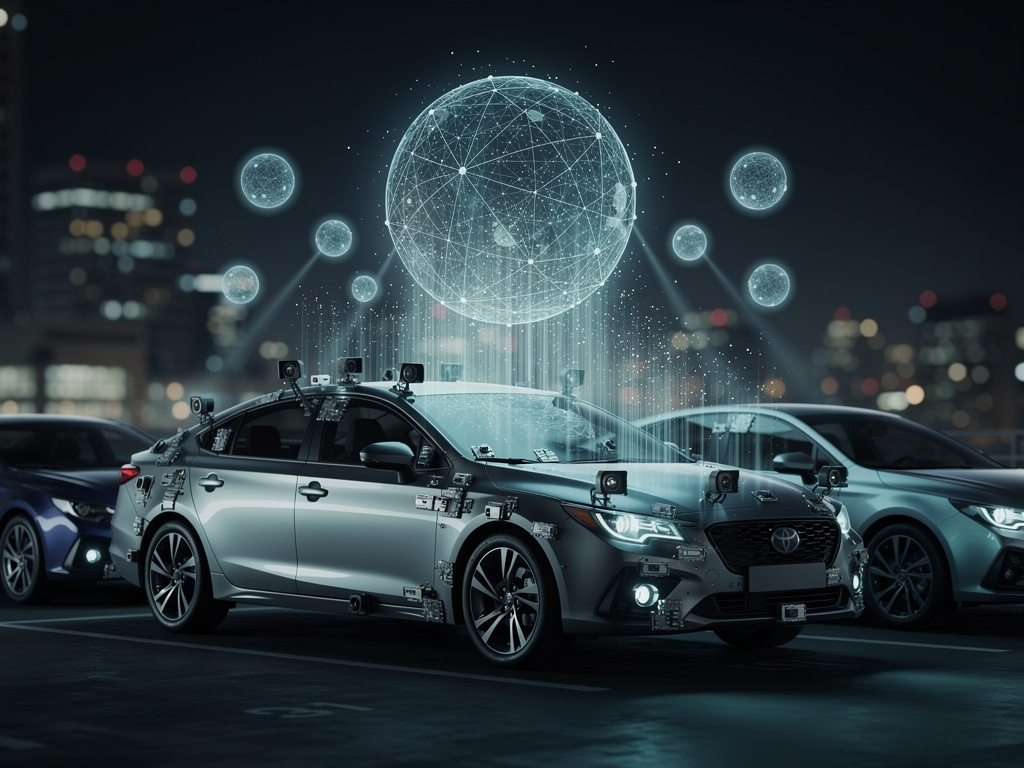
Your Car’s Hidden Eyes: The Surveillance Network Lurking in Modern Vehicles
In an era where connectivity defines daily life, the automobile has evolved from a simple mode of transport into a sophisticated data-gathering machine. Drivers might assume their vehicles are mere tools for getting from point A to B, but beneath the hood—and increasingly within the cabin—lies a web of sensors, cameras, and software that captures far more than just mileage. Recent investigations reveal how cars are quietly amassing personal information, from location data to driving habits, often without explicit consent. This shift raises profound questions about privacy in an age when vehicles double as rolling surveillance devices.
The extent of this data collection came into sharp focus through reports highlighting how automakers integrate tracking technologies into their products. For instance, features like built-in navigation systems and connected apps promise convenience but come at the cost of constant monitoring. One eye-opening example involves vehicles logging trips to everyday spots like coffee shops, using GPS to track patterns that could reveal intimate details about a driver’s routine. Such capabilities aren’t just theoretical; they’re embedded in millions of cars on the road today.
Privacy advocates argue that this level of intrusion mirrors broader societal trends toward pervasive monitoring, yet the automotive sector operates with relatively lax regulations compared to other industries. As cars become smarter, equipped with advanced driver-assistance systems (ADAS) and infotainment interfaces, the volume of data they generate explodes. This information often flows to third parties, including insurers and data brokers, who can repurpose it in ways that drivers never anticipated.
The Mechanics of Automotive Tracking
At the heart of modern car surveillance are onboard telematics systems, which collect data on everything from speed and braking patterns to seatbelt usage and even passenger conversations in some models. These systems rely on an array of sensors—accelerometers, gyroscopes, and microphones—that feed into a central computer. According to a report from the University of New South Wales, popular car brands in Australia are sharing personal data, sometimes selling it, without adequate transparency.
This isn’t limited to one region; similar practices occur globally. In the U.S., for example, connected vehicles transmit location data in real-time, enabling precise tracking of a driver’s whereabouts. A study published in Humanities and Social Sciences Communications explored public concerns over connected and automated vehicles (CAVs), finding that factors like age, income, and political ideology influence perceptions of safety, privacy, and data security risks.
Moreover, the integration of internet connectivity means cars can upload data to cloud servers operated by manufacturers or partners. This creates a continuous stream of information that can be analyzed for patterns, such as frequent visits to certain locations, which might infer habits like regular Starbucks runs. The MSN delved into this phenomenon, illustrating how such tracking turns innocuous drives into data points for potential exploitation.
Regulatory Gaps and Industry Practices
The lack of stringent oversight exacerbates these issues. Unlike smartphones, which have faced scrutiny over app permissions, cars often bury data collection clauses in lengthy user agreements that few read. Automakers justify this by citing safety benefits, such as crash reporting or stolen vehicle recovery, but critics point out that the scope far exceeds what’s necessary. A piece in Insurance Journal highlighted serious privacy flaws in internet-connected cars, urging for urgent reforms.
Government agencies are beginning to take notice, though action remains sporadic. The Electronic Frontier Foundation warned in a 2023 analysis about the impending privacy threats posed by self-driving cars, noting how autonomous features amplify data collection. More recently, Politico reported on Immigration and Customs Enforcement’s (ICE) interest in high-tech surveillance tools, including those accessing vehicle data, which lowers privacy guardrails and sparks concerns over misuse.
Social media platforms like X have amplified these worries, with users sharing anecdotes of unexpected data sharing. Posts describe cars recording driving behaviors and relaying them to insurers, potentially affecting premiums based on inferred risk levels. One recurring theme is the surprise discovery that vehicles equipped with subscription features, such as remote start or navigation, generate data trails eagerly sought by law enforcement, as detailed in records reviewed by WIRED.
Impacts on Consumers and Society
For individual drivers, the implications are personal and far-reaching. Imagine your car logging every errand, from pharmacy visits that might reveal health conditions to late-night drives indicating work schedules. This data, when aggregated, paints a detailed portrait of one’s life, vulnerable to breaches or unauthorized access. The ISACA Now Blog discussed related technologies like facial recognition in vehicles, raising ethical concerns amplified by AI advancements.
Beyond privacy erosion, there’s a societal dimension. Urban dwellers in areas with dense surveillance infrastructure face compounded risks, as car data intersects with public cameras and license plate readers. A recent Politico article from December 26, 2025, examined ICE’s expanding toolkit, which includes vehicle tracking, prompting questions about its true purposes.
On X, sentiments reflect growing unease, with users decrying cars as “surveillance cages” that monitor eye movements and geofence locations for control rather than safety. These discussions often reference warnings from figures like Dr. Michael Yeadon, emphasizing how modern vehicles quietly sell out drivers to data brokers.
Emerging Technologies and Future Risks
As vehicles advance toward full autonomy, the surveillance potential intensifies. Self-driving cars, reliant on vast sensor arrays, collect environmental data that includes pedestrians and other vehicles, inadvertently capturing bystander information. The Electronic Frontier Foundation’s piece underscored this, predicting a surge in privacy threats as these technologies proliferate in cities like San Francisco.
Subscription-based features add another layer, where opting into conveniences like heated seats or enhanced audio systems means consenting to ongoing data collection. WIRED’s investigation into police records showed how law enforcement leverages these features for surveillance, turning consumer choices into investigative tools.
Recent news highlights expansions in surveillance networks, such as Flock’s AI-powered cameras that track vehicles by license plates and unique fingerprints. A Carscoops report from four days ago revealed vulnerabilities in public safety cameras, exposing vehicle data to potential hacks.
Calls for Reform and Protective Measures
Industry insiders are pushing for change, advocating for clearer consent mechanisms and data minimization practices. Some suggest that automakers should allow users to opt out of non-essential tracking without losing core functionalities. The University of New South Wales report called for better disclosure of data sharing, a sentiment echoed in international contexts.
In response to public outcry, certain manufacturers have begun auditing their practices, though progress is uneven. For consumers, protective steps include reviewing vehicle privacy settings, using aftermarket devices to block data transmission, or choosing older, less connected models. However, as connectivity becomes standard, these options dwindle.
Looking ahead, legislative efforts could reshape this domain. Proposals in California, as covered by KQED, aim to balance public safety with civil liberties amid growing federal surveillance. The American Civil Liberties Union has critiqued aggressive expansions like Flock’s, warning in an August 2025 piece that such systems pave the way for authoritarian tracking.
Balancing Innovation with Privacy
The automotive industry’s drive toward innovation must contend with these privacy pitfalls. Features that enhance safety, like automatic emergency braking, rely on the same sensors that enable surveillance. Striking a balance requires transparent design and robust data protections from the outset.
Experts predict that without intervention, the fusion of AI and vehicle tech will deepen privacy invasions. The ISACA blog on facial recognition underscores the need for ethical frameworks in AI-driven systems, applicable to in-car cameras that monitor driver alertness but could also profile occupants.
Ultimately, as vehicles integrate more deeply into digital ecosystems, the conversation shifts from mere convenience to fundamental rights. Drivers, once masters of their machines, now navigate a world where every turn of the wheel feeds an invisible network of watchers. The challenge lies in reclaiming control, ensuring that progress doesn’t come at the expense of personal autonomy.


 WebProNews is an iEntry Publication