
Mirumi’s Bashful Gaze: How a Furry Robot is Redefining Companionship in Tech
In the bustling world of consumer robotics, where sleek assistants and voice-activated gadgets dominate, a new entrant is turning heads with its unassuming charm. Yukai Engineering, a Japanese firm known for quirky inventions, has launched Mirumi, a furry companion robot that mimics the shy curiosity of an infant. This pint-sized bot, now available for preorder on Kickstarter, doesn’t perform tasks or answer queries—it’s designed purely to evoke emotion through subtle movements and expressions. As of the latest updates, the campaign has already surpassed its funding goals, signaling strong interest in emotional robotics.
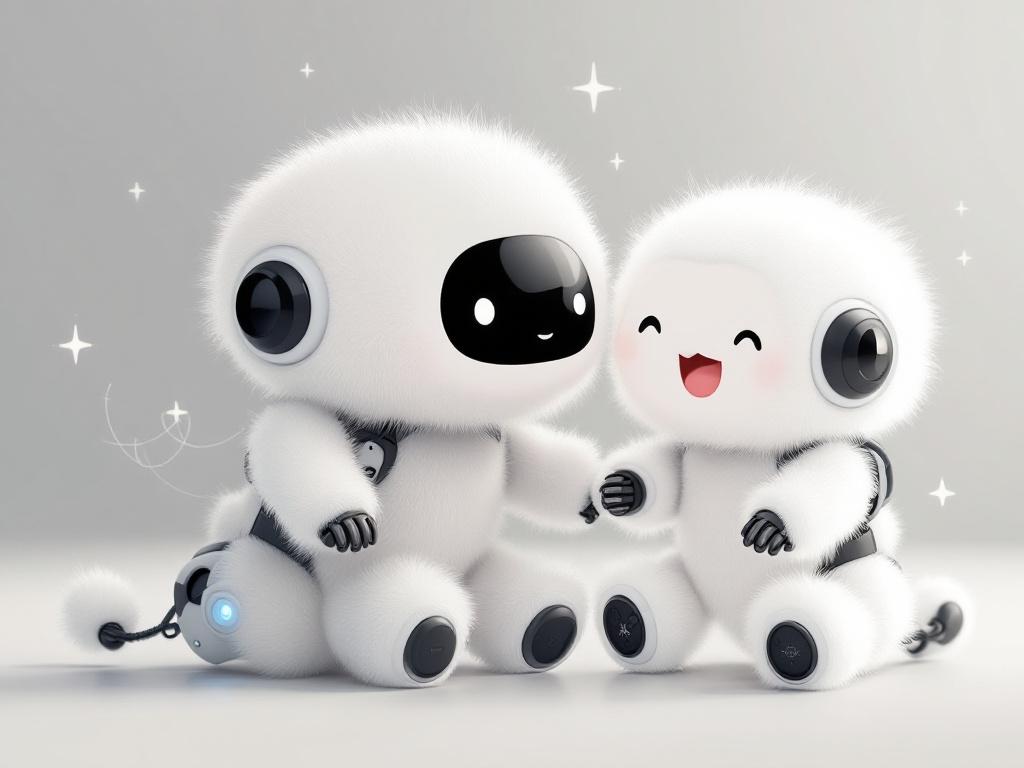
Mirumi’s design is deceptively simple: a fluffy, clip-on creature with googly eyes that clips onto bags, arms, or desks. It uses sensors to detect nearby people, responding with head tilts, nods, and bashful face-hiding gestures. According to reports from The Verge, the robot conveys emotions like curiosity, interest, and shyness through these basic actions, without any spoken words or complex AI. This minimalism sets it apart from more utilitarian robots, focusing instead on fostering a sense of connection.
The origins of Mirumi trace back to Yukai Engineering’s showcase at CES 2025, where it debuted as a prototype. Industry observers noted its immediate appeal, with attendees drawn to its endearing behaviors. Yukai, founded in 2011, has a history of creating “useless” yet delightful robots, such as the Qoobo, a headless robotic cat tail that wags for comfort. Mirumi builds on this legacy, aiming to provide a “baby-like emotional experience,” as described in coverage from Aibase.
The Tech Behind the Fluff
At its core, Mirumi relies on a combination of motion sensors and simple actuators. It detects human presence via infrared or proximity sensors, triggering randomized responses to simulate unpredictability, much like a real infant. The robot offers different modes, including a “comfort” setting where it gently looks around, and more interactive options for engaging bystanders. Details from Interesting Engineering highlight how its googly eyes and head movements create an illusion of personality, with the bot even “hiding” its face when startled.
Powering this is a rechargeable battery, promising hours of operation on a single charge, though exact specs remain under wraps in early previews. Yukai Engineering emphasizes eco-friendly materials, with the furry exterior made from soft, durable fabrics that invite touch. Unlike advanced AI companions that process natural language, Mirumi’s “brain” is rudimentary, focusing on reactive behaviors rather than learning algorithms. This approach reduces costs and complexity, making it accessible for mass production.
For industry insiders, Mirumi represents a pivot toward affective computing—a field where machines interpret and respond to human emotions. While giants like Boston Dynamics push boundaries with agile robots, Yukai targets the niche of emotional support tech. Comparisons to products like Paro, the therapeutic seal robot used in elder care, are inevitable, but Mirumi’s portability and affordability position it for everyday consumers.
Kickstarter Momentum and Market Strategy
The Kickstarter campaign, launched recently, set a modest goal but quickly amassed pledges exceeding expectations. Backers can secure early-bird units for around $150, with deliveries slated for mid-2026. Posts on X reflect buzzing excitement, with users sharing clips of similar prototypes and speculating on customizations. One viral thread praised its potential as a “portable mood booster,” echoing sentiments from tech enthusiasts who see it as a counterpoint to isolating digital devices.
Yukai’s strategy leverages crowdfunding to gauge demand and refine the product. As noted in TechCrunch, the company plans stretch goals for features like additional color options or enhanced sensors. This iterative model has worked for Yukai before; their Amagami Ham Ham nibbling toy raised significant funds through similar platforms. Insiders point out that by avoiding venture capital pitfalls, Yukai maintains creative control, allowing for whimsical designs that might not appeal to traditional investors.
Competitively, Mirumi enters a market crowded with pet-like robots from companies like Sony (with its Aibo dog) and emerging startups. However, its low price point and focus on passive companionship differentiate it. Analysts suggest this could tap into growing demand for mental health aids, especially post-pandemic, where loneliness has become a public health concern. Data from wellness reports indicate a surge in interest for non-intrusive emotional tools, positioning Mirumi as a timely innovation.
User Reactions and Social Buzz
Social media platforms, particularly X, are abuzz with Mirumi discussions. Users have posted about its CES debut, with one account describing it as “irresistible” and sharing preorder links. Another highlighted its clip-on design, imagining it as a bag accessory that sparks conversations in public. These organic endorsements underscore Yukai’s marketing savvy, relying on viral appeal rather than heavy advertising.
Critics, however, question its longevity—will the novelty wear off? Responses on X vary, with some dismissing it as a gimmick, while others defend its value in providing subtle joy. Drawing from Designboom, the robot’s interactions, like nodding at passersby, are engineered to delight without overwhelming, potentially extending its appeal beyond initial curiosity.
For parents and educators, Mirumi could serve as a tool for teaching empathy, simulating pet care without the responsibilities. Industry forums discuss its potential adaptations, such as versions for therapeutic settings, building on Yukai’s track record with comfort-oriented bots.
Innovation in Emotional Robotics
Delving deeper, Mirumi’s development involved ex-Amazon and Sony engineers, as mentioned in various tech briefs. Their expertise in consumer electronics ensures robust build quality, with prototypes enduring drop tests and prolonged use. This blend of whimsy and engineering rigor is Yukai’s hallmark, attracting talent disillusioned with corporate gigantism.
Economically, the robot’s production in Japan leverages local supply chains, minimizing delays seen in global manufacturing. Kickstarter backers receive transparency updates, fostering community involvement. Projections estimate that if funding continues at current rates, Yukai could scale to international markets by 2027, potentially partnering with retailers like Best Buy.
Ethically, Mirumi raises questions about anthropomorphism in tech. Does attributing emotions to machines blur lines between real and artificial relationships? Experts in human-robot interaction argue it enhances well-being, citing studies where similar devices reduced stress in users.
Future Prospects and Challenges
Looking ahead, Yukai hints at software updates via a companion app, allowing mode customizations. This could evolve Mirumi from a static toy to a semi-personalized companion, though it steers clear of data-heavy AI to avoid privacy concerns. Coverage from NewsBytes suggests expansions like voice recognition in future iterations, but for now, simplicity reigns.
Challenges include competition from cheaper knockoffs, especially in Asia’s gadget markets. Intellectual property protections will be key, as Yukai files patents for Mirumi’s unique gesture mechanics. Supply chain volatility, exacerbated by global events, could delay fulfillments, a risk acknowledged in campaign FAQs.
Ultimately, Mirumi embodies a broader shift toward tech that prioritizes human connection over functionality. As robotics advances, products like this challenge developers to innovate beyond utility, focusing on the intangible bonds that make life richer. For industry watchers, Yukai’s success with Mirumi could inspire a wave of emotion-centric devices, reshaping how we interact with machines in daily life.
Beyond the Prototype: Scaling Affection
Insiders at Yukai reveal that user feedback from CES influenced final tweaks, such as increasing the range of head movements for more expressive wiggles. This user-driven refinement process, detailed in posts on X, ensures the product resonates with its audience. Collaborations with designers have also led to aesthetic variations, appealing to diverse tastes from minimalist to vibrant.
Financially, the Kickstarter model democratizes access, allowing small firms like Yukai to compete with behemoths. Backers aren’t just funders; they’re early adopters shaping the narrative. Reports indicate over 60,000 in pledges within days, a testament to effective storytelling in tech launches.
In the grand scheme, Mirumi might not revolutionize robotics, but it humanizes it. By mimicking vulnerability, it invites users to project their own emotions, creating a feedback loop of affection. As one X user poetically noted, it’s “a fluffy reminder that sometimes, the simplest interactions spark the greatest joy.” For Yukai Engineering, this bashful bot could be the start of a cuddly empire, blending Japanese kawaii culture with cutting-edge tech to warm hearts worldwide.


 WebProNews is an iEntry Publication