
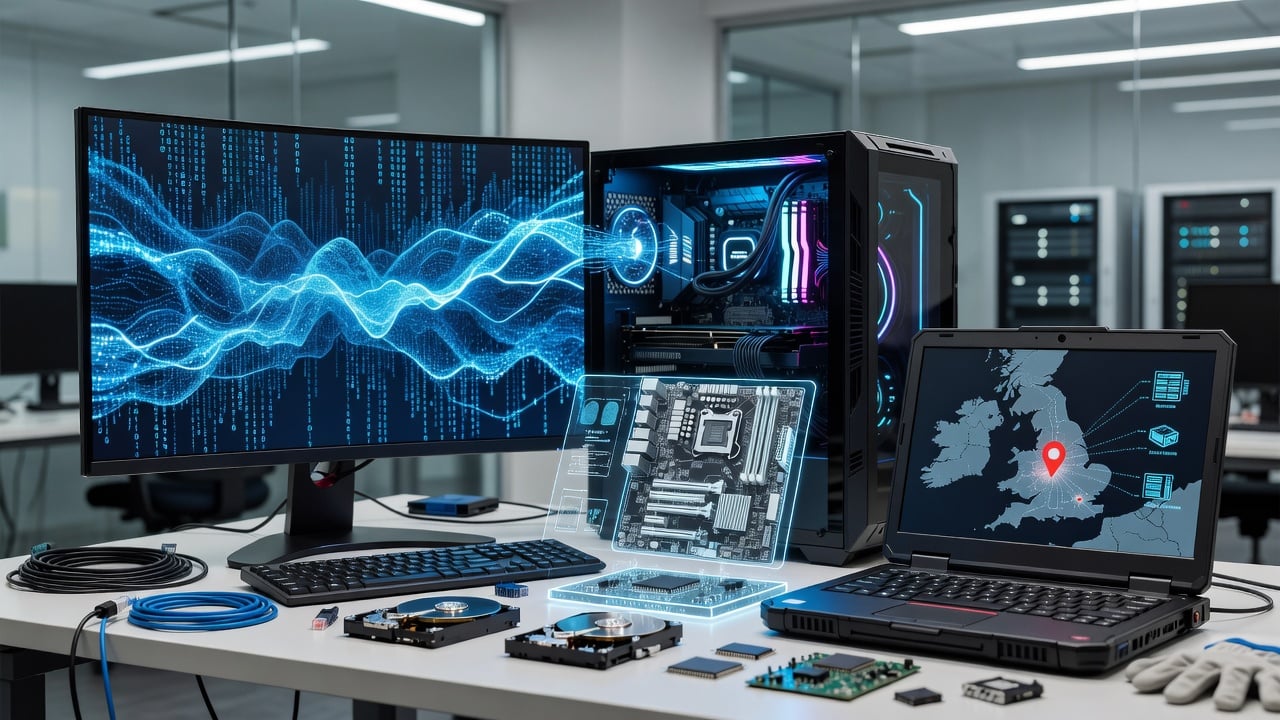
Microsoft has deployed an anti-piracy mechanism inside Windows that unexpectedly helped law enforcement identify a member of the notorious Scattered Spider cybercrime group. The tool, designed to combat software theft, recorded specific hardware and software details from a suspect’s machine and transmitted them to Redmond’s servers, creating a digital trail that investigators later followed.
The incident came to light through a detailed report published by The Register on July 7, 2026. According to court documents cited in the article, federal agents used telemetry data generated by Windows Genuine Advantage validation checks to link a physical device to an individual suspected of participating in social engineering attacks and ransomware campaigns. The suspect, whose name has not been released publicly due to ongoing proceedings, allegedly belonged to the group known for high-profile breaches including the 2023 MGM Resorts and Caesars Entertainment incidents.
Windows Genuine Advantage, or WGA, has operated for nearly two decades as Microsoft’s primary defense against unauthorized copies of its operating system. The system periodically verifies product keys and hardware fingerprints against Microsoft’s activation databases. When a machine fails these checks or triggers certain piracy-related flags, the software sends anonymized diagnostic packets containing details such as hard drive serial numbers, motherboard identifiers, CPU serial data, and network adapter MAC addresses. While Microsoft has always maintained that this information remains encrypted and limited in scope, the latest case demonstrates how even partial telemetry can prove decisive when combined with other intelligence sources.
The Scattered Spider collective, sometimes referred to as UNC3944 or Starfraud, specializes in vishing attacks that trick help desk personnel into resetting credentials for high-value targets. Members often pose as employees calling from internal numbers they have spoofed through prior reconnaissance. Once inside corporate networks, they deploy ransomware or sell access to initial access brokers. Their operations have caused hundreds of millions of dollars in damages across North America and Europe. Law enforcement agencies on both sides of the Atlantic have struggled to apprehend core members because many operate from jurisdictions with limited cooperation treaties and frequently rotate virtual private networks and burner devices.
In this particular investigation, agents from the FBI obtained a court order compelling Microsoft to release activation logs tied to a specific Windows installation flagged for suspected piracy. The logs revealed that the same hardware fingerprint had been used to activate multiple copies of Windows 11 Pro over a 14-month period. More importantly, the timestamps aligned precisely with known command-and-control activity from a virtual machine later traced to a data center in Eastern Europe. Cross-referencing the hardware identifiers with purchase records from a major online retailer allowed investigators to identify the buyer of the original motherboard and CPU bundle. That individual turned out to be a 24-year-old resident of a quiet suburb outside Manchester, England.
The discovery has sparked fresh debate about the balance between copyright protection and user privacy. Privacy advocates argue that anti-piracy systems should not generate persistent identifiers capable of surviving operating system reinstalls or virtual machine migrations. Microsoft counters that the data collected falls well within the boundaries established in its privacy statement and that such telemetry has helped disrupt several major cybercrime rings in recent years. Company spokespeople pointed out that activation servers process billions of validation requests annually and that only a tiny fraction ever result in law enforcement inquiries.
Technical experts who reviewed the court filings noted that the Windows activation client uses a combination of SHA-256 hashing and public-key encryption before transmitting data. However, the encrypted blobs still contain enough unique entropy that identical hardware configurations produce matching signatures. This fingerprinting method, originally intended to prevent casual copying of retail licenses, has proven more durable than many users expected. Even when suspects wipe drives and install fresh copies of Windows, the underlying silicon identifiers remain constant unless they physically swap out major components.
The case also highlights how traditional cybercrime groups have begun blending financial fraud with software piracy to fund their operations. According to the The Register report, the suspect maintained a side business selling cracked copies of enterprise software on underground forums. Each pirated copy included a custom loader that phoned home to a server the suspect controlled, creating yet another telemetry stream that investigators eventually correlated with the Windows activation data. This dual use of piracy both as revenue source and operational cover demonstrates increasing sophistication among mid-tier threat actors.
Security researchers have long warned that any software with privileged access to system information represents a potential vector for tracking. The Windows activation service runs with system-level permissions and can query hardware even when users have disabled other telemetry options through the Settings app. While Microsoft offers enterprise customers the ability to block activation traffic through firewall rules or Group Policy, most individual users and small businesses lack the technical knowledge to implement such restrictions. As a result, millions of machines continue to broadcast hardware details at regular intervals.
The successful use of WGA data in this prosecution may encourage other agencies to request similar information in future cases. Europol and the UK’s National Crime Agency have already signaled interest in exploring comparable partnerships with technology providers. However, legal scholars caution that such requests must clear significant evidentiary hurdles. Courts generally require probable cause and must demonstrate that the data was obtained through lawful means. In this instance, investigators first developed independent evidence of criminal activity before approaching Microsoft, which helped satisfy judicial scrutiny.
Beyond the immediate arrest, the episode raises questions about Microsoft’s future anti-piracy architecture. Windows 11 already incorporates stricter hardware requirements including TPM 2.0 chips that generate even more unique cryptographic signatures. Future versions could embed additional checks that scan for pirated applications or modified system files. Each new layer of verification increases the volume of data sent to Microsoft servers, expanding the potential footprint available to law enforcement with proper authorization.
Users concerned about unwanted tracking have several practical options. They can purchase genuine licenses through authorized channels, which dramatically reduces the likelihood of triggering validation alerts. For those running virtual machines or test systems, Microsoft offers evaluation editions that do not require activation for limited periods. Advanced users sometimes deploy custom hosts files to redirect activation endpoints to localhost, though this approach risks triggering additional warnings and may violate license agreements.
The Scattered Spider suspect remains in custody while prosecutors prepare additional charges related to wire fraud, computer intrusion, and money laundering. If convicted on all counts, he could face decades in prison. His arrest represents one of the first times that anti-piracy infrastructure has directly contributed to dismantling a ransomware-adjacent group, suggesting that software vendors may play an expanding role in cybercrime investigations going forward.
Microsoft has declined to comment on the specifics of the case beyond confirming that it complies with valid legal process. The company continues to refine its activation algorithms to better distinguish between legitimate multi-device users and those engaged in commercial software theft. These improvements include machine learning models that analyze activation patterns across geographic regions and detect anomalous behavior such as sudden spikes in key usage from single hardware profiles.
Industry observers expect similar collaborations between technology firms and law enforcement to become more common as cybercrime groups grow bolder. Cloud-based services already collect far more detailed usage data than desktop activation systems, and many SaaS providers maintain detailed logs that can be subpoenaed. The Windows case simply demonstrates that even legacy anti-piracy mechanisms retain surprising investigative value when examined through the right lens.
For ordinary computer users, the incident serves as a reminder that few actions on a modern operating system remain completely invisible to the vendor. Every product key, every hardware change, and every failed activation attempt creates records that persist in corporate databases for years. While most of that information stays isolated and never sees human eyes, exceptional cases involving serious criminal activity can bring those records into the open. The Manchester suspect learned this lesson the hard way when his decision to run unlicensed Windows on the same machine used for cybercrime finally caught up with him through an unlikely alliance between copyright protection code and federal investigators.
As both cyber threats and digital rights enforcement grow more intertwined, the technical mechanisms built into everyday software will likely face increasing scrutiny from all sides. Users, vendors, and authorities continue to seek workable boundaries that protect intellectual property without creating universal surveillance tools. The current Windows anti-piracy system, born in an earlier era of desktop computing, has now shown it can reach across borders and through layers of obfuscation to identify people who believed their digital tracks were well hidden. This capability, once revealed, changes calculations for both criminals and privacy-conscious individuals alike.


 WebProNews is an iEntry Publication