
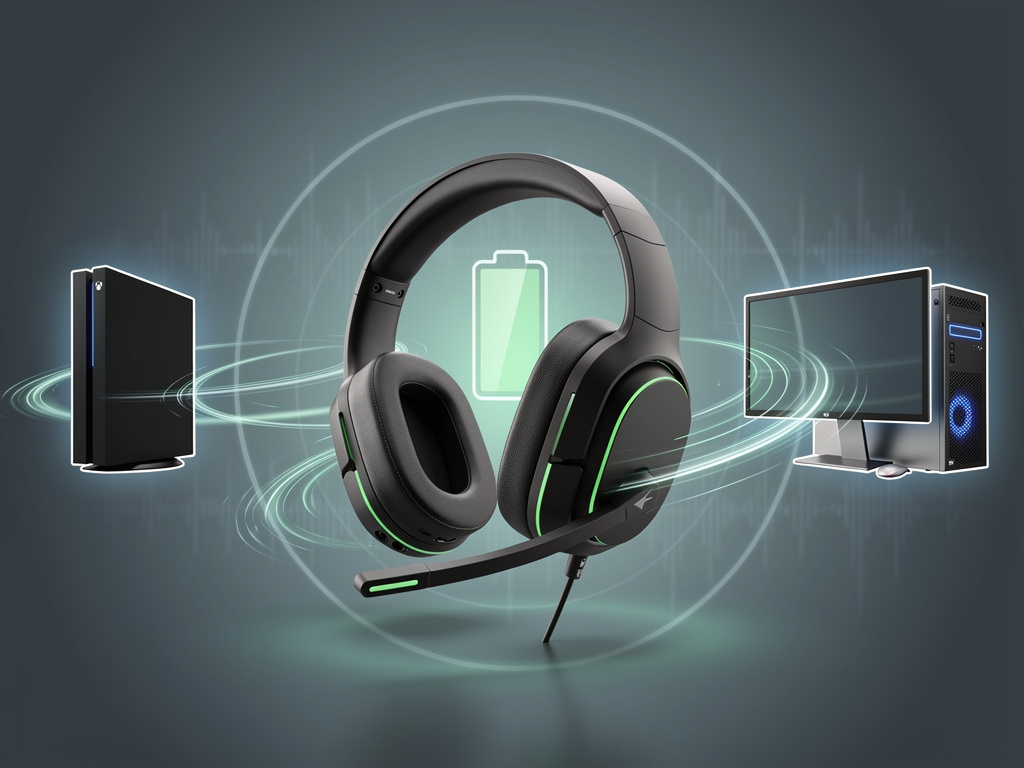
Unlocking Crystal-Clear Gaming: Microsoft’s Stealthy Upgrade to Xbox Headset Audio
In the fast-evolving world of gaming peripherals, Microsoft has quietly rolled out a significant enhancement to its Xbox Wireless Headset, introducing Bluetooth Low Energy (LE) support through a free firmware update. This move, announced in the company’s December 2025 update, targets the 2024 model of the headset, promising users lower latency, improved battery efficiency, and enhanced voice quality. For gamers who rely on seamless audio experiences across devices, this update represents a subtle yet impactful shift in how Microsoft integrates its hardware with broader ecosystems, particularly Windows 11.
The update stems from Microsoft’s ongoing efforts to refine its gaming accessories, building on the headset’s initial refresh in October 2024. That earlier iteration already boasted features like Dolby Atmos support without extra fees, an upgraded microphone with auto-mute and voice isolation, and Bluetooth 5.3 connectivity. Now, with Bluetooth LE Audio, users can expect a more responsive wireless experience, especially when pairing the headset with compatible devices. According to details shared in the official Xbox Wire post, the firmware is rolling out automatically, requiring no manual intervention beyond ensuring the headset is connected to an Xbox console or PC.
This isn’t just a minor tweak; it’s part of Microsoft’s broader strategy to align its products with emerging audio standards. Bluetooth LE Audio, which utilizes the LC3 codec, offers advantages over traditional Bluetooth by reducing power consumption and minimizing audio delays—critical for immersive gaming sessions where even milliseconds matter. Industry observers note that this positions the Xbox Wireless Headset as a more versatile tool, bridging console gaming with PC and mobile use.
Technical Breakdown of Bluetooth LE Enhancements
Diving deeper into the technical specifics, Bluetooth LE Audio introduces several key improvements. Latency, often a pain point in wireless audio, is significantly reduced, allowing for near-real-time sound transmission. This is particularly beneficial for competitive gaming, where synchronized audio cues can make the difference between victory and defeat. The update also enhances battery life, extending playtime by optimizing energy use during Bluetooth connections.
Voice chat quality sees a boost as well, with clearer transmissions that cut through background noise more effectively. Microsoft has collaborated closely with its Windows team to ensure compatibility, enabling features like shared audio on Windows 11 devices. As reported by The Verge, this free update adds Bluetooth LE to the headset, promising “lower latency, clearer chat, and more.”
Comparisons with competitors highlight Microsoft’s edge here. While rivals like Sony’s Pulse 3D headset focus on proprietary wireless tech, Microsoft’s inclusion of Bluetooth LE broadens appeal to non-Xbox users. This cross-platform flexibility could attract PC gamers who value multi-device compatibility, potentially expanding Microsoft’s market share in the audio accessory segment.
Market Implications and User Feedback
The timing of this update, just before the holiday season in late 2025, suggests a calculated push to boost headset sales. Priced at $109.99, the refreshed Xbox Wireless Headset remains competitively positioned against higher-end options from brands like SteelSeries or Razer. Early user reactions, gleaned from posts on X (formerly Twitter), indicate enthusiasm for the improved performance. One prominent gaming influencer noted the headset’s enhanced battery life as a game-changer for long sessions, echoing sentiments from community forums.
Reviews from tech outlets have been positive, emphasizing the update’s role in future-proofing the device. For instance, Windows Report highlights how the firmware improves latency and voice quality, making it ideal for both gaming and everyday calls. This aligns with Microsoft’s ecosystem approach, where hardware updates reinforce software integrations across Xbox, Windows, and mobile apps.
However, not all feedback is unanimous. Some users on X have reported minor glitches during the update process, such as temporary connectivity issues, though these appear resolved with restarts. Microsoft’s support channels have been proactive in addressing these, underscoring the company’s commitment to user satisfaction.
Integration with Windows 11 and Beyond
A standout feature of this update is its tight integration with Windows 11, where Bluetooth LE Audio unlocks advanced capabilities like audio sharing across multiple devices. This means users can stream game audio to the headset while simultaneously routing it to speakers or other accessories, a boon for content creators or multiplayer setups. The Engadget coverage details how this support is tailored for Windows 11, enhancing the headset’s utility in professional environments beyond gaming.
Looking at the bigger picture, this update reflects Microsoft’s investment in audio technology amid growing demand for high-fidelity wireless solutions. With the rise of cloud gaming and remote play, low-latency audio becomes essential. Analysts predict that such enhancements could drive adoption rates, especially as Bluetooth LE becomes a standard in more consumer electronics.
Competitive pressures also play a role. As Apple and Google advance their own audio ecosystems with features like spatial audio and low-energy protocols, Microsoft is ensuring its offerings don’t lag behind. This firmware push demonstrates agility in responding to market trends without requiring users to purchase new hardware.
Historical Context and Evolution of Xbox Audio
To appreciate this update fully, it’s worth tracing the evolution of Xbox audio peripherals. The original Xbox Wireless Headset launched in 2021 with solid reviews for its comfort and sound quality, but it faced criticism for battery life and latency in Bluetooth mode. The 2024 refresh addressed many of these, incorporating user feedback into design improvements.
Posts from X dating back to the 2024 announcement, such as those from gaming accounts like Klobrille and Wario64, praised the initial upgrades including Dolby Atmos and Bluetooth 5.3. Now, with LE Audio, Microsoft is closing the loop on persistent issues, making the headset a more robust choice for modern gamers.
Industry insiders point out that this isn’t Microsoft’s first foray into Bluetooth enhancements. A 2021 update to Xbox controllers introduced similar low-energy and low-latency features, setting a precedent for ongoing firmware support. This pattern suggests a long-term strategy of iterative improvements rather than frequent hardware overhauls.
Potential Challenges and Future Prospects
Despite the positives, challenges remain. Not all devices support Bluetooth LE Audio yet, which could limit the update’s immediate impact for some users. Older smartphones or PCs might not fully leverage the new codec, requiring ecosystem-wide adoption for maximum benefits. Microsoft has mitigated this by ensuring backward compatibility, but widespread implementation will depend on industry partners.
On the horizon, experts anticipate further integrations, perhaps with AI-driven audio enhancements or expanded spatial sound features. As virtual and augmented reality gain traction in gaming, low-latency wireless audio will be crucial. Microsoft’s move positions the Xbox Wireless Headset as a forward-looking device, ready for these advancements.
User adoption will be key. With the update being free and automatic, barriers to entry are low, potentially leading to higher satisfaction and loyalty among Xbox enthusiasts. Tech forums like those on Windows Forum have already buzzed with discussions, with threads detailing hands-on experiences post-update.
Ecosystem Synergies and Broader Industry Trends
This firmware isn’t isolated; it’s part of the larger December 2025 Xbox update, which also revamps the mobile app with new features like a store tab for easier purchases. Such synergies strengthen Microsoft’s gaming ecosystem, encouraging users to stay within its orbit. The Dr. Windows report in German underscores the global appeal, noting the update’s focus on essential improvements.
Broader trends in the audio market show a shift toward energy-efficient, high-performance wireless tech. With environmental concerns pushing for longer-lasting batteries, Bluetooth LE aligns with sustainability goals. For industry players, this update serves as a benchmark, pressuring competitors to match or exceed these capabilities.
In terms of economic impact, enhanced peripherals like this could bolster Microsoft’s revenue from accessories, a growing segment amid fluctuating console sales. Analysts estimate that gaming headsets alone represent a multibillion-dollar market, with wireless models capturing an increasing share.
Expert Insights and Practical Advice
Speaking with audio engineers, the consensus is that Bluetooth LE’s LC3 codec offers superior compression, maintaining quality while slashing data rates. This results in crisper highs and deeper lows, elevating the gaming audio experience. For insiders, this update exemplifies how firmware can extend product lifecycles, reducing electronic waste.
Practical tips for users include checking for the update via the Xbox Accessories app on PC or console. Once installed, testing latency in fast-paced games reveals the difference. Pairing with Windows 11 devices unlocks the full suite of features, making it worthwhile for hybrid gamers.
As Microsoft continues to innovate, this update signals a commitment to quality over quantity in hardware releases. It reinforces the Xbox brand’s reputation for reliable, evolving tech, appealing to both casual players and hardcore enthusiasts.
Reflections on Innovation in Gaming Peripherals
Ultimately, the Bluetooth LE update transforms the Xbox Wireless Headset from a solid contender to a leader in its class. By addressing core user needs without additional costs, Microsoft fosters goodwill and positions itself advantageously in a competitive arena.
Looking ahead, similar updates could extend to other accessories, creating a cohesive, high-performance lineup. This approach not only satisfies current users but also attracts new ones seeking value-driven tech.
In an era where audio fidelity defines immersion, Microsoft’s strategic enhancement ensures its headset remains relevant, blending cutting-edge tech with everyday usability. For industry watchers, it’s a reminder of how incremental changes can yield substantial gains.


 WebProNews is an iEntry Publication