
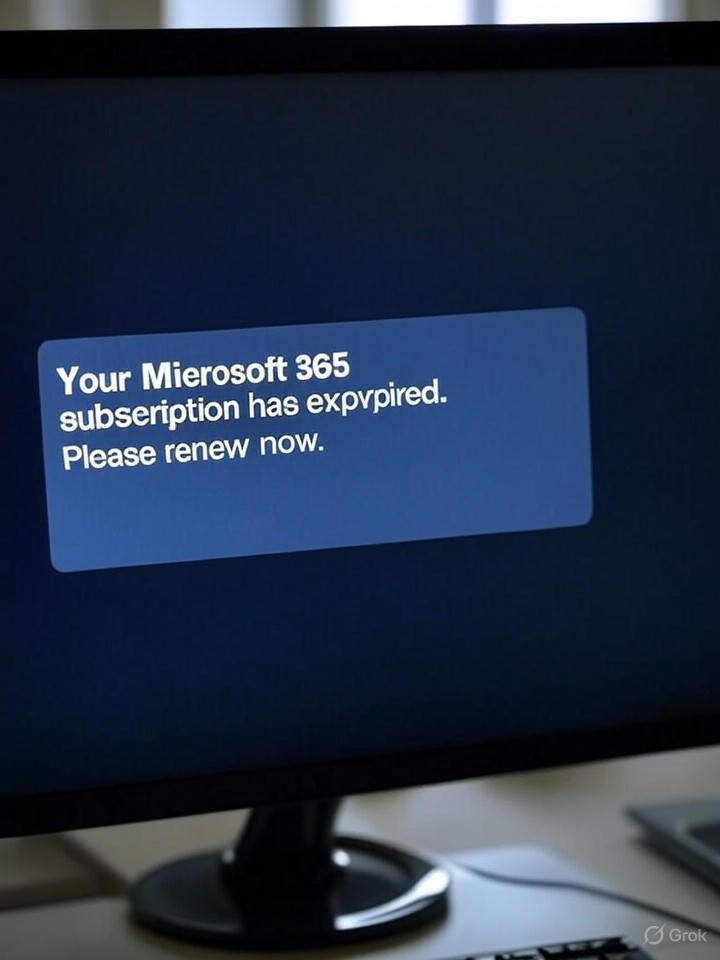
Microsoft’s latest move in the realm of subscription management has sparked debate among tech professionals and enterprise users, as the company experiments with aggressive tactics to encourage renewals for its Microsoft 365 service. In recent Windows 11 preview builds, users with expired or soon-to-expire subscriptions are greeted by a full-screen notification that interrupts the boot process, demanding attention before allowing access to the desktop. This “nag screen,” as it’s been dubbed, repurposes the system’s Second-Chance Out-of-Box Experience (SCOOBE) flow, traditionally used for setup and updates, into what many see as a high-pressure sales pitch.
The notification, which appears prominently after login, informs users that their Microsoft 365 account “needs attention” and prompts them to renew immediately. Options include renewing on the spot, dismissing the alert temporarily, or opting out of future reminders. However, critics argue this approach borders on intrusive, potentially disrupting workflows in business environments where uninterrupted access is crucial. According to a report from BetaNews, Microsoft is no stranger to such nudges, having previously employed similar tactics to promote upgrades or services like Edge browser adoption.
The Evolution of Microsoft’s Subscription Strategy
This development fits into a broader pattern of Microsoft’s push toward recurring revenue models, where Microsoft 365—encompassing tools like Word, Excel, Teams, and cloud storage—has become a cornerstone of its enterprise offerings. Industry insiders note that as subscription fatigue grows among consumers and businesses alike, companies like Microsoft are intensifying retention efforts. The full-screen prompt, currently in testing within Windows Insider builds, could roll out more widely if feedback is positive, though early reactions suggest otherwise.
Posts on X (formerly Twitter) from users in the Windows community highlight frustration, with some describing it as “nagware” that treats the operating system like a billboard. For instance, tech forums echo sentiments that this could alienate power users who value a seamless experience. A piece from Neowin details how the prompt blocks the desktop until addressed, raising concerns about productivity in high-stakes sectors like finance and healthcare.
User Backlash and Potential Mitigations
Enterprise administrators are particularly vocal, worrying that such interruptions could cascade into operational delays. Imagine a team of analysts booting up for a critical meeting only to be stalled by a renewal demand—this isn’t just annoying; it’s a potential liability. Microsoft Support pages, as referenced in multiple entries on their site, already guide users through subscription notices, but this escalated version amplifies the issue.
To mitigate backlash, experts suggest Microsoft could limit the prompt’s frequency, perhaps showing it only once post-expiration, or provide clearer opt-out paths. A news analysis from gHacks Tech News warns that repeated displays might drive users toward alternatives like open-source office suites, eroding Microsoft’s dominance.
Implications for the Tech Industry
Beyond immediate user experience, this tactic underscores a shift in how software giants monetize ecosystems. With Microsoft 365 generating billions in annual revenue, retaining subscribers is paramount, especially amid economic pressures where businesses scrutinize SaaS spending. However, forcing renewals through OS-level interruptions blurs the line between helpful reminders and coercive advertising.
Discussions on platforms like Reddit’s r/microsoft365 subreddit reveal anecdotal evidence of false positives, where paid-up users still encounter erroneous expiration notices, further fueling distrust. An article from Archyde emphasizes the need for Microsoft to balance revenue goals with user goodwill, suggesting that transparent communication and user-controlled notifications could prevent alienation.
Regulatory and Ethical Considerations
As this feature potentially expands, regulatory scrutiny may follow. In regions with strict consumer protection laws, such as the European Union, full-screen ads could invite investigations under data privacy or anti-competitive frameworks. Tech policy analysts point to past Microsoft controversies, like the Windows 10 upgrade campaigns, which drew fines and public ire.
Moreover, ethical questions arise: Should an operating system, ostensibly a neutral platform, be leveraged for upselling? Industry observers, drawing from forums like WindowsForum, argue that this repurposing of SCOOBE sets a precedent that other vendors might follow, potentially cluttering user interfaces across the board.
Looking Ahead: Alternatives and Adaptations
For users seeking to avoid such prompts, third-party tools or registry tweaks might offer workarounds, though they come with risks in enterprise settings. Microsoft’s own history shows adaptability; past feedback has led to toned-down notifications, as seen in responses to Edge promotion complaints.
Ultimately, this full-screen nag represents a calculated risk in Microsoft’s quest for subscription loyalty. While it may boost short-term renewals, long-term success hinges on respecting user autonomy. As one X post from a prominent tech influencer put it, treating customers like captives could backfire in an era where choice abounds. With testing ongoing, the final implementation will reveal whether Microsoft prioritizes persistence over polish.


 WebProNews is an iEntry Publication