
Laundry’s Hidden Harvest: How Microplastic Fibers Are Sabotaging Tomato Crops
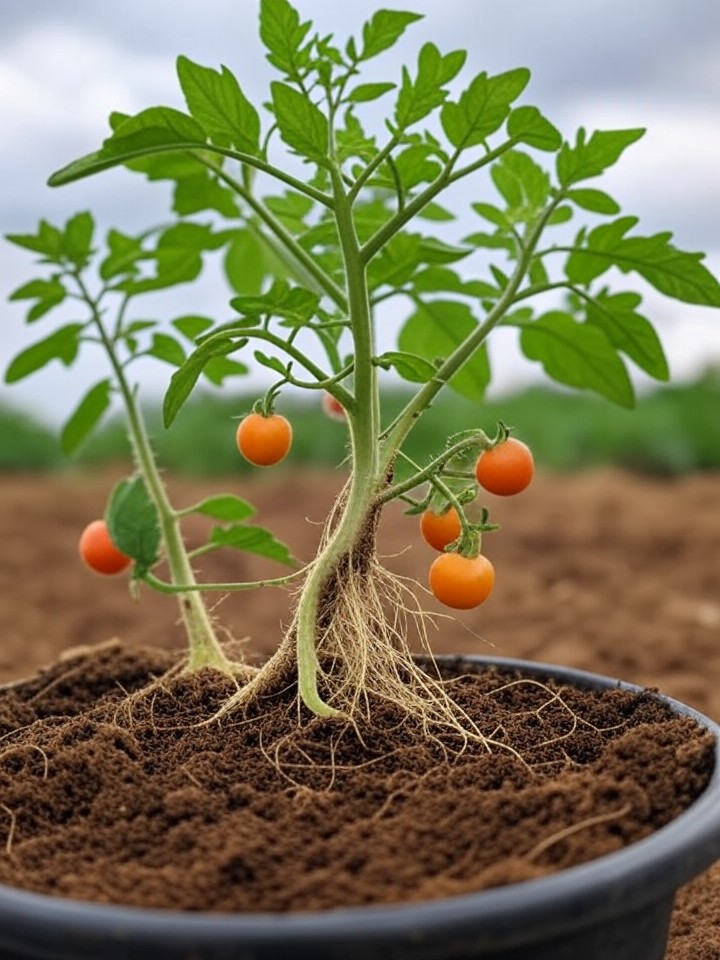
In the quiet fields where cherry tomatoes ripen under the sun, an invisible invader is at work, one that originates not from pests or pathogens but from the everyday churn of household washing machines. Recent research has unveiled a startling connection between the microplastic fibers shed from synthetic clothing during laundry cycles and the stunted growth of these popular fruits. A study conducted by scientists at Cornell University and the University of Toronto, detailed in a report covered by Slashdot, reveals that polyester microfibers accumulating in agricultural soils can significantly impair the development of cherry tomato plants. This finding adds a new layer to the growing concerns about microplastic pollution, shifting the focus from oceans to farmlands.
The process begins innocently enough in homes around the world. Each time synthetic fabrics like polyester, nylon, or acrylic are washed, they release thousands of tiny fibers into wastewater. These microplastics, often less than 5 millimeters in size, evade most treatment plants and make their way into rivers, soils, and eventually, agricultural lands through irrigation or sludge applications. The Cornell-University of Toronto study exposed cherry tomato plants to varying concentrations of these fibers in controlled soil environments, observing slower growth rates, reduced fruit yields, and altered root structures in contaminated samples. Researchers noted that plants in highly polluted soils produced tomatoes that were smaller and fewer in number, potentially signaling broader implications for food production.
This isn’t just a niche agricultural issue; it’s a symptom of a pervasive environmental challenge. Microplastics from laundry have been identified as a major contributor to terrestrial pollution, with estimates suggesting that a single wash can release up to 700,000 fibers. As these particles infiltrate soils, they disrupt microbial communities essential for plant health, according to additional insights from a 2022 review in Frontiers in Environmental Science. The study’s authors emphasize that while marine microplastics have dominated headlines, the terrestrial buildup—particularly in farming regions—could pose equal or greater risks to ecosystems and human food supplies.
Unraveling the Soil’s Silent Siege
Beyond tomatoes, the implications extend to a variety of crops, raising alarms for farmers and agribusiness leaders. The Washington Post recently highlighted this research, reporting that polyester microfibers slowed cherry tomato development by interfering with nutrient uptake and water absorption in roots. In their article, “Microplastics from washing clothes could be hurting your tomatoes,” experts warn that as synthetic clothing dominates global wardrobes, the volume of these pollutants entering farmlands will only increase. This could lead to decreased yields in staple crops, affecting everything from local produce markets to international supply chains.
Industry insiders in agriculture are particularly concerned about the long-term effects on soil health. Microplastics don’t biodegrade; instead, they persist, accumulating over seasons and potentially leaching harmful additives like dyes and flame retardants into the ground. A review published in PMC, accessible via “Microplastics in Agricultural Crops and Their Possible Impact on Farmers’ Health: A Review,” discusses how these particles can alter soil pH, enzyme activities, and microbial diversity, creating an inhospitable environment for plant roots. For tomato growers, who rely on healthy soil for robust harvests, this represents a stealthy threat that could erode profitability without visible warning signs.
Moreover, the human health angle cannot be ignored. As microplastics embed in soils, they may enter the food chain through crops like tomatoes, which are consumed raw or minimally processed. The World Economic Forum’s piece, “Microplastics: Are we facing a new health crisis – and what can be done about it?,” explores how these pollutants have been detected in human bodies, raising questions about chronic exposure through diet. Agricultural professionals must now consider not only yield impacts but also potential regulatory scrutiny on produce safety, as consumers demand transparency about contaminants in their food.
From Washer to Waterway: Tracing the Pollutant Path
To understand the full scope, it’s essential to trace the journey of these microfibers from laundry rooms to fields. Wastewater treatment facilities capture only a fraction of microplastics, with the rest discharged into natural water bodies used for irrigation. In regions with intensive farming, such as California’s Central Valley or Europe’s tomato-producing heartlands, this contaminated water directly affects crop soils. Recent posts on X from environmental advocates and publications like The Economist underscore the scale: one wash can unleash hundreds of thousands of fibers, many ending up in oceans but increasingly recognized in terrestrial systems.
Innovative solutions are emerging to stem this tide at the source. For instance, filters inspired by fish mouth structures have shown promise in capturing up to 99% of microplastics from washing machine effluent, as detailed in a ScienceAlert article titled “‘Fish Mouth’ Filter Removes 99% of Microplastics From Laundry Waste.” Researchers at the University of Bonn developed this biomimetic technology, which could be integrated into household appliances, potentially reducing the flow of pollutants to agricultural lands. Agribusiness leaders are watching these developments closely, as widespread adoption could mitigate risks to crop health.
However, challenges remain in implementation. Retrofitting existing washing machines or mandating filters in new models requires policy support, which varies by region. In the U.S., environmental groups like the Environmental Working Group (EWG) advocate for consumer awareness, as seen in their guide “Does Your Laundry Shed Microplastics?.” They recommend practical steps like using cold water washes and full loads to minimize fiber shedding, but for large-scale agriculture, systemic changes in wastewater management are crucial to prevent soil contamination.
Broader Agricultural Ramifications and Economic Echoes
The tomato study serves as a canary in the coal mine for wider agricultural vulnerabilities. Cherry tomatoes, with their shallow root systems, may be particularly susceptible, but similar effects have been observed in other crops like lettuce and wheat in preliminary research. A Newser report, “Fibers Shed by Your Clothes Could Cause Trouble for Plants,” notes that microplastics can act as vectors for pathogens, potentially amplifying disease risks in contaminated fields. This could force farmers to invest in soil remediation techniques, driving up costs in an already margin-thin industry.
Economically, the stakes are high. Global tomato production exceeds 180 million tons annually, supporting livelihoods from smallholders to multinational processors. If microplastic pollution leads to even modest yield reductions—say, 10-20% as suggested in some models—the ripple effects could include higher prices for consumers and instability in food markets. Insights from X posts by figures like Mario Nawfal highlight that synthetic textiles contribute 35% of all microplastics, far outpacing single-use items like straws, urging a reevaluation of clothing manufacturing practices.
For industry insiders, this necessitates a multifaceted response. Agrotech companies are exploring plastic-free alternatives for farm inputs, while apparel manufacturers face pressure to develop low-shed fabrics. The Cooldown’s article, “New study exposes troubling link between household laundry and looming global crisis: ‘An ever-evolving issue’,” emphasizes that researchers view this as an evolving problem, with calls for interdisciplinary collaboration between environmental scientists, farmers, and policymakers.
Innovations and Policy Pathways Ahead
Looking forward, mitigation strategies are gaining traction. Simple household adjustments, such as those outlined in SFGate’s guide “How to reduce microplastics from your laundry loads,” include using mesh laundry bags or opting for natural fibers like cotton. On a larger scale, advancements like the fish-inspired filters from Food & Wine’s coverage in “Does Fish Biology Hold the Key to Keeping Microplastics Out of Groundwater?” could revolutionize wastewater handling in both urban and rural settings.
Policy interventions are critical too. Advocacy from groups like the Women’s Institute, echoed in X posts by politicians such as Adrian Ramsay MP, pushes for mandatory fiber-capture filters on washing machines, which could slash environmental release by 87%. In Europe and parts of the U.S., legislation is being drafted to address microplastic pollution in agriculture, potentially including subsidies for soil testing and remediation.
Ultimately, this issue underscores the interconnectedness of consumer habits, industrial practices, and environmental health. As microplastics continue to infiltrate farmlands, the agricultural sector must adapt, blending innovation with regulation to safeguard crops like tomatoes. For insiders, staying ahead means investing in research, adopting sustainable technologies, and advocating for policies that bridge the gap between laundry rooms and harvest fields, ensuring that the fruits of our labor remain bountiful and safe.


 WebProNews is an iEntry Publication