
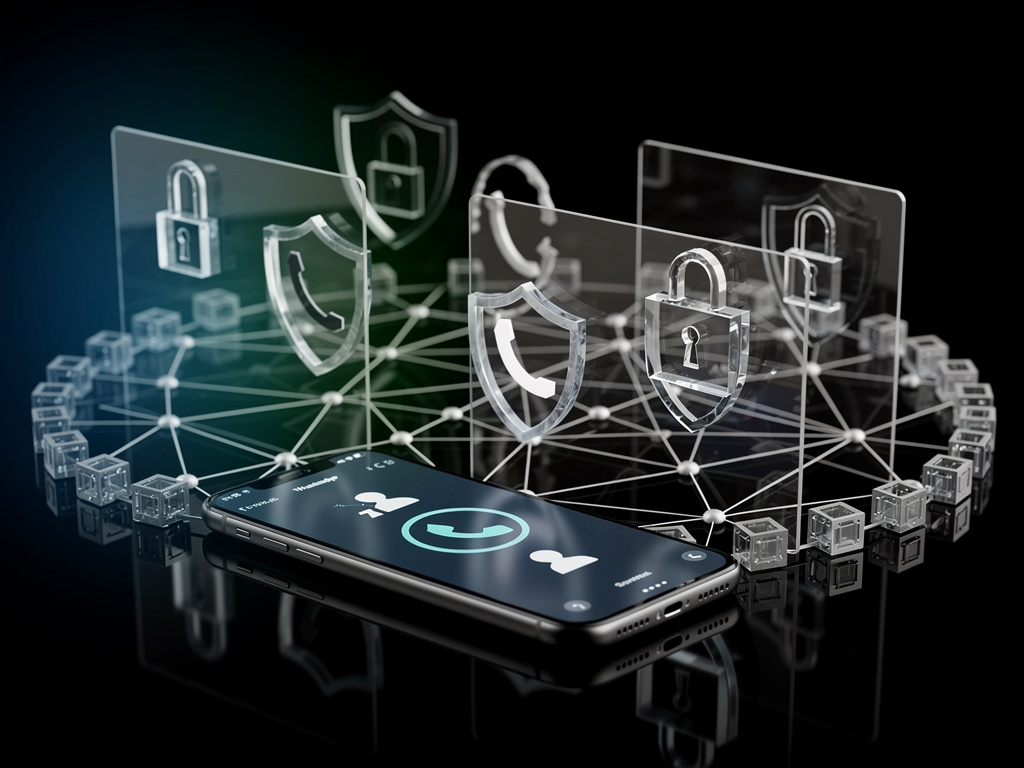
For more than a decade, the primary digital identifier for billions of global citizens has not been a social security number or an email address, but a telephone number attached to a WhatsApp account. This architecture, while instrumental in the platform’s viral growth across emerging markets and the West alike, has increasingly become a liability in an era of sophisticated social engineering and relentless automated spam. As Meta Platforms Inc. navigates the complexities of user privacy and regulatory scrutiny, the messaging giant is currently engineering a fundamental shift in how users connect, moving away from the rigid necessity of phone numbers toward a more opaque, username-centric model protected by advanced PIN protocols.
The latest beta releases of the application reveal a significant departure from WhatsApp’s historical open-directory philosophy. According to a recent report by Android Police, the platform is developing a sophisticated privacy setting that allows users to create a unique PIN associated with their username. This feature goes beyond simple identification; it acts as a cryptographic gatekeeper. Under this new system, even if a bad actor or a marketing bot acquires a user’s username, they cannot initiate a conversation without also knowing the specific four-digit PIN chosen by that user. This effectively bifurcates the user base into “trusted” contacts—those who have the PIN or existing chat history—and the rest of the digital world.
The Architectural Transition From Open Phone Graphs to Permission-Based Username Ecosystems Represents a Massive Paradigm Shift
This development marks a critical evolution in Meta’s defensive posture. Historically, WhatsApp’s reliance on phone numbers meant that privacy was binary: if someone had your number, they had a direct line to your inbox. The introduction of usernames was the first step in obfuscating personal contact details, but early iterations carried the risk of username enumeration—where bad actors simply guess common names to spam users. The PIN mechanism specifically addresses this vector. As noted by industry observers, this creates a “private” public profile, allowing professionals, journalists, and privacy-conscious individuals to share a contact method without exposing their cellular identity or opening themselves up to unsolicited harassment.
The mechanics of this feature are nuanced. The PIN is distinct from the two-step verification codes used to secure account login; it is strictly a message-filtering tool. Current beta iterations suggest that existing conversations will remain unaffected, ensuring that the friction is applied only to new, unknown initiators. This granular control aligns with broader industry trends observed by WABetaInfo, which tracks the platform’s development cycle. Their analysis indicates that users will have the option to require this PIN for anyone they haven’t messaged previously, effectively killing the viability of bulk-messaging campaigns that rely on scraping usernames.
Contextual Defense Mechanisms and the Rising Tide of Algorithmic Social Engineering Attacks Requiring New Safety Layers
While the Username PIN addresses the vector of direct contact, Meta is simultaneously fortifying the platform against the psychological manipulation often seen in group chat environments. The rise of “pig butchering” scams and crypto-fraud rings often begins with unsolicited group inclusions. To combat this, the company has begun rolling out context cards for unknown groups. These informational overlays provide users with immediate data points—such as the creation date of the group, the identity of the creator, and whether the user has been added by a non-contact—before they engage with any content. This “zero-trust” approach requires the user to proactively accept the risk before the messaging layer is fully exposed.
These safety layers are critical as the sophistication of spam evolves from simple text blasts to complex social engineering. By surfacing metadata about the sender and the group context, WhatsApp is attempting to bridge the gap between technical security and user awareness. As detailed in coverage by TechCrunch, these context cards are particularly vital for protecting vulnerable demographics who may not immediately recognize the signs of a fraudulent group invite. The integration of these features suggests a strategy where software does not just encrypt data, but actively assists the user in vetting the legitimacy of their correspondents.
The Intersection of Hardware-Level Security and Network Privacy Through IP Masking and Passkey Integration
Beyond the user interface, WhatsApp is aggressively hardening the network layer to protect user location data, a metric often exploited by stalkers and cybercriminals. A feature known as “Protect IP Address in Calls” relays voice and video packets through Meta’s servers rather than establishing a direct peer-to-peer connection. While this may introduce a negligible amount of latency, it essentially anonymizes the user’s location by masking their IP address from the caller. This is a feature long requested by high-risk users and brings WhatsApp’s privacy capabilities closer to niche, security-focused competitors.
Simultaneously, the authentication framework is moving away from the vulnerability of SMS-based one-time passwords, which are susceptible to SIM-swapping attacks. The integration of Passkeys allows users to authenticate using on-device biometrics—FaceID, TouchID, or Android biometrics—anchored to the hardware itself. According to The Verge, this move not only streamlines the login process but renders remote phishing attacks significantly more difficult, as the cryptographic key never leaves the user’s device. This holistic approach signals that Meta is treating the WhatsApp account as a high-value identity credential that warrants banking-grade security protocols.
Competitive Pressures from Signal and Telegram Are Forcing Meta to Abandon Its Legacy Reliance on Phone Numbers
The pivot to usernames and PINs is not occurring in a vacuum; it is a direct response to the feature sets of agile competitors like Telegram and Signal. Signal, often championed by privacy advocates, launched its own username implementation to allow users to hide their phone numbers, a feature that became a primary differentiator for the nonprofit foundation. By decoupling the account from the phone number, these platforms offered a level of anonymity that WhatsApp’s architecture previously could not support. The introduction of the PIN system indicates that Meta is not merely playing catch-up, but attempting to iterate on the concept by adding the anti-spam friction that purely open username systems often lack.
Furthermore, the scale at which WhatsApp operates—over two billion active users—presents unique challenges that smaller competitors do not face. A username feature on WhatsApp immediately creates a namespace rush and a potential vector for impersonation on a massive scale. The PIN system serves as a necessary brake on this velocity. As discussed in security analyses by Wired, the balance between discoverability and privacy is delicate. If users are too hard to find, the network effect diminishes; if they are too easy to find, the platform becomes a swamp of unsolicited marketing. WhatsApp’s tiered approach—usernames for discovery, PINs for access—attempts to thread this needle.
Regulatory Headwinds and the Complicated Intersection of Interoperability Requirements Under the Digital Markets Act
Looming over these product decisions is the formidable shadow of the European Union’s Digital Markets Act (DMA). The legislation designates Meta as a “gatekeeper,” mandating that its messaging services eventually become interoperable with third-party apps. This legal requirement creates a technical paradox: how to maintain end-to-end encryption and user privacy while opening the gates to external networks. The shift toward unique identifiers and usernames may be a preemptive structural reorganization to facilitate this. If WhatsApp users are to receive messages from Signal or Threema users, a standardized identity protocol that doesn’t rely solely on the phone number graph becomes operationally necessary.
The implications of the DMA are profound for the platform’s security model. If third-party services are allowed to plug into WhatsApp, the potential for spam originating from outside Meta’s walled garden increases exponentially. The PIN system for unknown contacts could serve as a critical firewall in an interoperable future. As reported by Reuters, Meta has been cautious about how it implements these mandates, citing security concerns. By placing the control in the hands of the user via a PIN, Meta effectively creates a user-managed permission layer that can filter out noise regardless of whether it originates from within WhatsApp or from a federated third-party service.
The Business Imperative of Trust and the Evolution of WhatsApp from a Messenger to a Super App Ecosystem
Ultimately, these security enhancements are foundational to Meta’s revenue ambitions. WhatsApp Business is the company’s primary monetization engine for the platform, and its success relies entirely on user trust. If the user inbox becomes flooded with spam, engagement drops, and the value of the channel for legitimate businesses evaporates. By empowering users to gatekeep their own inboxes with PINs and context cards, Meta is preserving the high-signal nature of the platform. This is essential as the company pushes features like in-app payments and customer service flows.
The transition suggests that the future of digital identity on the platform will be increasingly self-sovereign. Users will determine who can reach them, how they are identified, and what credentials are required to initiate contact. While the phone number remains the backend anchor for now, the frontend experience is rapidly moving toward a handle-based, permission-gated environment. This evolution transforms WhatsApp from a simple replacement for SMS into a complex, identity-verified social network where access is a privilege granted by the user, not a right determined by the possession of a phone number.


 WebProNews is an iEntry Publication