
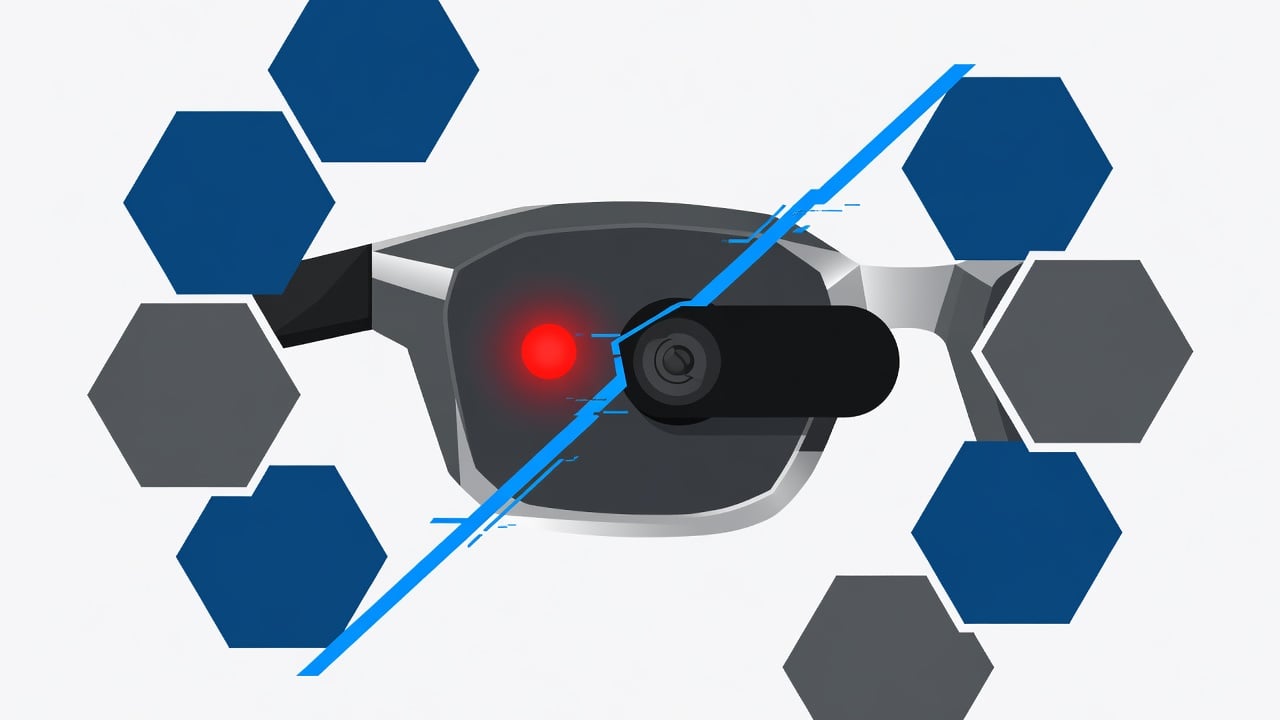
Meta just raised the stakes on wearable privacy. Its latest software update for Ray-Ban smart glasses will disable the camera entirely if the built-in recording indicator light is tampered with or destroyed. The change targets modders who drill out the LED or cover it to record without detection.
The Persistent Cat-and-Mouse Game Over Visibility
Earlier versions warned users when tape blocked the light. They issued prompts to uncover it. Yet determined users found workarounds. Online forums and guides detailed ways to bypass those alerts. Now the company escalates. Detection of physical interference or removal triggers a full camera shutdown.
Alex Himel, Meta’s vice president of wearables, acknowledged the shift weeks ago. He spoke to The Verge after the firm launched lower-priced Meta-branded glasses without the Ray-Ban name. Adoption had grown. So had reports of misuse. “We are aware of increasing misuse alongside wider adoption of the devices,” Himel said.
The update arrives amid broader scrutiny. Public backlash has mounted over the glasses’ potential for secret filming. Reports describe men approaching women on beaches or streets, recording reactions for online content. Some harass targets while wearing the frames. The small white LED that signals recording often fades in daylight. It stays hard to notice. Even wearers sometimes forget it’s active.
And the problems run deeper. Swedish outlets Svenska Dagbladet and Göteborgs-Posten revealed last spring that human contractors in Kenya review footage shared for AI training. They see living rooms, naked bodies, bathroom visits. Faces aren’t always blurred. One worker told reporters, “We see everything—from living rooms to naked bodies. Meta has that type of content in its databases.” Those details fueled a class-action lawsuit and investigations by regulators.
Texas Attorney General Ken Paxton opened a probe in May 2026. His office cited easy-to-hide LEDs and “always enabled” modes that skip the indicator. “These devices can easily invade personal privacy by collecting biometric data and recording Texans without their knowledge or consent,” the statement read. Similar actions followed in the UK. Advocacy groups, including the ACLU and 75 other organizations, sent an open letter to Mark Zuckerberg. They called reported facial recognition plans a “red line society must not cross.”
Meta quietly removed facial recognition code from its companion app after a Wired investigation exposed it. The company denied immediate consumer rollout. Yet the episode amplified fears. Courts have responded too. New York State will ban camera glasses from courtrooms later this month, Syracuse.com reported Tuesday. Philadelphia courts acted earlier. Cruise lines like MSC now restrict them in common areas.
But here’s the tension. Millions of pairs have sold. The glasses blend classic style with AI features, speakers, and that unobtrusive camera. Tap the frame. Video starts. Share instantly. Convenience sells. Privacy trade-offs follow. Modders pay to have LEDs removed. Guides on sites like 404 Media and Reddit threads show step-by-step disabling. One Reddit user in the r/RaybanMeta community called drilling “the only solution to remove the LED.”
Meta’s response pairs hardware signals with software enforcement. The new tamper detection builds on prior warnings. It doesn’t stop covering with transparent materials that still allow light emission. Detection focuses on physical damage or complete blockage that fools the system. Details remain limited. Company statements emphasize the update protects bystanders. Critics question whether it goes far enough.
Recent coverage highlights the stakes. A BBC investigation in May detailed how the devices enable “an invasion of privacy.” Reporters observed approaches in public spaces. Victims often never spot the faint glow. Popular Mechanics examined moderator access in March. “Meta sends footage recorded by its smart glasses to human moderators, so someone’s seeing everything they record,” the article noted.
Fortune covered the ensuing lawsuit. Plaintiffs accused Meta of false advertising. The glasses were marketed as “designed for privacy, controlled by you.” Yet footage routed to overseas reviewers. Sensitive documents. Intimate moments. One annotator described seeing someone undress without realizing the recording. “I don’t think they know, because if they knew they wouldn’t be recording,” the worker said.
So what changes now? The update rolls out first to second-generation models. It makes tampering costly. Lose the camera, lose the core function. Users who modify for stealth lose recording ability. That could deter some. Yet sophisticated bypasses may emerge. Transparent films. Software hacks. The contest continues.
Industry watchers see this as a test case. Other makers like Solos have launched camera-less alternatives, stressing privacy from the start. Meta pushes AI capabilities harder. Multimodal understanding. Real-time translation. Memory features. Each advance brings new data streams. Each data stream raises fresh questions about consent.
Public venues react with rules. Bans in sensitive spaces signal eroding trust. Yet sales climb. Kylie Jenner appeared in launch campaigns for the cheaper versions. Style meets tech. The glasses look like ordinary eyewear. That’s the point. And the problem.
Meta’s blog post on the update answers user questions. It stresses the LED’s role. It outlines responsible use guidelines. Show the light. Stop recording when asked. Power off in private areas. Whether guidelines plus a shutdown mechanism satisfy regulators remains unclear. Texas’s investigation continues. Lawsuits proceed.
The Verge article from July 7 captured the announcement’s timing. It followed months of mounting pressure. Himel’s comments revealed awareness of the trend. Modding videos on YouTube demonstrate drilling the frame. Light gone. Prompts ignored. Now those modifications brick the camera.
Short term, the policy shift protects bystanders from the worst covert use. Long term, it forces a conversation about wearable cameras in daily life. Do faint LEDs suffice? Should always-on modes exist? Can hardware and software together create meaningful safeguards?
Answers won’t come easily. Technology races ahead. Social norms lag. Courts, legislatures, and companies grope for balance. Meta’s latest move buys time. It doesn’t resolve the underlying conflict between innovation and individual privacy. That tension will define the next wave of smart glasses. Count on it.


 WebProNews is an iEntry Publication