
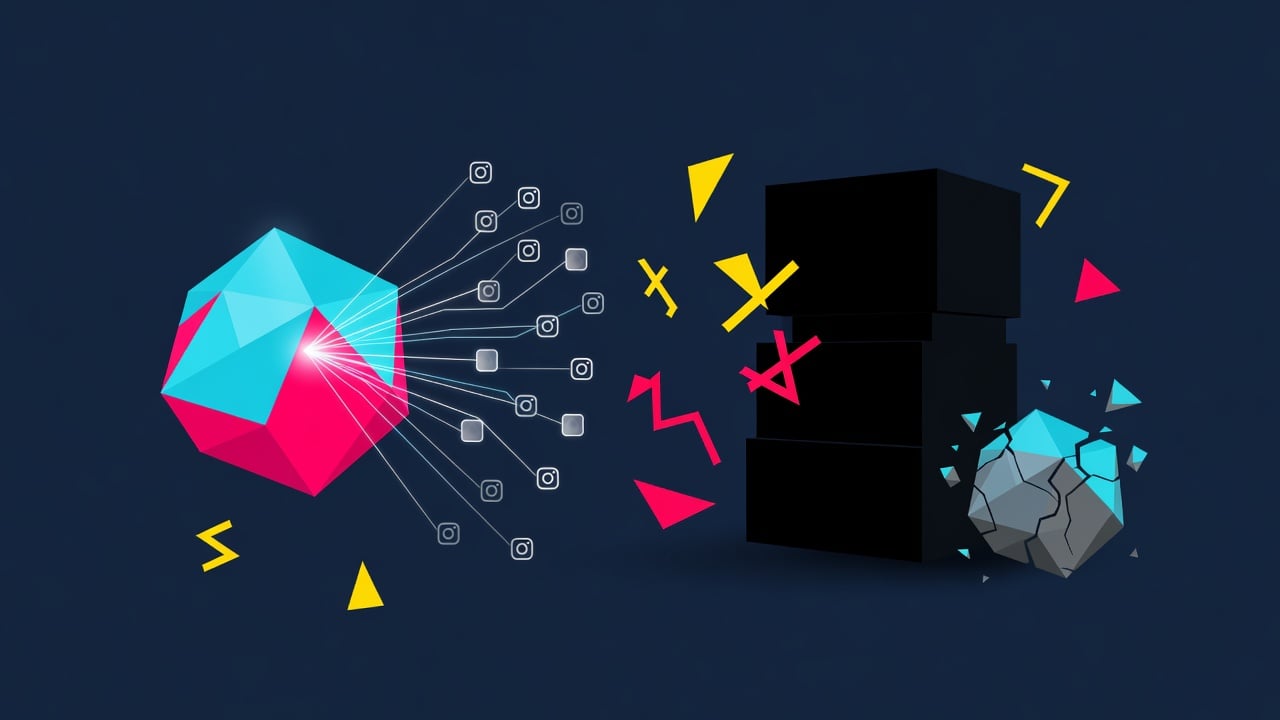
Meta rolled out Muse Image on July 7. The new model from Meta Superintelligence Labs generates and edits pictures with striking accuracy. It handles complex prompts. It pulls from multiple references. And it turns public Instagram profiles into raw material for anyone who types an @-mention.
But here’s the part that lands like a quiet bombshell. If your Instagram account sits on public settings, others can create images of you. No permission asked. No alert sent. You’re opted in from the start.
The Mechanics Behind the Likeness Grab
The process looks simple on the surface. A user opens Meta AI in Instagram, WhatsApp or the dedicated app. They type a prompt. They add @yourusername as a reference. Muse Image scans available public photos. It blends your features into whatever scene the prompter describes. The output carries an invisible Content Seal watermark. Yet that mark only identifies the image as AI-made. It does nothing to stop creation or notify the subject.
Meta’s own policy states the rule without apology. Instagram Help Center explains: “You will not be notified about content created using AI features at Meta.” The same page notes that public accounts on default settings allow “people may be able to create content with your Instagram content using AI features at Meta.” No push notification announced the change. No explicit consent screen appeared for millions of users.
And. This isn’t some distant beta test. Reports surfaced within hours of launch. TechCrunch detailed how the feature fits a pattern Meta has repeated before. TechCrunch pointed to the company’s 2021 decision to shut down facial recognition after lawsuits and regulatory heat. Now the same data practices return under a creative banner. Users retain some control through settings. But the default favors broad access.
Wired tested the rollout and found the updated language hadn’t reached every account by Tuesday afternoon. Wired described the fastest fix: switch the account to private via browser. The mobile app path requires more steps. Profile. Hamburger menu. Sharing and reuse. Toggle off both Posts and Reels under the section labeled “Allow people to use your content on Instagram and with AI features on Meta.” Even then, previously generated images stay in circulation. The opt-out blocks only future use.
Gizmodo captured the frustration in real time. Gizmodo noted the burden falls entirely on individuals to discover and disable the capability. Privacy advocates have flagged this approach for years. Meta collects vast stores of faces and contexts. Then it opens selective doors unless users actively close them.
The Digital Trends piece that first highlighted the default-on status pulled no punches. Digital Trends observed that a watermark alone fails to address deeper questions of likeness rights. Creators, influencers and ordinary users now compete with synthetic versions of themselves. Some versions will flatter. Others will distort. A few could damage reputations. None require the original person’s approval.
Yet Meta frames the release as pure advancement. In its announcement, the company called Muse Image its most advanced image generation model yet. It follows instructions faithfully. It edits with precision. It composes from multiple references. Early tests shared on X showed the system combining web search, text rendering and multi-stage editing. One post from AI researcher Alexandr Wang linked to research samples that demonstrated these strengths. But the same capabilities that impress engineers also amplify the privacy stakes.
Public reaction on X mixed excitement with alarm. Multiple users posted warnings within the first 24 hours. One account shared the WION News article that called the feature a pathway to deepfakes. WION emphasized that strangers can now @-mention any public profile and pull facial data without consent or notification. The story stressed the absence of proactive outreach from Meta. No mass email. No in-app banner. Just a revised help page that most users will never read.
This pattern echoes earlier Meta moves on AI training data. The company faced backlash in 2024 when it updated policies to scrape public posts for model improvement. European regulators pushed back. Some users formed opt-out campaigns. Now the focus shifts from training to direct generation. The data stays inside Meta’s systems. The outputs spread across chats, stories and external platforms.
So what happens when a brand, a troll or a marketer generates dozens of images featuring your face in fabricated scenarios? Current tools offer limited recourse. Reporting mechanisms exist for harassment or impersonation. But proving harm from a single AI image remains difficult. Watermarks help detect fakes after the fact. They don’t prevent the initial creation.
Meta insists users hold the reins. Settings exist. Private accounts limit exposure. The company shut down its old facial recognition system amid criticism. Yet the new feature revives similar data practices under the banner of creativity. Regulators in the EU and elsewhere have already signaled interest in biometric data and consent defaults. Lawsuits over likeness rights have multiplied as generative tools proliferate.
Industry watchers expect further scrutiny. The speed of deployment outpaced communication. The default setting maximized adoption at the expense of awareness. And the technology itself continues to improve. Muse Video sits in preview. Future updates could extend the same reference system to moving images. The stakes rise accordingly.
Users who want to act now face a clear but imperfect path. Make the account private. Disable the content reuse toggle. Monitor for unauthorized images in the wild. These steps reduce risk. They don’t eliminate it. Existing generations persist. And determined prompters can still reference cached or shared versions of public photos.
The launch reveals a deeper tension. Tech giants race to ship powerful media tools. They build on years of accumulated user data. They prioritize engagement and capability over exhaustive consent flows. The result feels both inevitable and unsettling. Powerful AI arrives. Your face helps power it. Whether you like it or not.
Meta has updated its help documentation. It has provided opt-out instructions. It has added technical safeguards like invisible watermarks. But the core choice remains: broad access by default, individual action required to withdraw. That choice will define the conversation in the weeks ahead. As more users discover the feature through articles or personal experience, pressure will build for clearer notifications, retroactive controls or stricter defaults.
One thing is certain. The images are already being made. Some will delight their subjects. Others will provoke outrage. A few may spark legal tests. All of them trace back to the same pool of public Instagram photos. And to a policy that assumed most people wouldn’t mind until they did.


 WebProNews is an iEntry Publication