
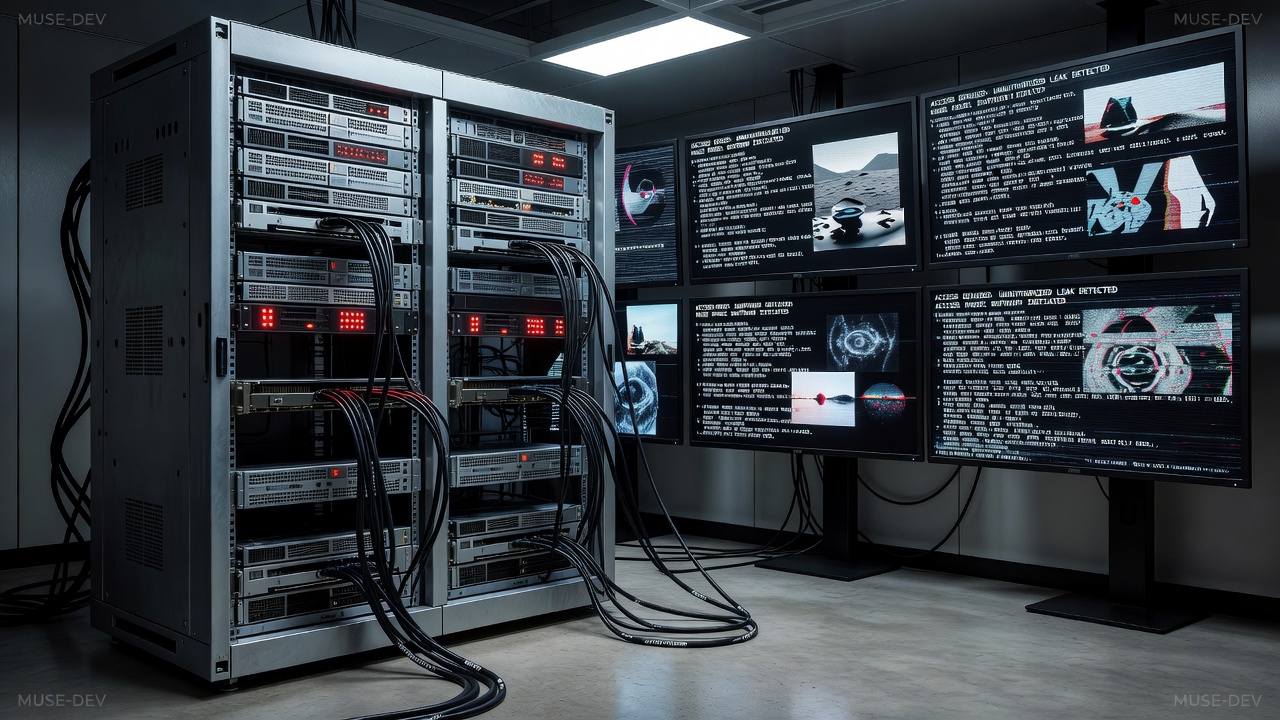
Meta has decided to shut down public access to its experimental Muse image generation model following an unauthorized leak of the system on Instagram. The company confirmed the deactivation after users began sharing AI-created images generated through what appeared to be an internal version of the tool, prompting Meta to pull the plug on open experimentation.
The incident highlights ongoing tensions within the technology industry regarding controlled releases of powerful creative artificial intelligence systems. Muse, which Meta developed as part of its research into multimodal AI, allows users to create detailed images from text descriptions and can also transform existing photos according to new instructions. Unlike some consumer-facing tools, the model was intended for limited testing among researchers and select partners rather than widespread public availability.
According to details shared in the original Engadget report, the leak occurred when someone posted examples created with Muse directly to Instagram, complete with watermarks that identified the images as originating from Meta’s internal systems. The post quickly gained attention in communities interested in generative AI, leading others to seek out ways to access the model themselves. Within hours, multiple accounts began circulating what they claimed were working prompts and outputs from the supposedly private tool.
This development comes at a time when several major technology companies are carefully calibrating how and when to release increasingly capable image generation systems. OpenAI’s DALL-E series, Google’s Imagen and related tools, and Stability AI’s Stable Diffusion have all faced various forms of public scrutiny regarding their training data, potential for misuse, and effects on creative professionals. Meta’s approach with Muse appeared designed to avoid some of these controversies by maintaining tighter control over distribution.
The decision to deactivate public-facing instances of Muse reflects the challenges companies face when experimental technology escapes controlled environments. Once images began circulating widely on Instagram, complete with distinctive visual characteristics that made their origin clear, Meta apparently determined that continued availability would undermine its research protocols and expose the company to risks around intellectual property and content moderation.
Industry observers have pointed out that such leaks often stem from employees or contractors with access to preview versions of new tools. In many organizations, researchers receive early access to demonstrate capabilities to leadership or gather internal feedback before broader deployment decisions are made. When these preview systems include shareable web interfaces or API endpoints, the temptation to showcase impressive results on social media can prove difficult to resist.
Meta has not provided extensive comments on the specific circumstances of the Muse leak, but the company’s history with artificial intelligence research offers some context. The organization has maintained a dual track in AI development, pursuing both open source initiatives like the Llama language models and more guarded approaches to certain multimodal systems. This balanced strategy attempts to advance scientific understanding while protecting competitive advantages and managing potential societal impacts.
The Muse model itself represents a significant technical achievement in text-to-image generation. Early examples shared before the deactivation showed strong performance in following complex creative directions, maintaining consistent artistic styles, and producing coherent compositions across varied subject matter. Some outputs demonstrated particular skill with photorealistic rendering, while others excelled at stylized illustrations that matched specific aesthetic references.
For artists and designers who gained temporary access through the leak, the tool offered capabilities that could accelerate certain aspects of visual creation. The ability to iterate quickly on concepts through natural language adjustments provides a different workflow than traditional digital art software. However, many professional creators have expressed concern about the broader implications of such systems, particularly regarding how they might affect demand for human-generated artwork or inadvertently replicate distinctive styles without permission.
The Instagram post that triggered the deactivation has since been removed, but screenshots and discussions continue to appear across forums dedicated to AI development. Some users have attempted to recreate similar results using openly available models, though most acknowledge that Muse appeared to possess certain refinements not yet matched by public alternatives. These differences likely stem from Meta’s substantial computing resources and access to diverse training datasets accumulated across its various platforms.
Questions about training data remain central to debates surrounding all large generative models. Companies including Meta have faced legal challenges regarding the use of copyrighted material in developing AI systems. While some organizations have moved toward licensing agreements with content creators, others continue to rely on publicly available internet data, creating ongoing uncertainty about the legal standing of generated outputs.
Meta’s rapid response to the Muse situation contrasts with how some other companies have handled similar incidents. The quick deactivation suggests an organizational preference for maintaining strict boundaries around experimental technology, at least until clearer policies and safeguards can be established. This approach may disappoint enthusiasts eager to experiment with the latest capabilities, but it aligns with growing industry recognition that uncontrolled proliferation of powerful AI tools carries substantial risks.
Looking ahead, the incident will likely influence how Meta and its competitors structure future research releases. Options under consideration across the industry include more sophisticated access controls, such as time-limited demonstrations, watermarked outputs that cannot be easily removed, and invitation-only beta programs with contractual obligations. Some companies are exploring hybrid approaches that combine open research papers with restricted model access to allow scientific scrutiny while limiting commercial exploitation.
The broader field of generative AI continues to advance at a remarkable pace. New techniques for improving image quality, reducing unwanted artifacts, and increasing user control appear regularly in academic conferences and preprint servers. Models like Muse build upon foundational work in diffusion models, transformer architectures, and contrastive learning methods that have transformed what machines can create from simple descriptions.
For Meta specifically, the Muse episode represents one data point in a longer pattern of managing public perception around its artificial intelligence efforts. The company has invested heavily in AI across content recommendation, advertising targeting, and virtual reality applications. Public trust in these systems remains variable, particularly following past controversies regarding data handling and algorithmic bias on its social platforms.
Creative professionals find themselves at the center of these technological shifts. Some have begun incorporating AI tools into their processes as collaborative assistants rather than replacements, using generated images as starting points for further refinement. Others maintain stricter boundaries, arguing that the economic pressures created by freely available high-quality generation could diminish opportunities for human artists.
Regulatory attention to generative AI has increased globally. Policymakers in multiple jurisdictions are examining questions of transparency, accountability, and appropriate use cases for synthetic media. Requirements for clear labeling of AI-generated content have gained traction, as have discussions about potential licensing frameworks that would compensate creators whose work helps train these systems.
The deactivation of Muse will not halt progress in text-to-image technology. Other models continue to improve, and determined users can often find ways to access capabilities through various channels. However, the episode serves as a reminder that technology companies retain significant control over how their most advanced creations reach the public, even in an era of widespread information sharing.
As Meta determines next steps for its image generation research, the company will likely weigh multiple factors including technical readiness, safety considerations, competitive positioning, and potential for positive applications. Responsible development in this space requires balancing innovation with protection against misuse, whether for creating deceptive content, violating intellectual property, or disrupting creative labor markets.
The Instagram leak and subsequent shutdown also illustrate how social media itself has become integral to the AI development cycle. Platforms like Instagram function as both distribution channels for new technologies and early warning systems when controls fail. The speed with which information spreads on these networks forces companies to make rapid decisions about experimental tools that might previously have remained in laboratories for much longer.
Users who encountered Muse during its brief public window described a system that combined strong prompt adherence with visually appealing results. The model’s ability to handle detailed scene descriptions while maintaining anatomical accuracy and lighting consistency stood out to many testers. These capabilities suggest Meta has made meaningful advances in the underlying architecture and training procedures.
Yet technical prowess alone does not determine successful product deployment. Questions about content filtering, bias mitigation, and appropriate use cases require careful consideration before widespread release. The decision to deactivate rather than attempt damage control through updates indicates that Meta prioritized containment over continued experimentation in this instance.
The situation echoes earlier moments in technology history when promising innovations escaped laboratories before their creators felt ready. From early computer viruses to peer-to-peer file sharing protocols, the tension between control and openness has shaped how new capabilities affect society. Generative AI appears poised to follow similar patterns, with each leak or premature release accelerating both adoption and calls for governance.
For now, Muse returns to internal development at Meta. The company will presumably continue refining the model while developing clearer strategies for eventual release, whether through research papers, limited APIs, or integrated features within existing products like Instagram or WhatsApp. The experience will inform not only technical decisions but also how Meta communicates about its artificial intelligence work to users, regulators, and the creative community.
As generative technologies become more sophisticated, the mechanisms for introducing them to the world grow increasingly complex. Companies must balance competitive pressures, ethical responsibilities, user demand, and regulatory expectations. The brief appearance and swift disappearance of Muse on Instagram captures many of these dynamics in a single incident, offering a window into the challenges shaping the future of AI-assisted creativity.


 WebProNews is an iEntry Publication